Hakone
Our train ride to Hakone was the longest, with two connections and 4.5 hours of scenery that included a lot of tunnels. Then suddenly….out of the clear, blue sky…Mt. Fuji!
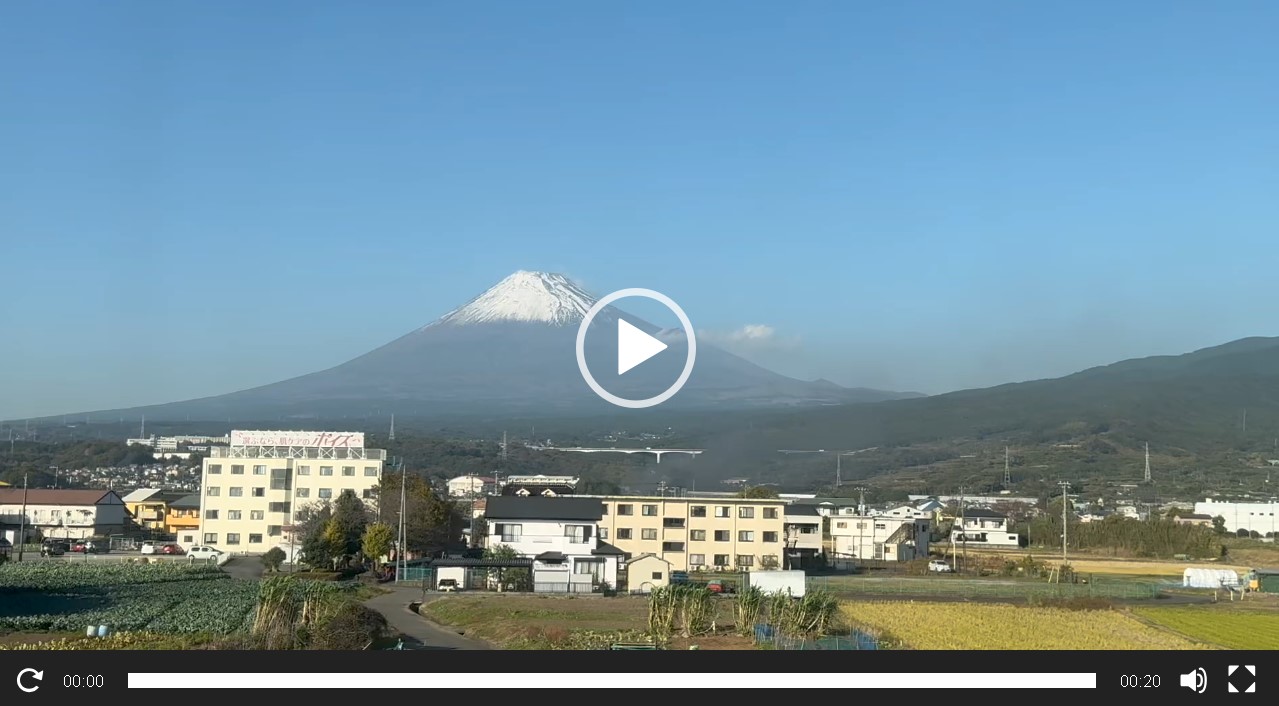
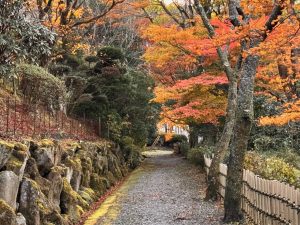
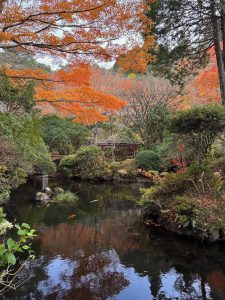
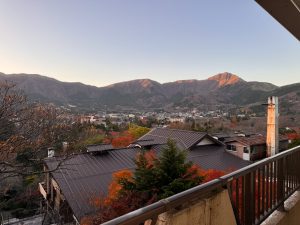
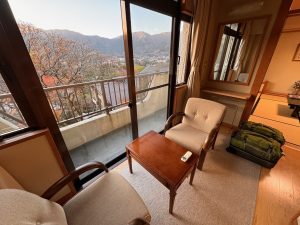
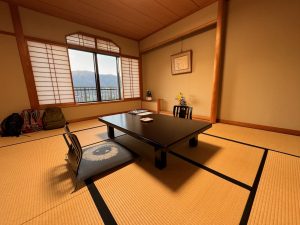
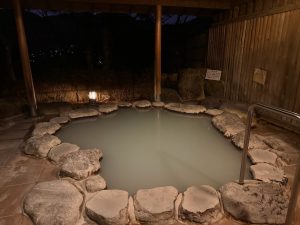
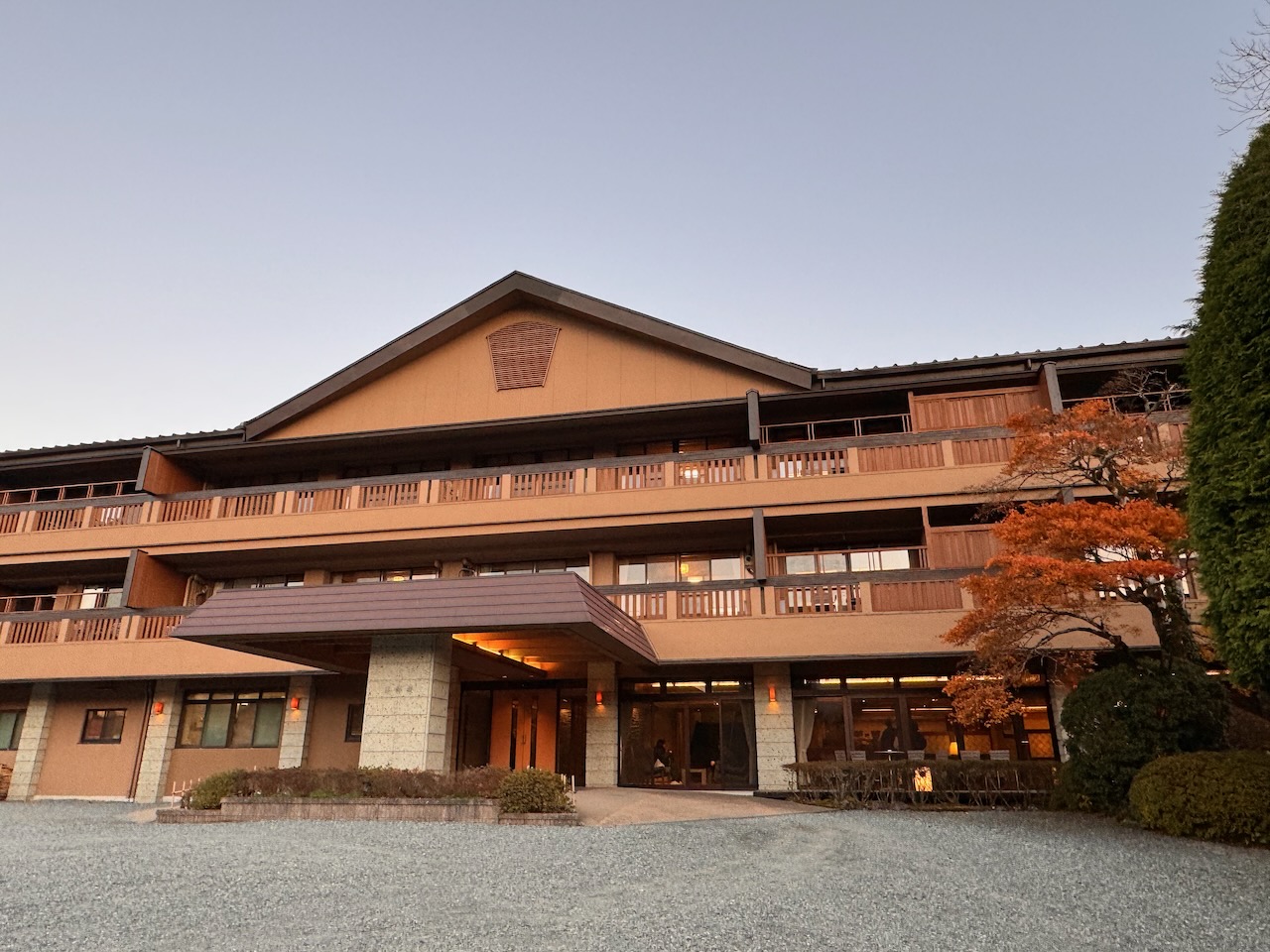
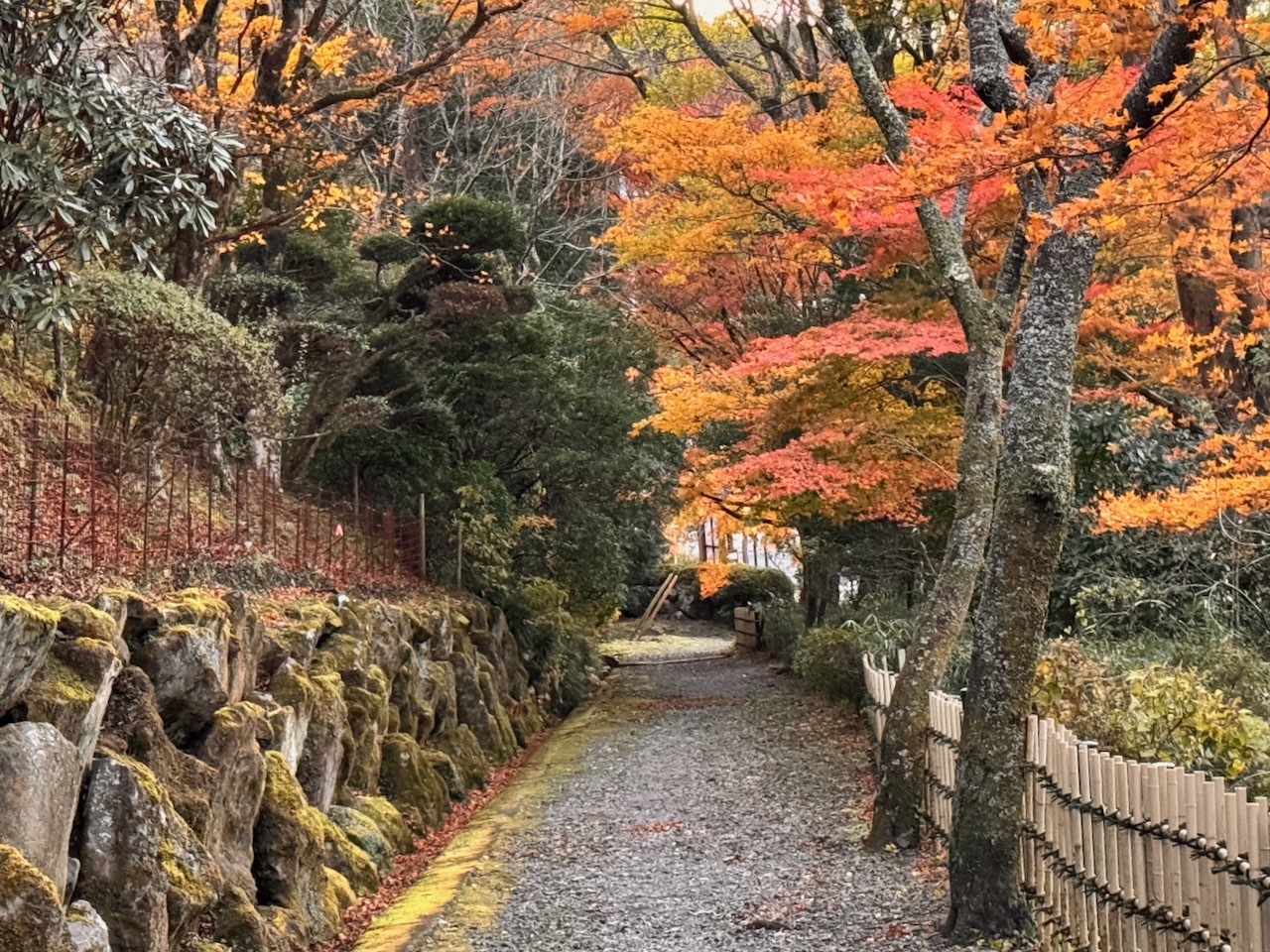
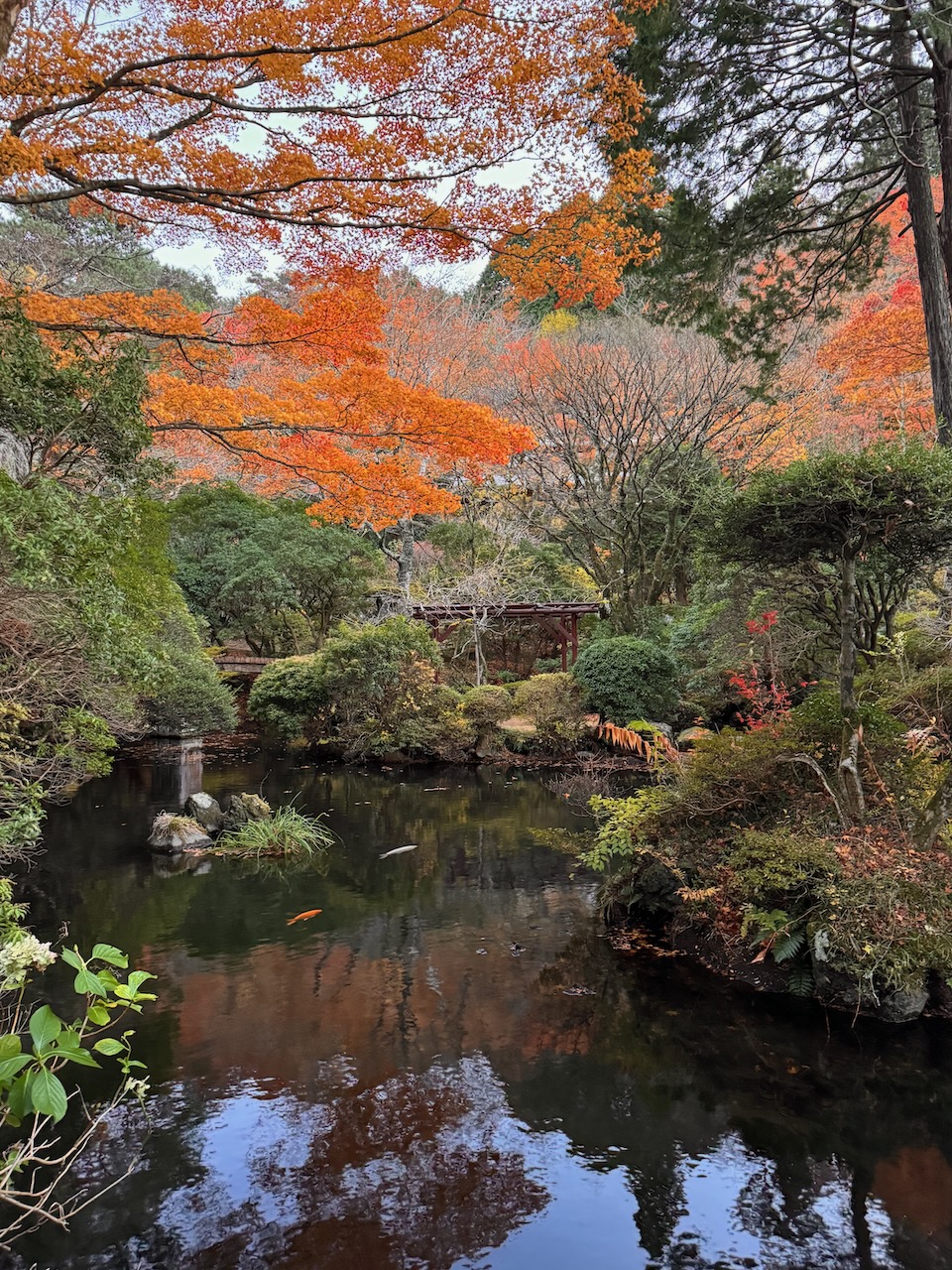
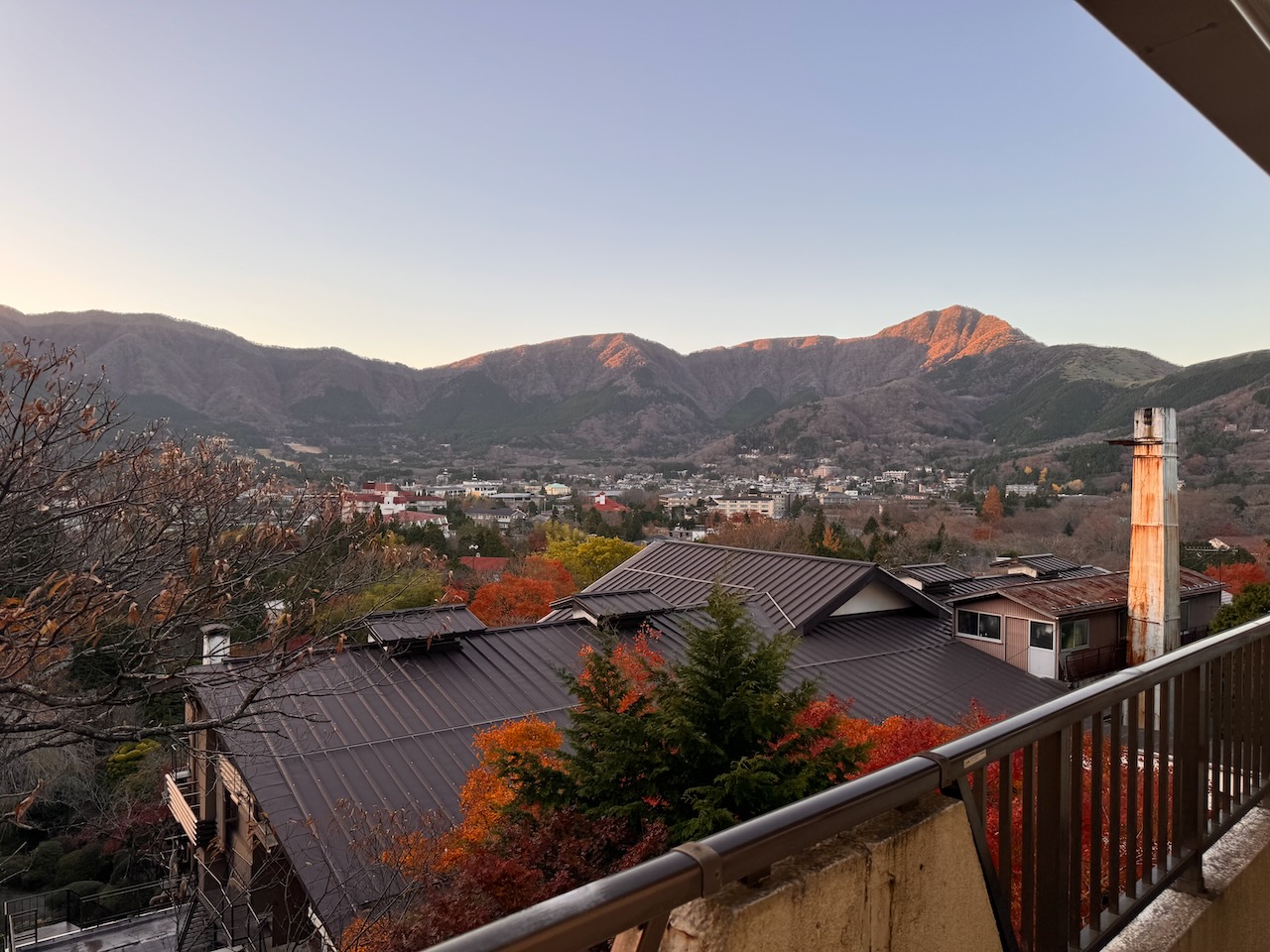
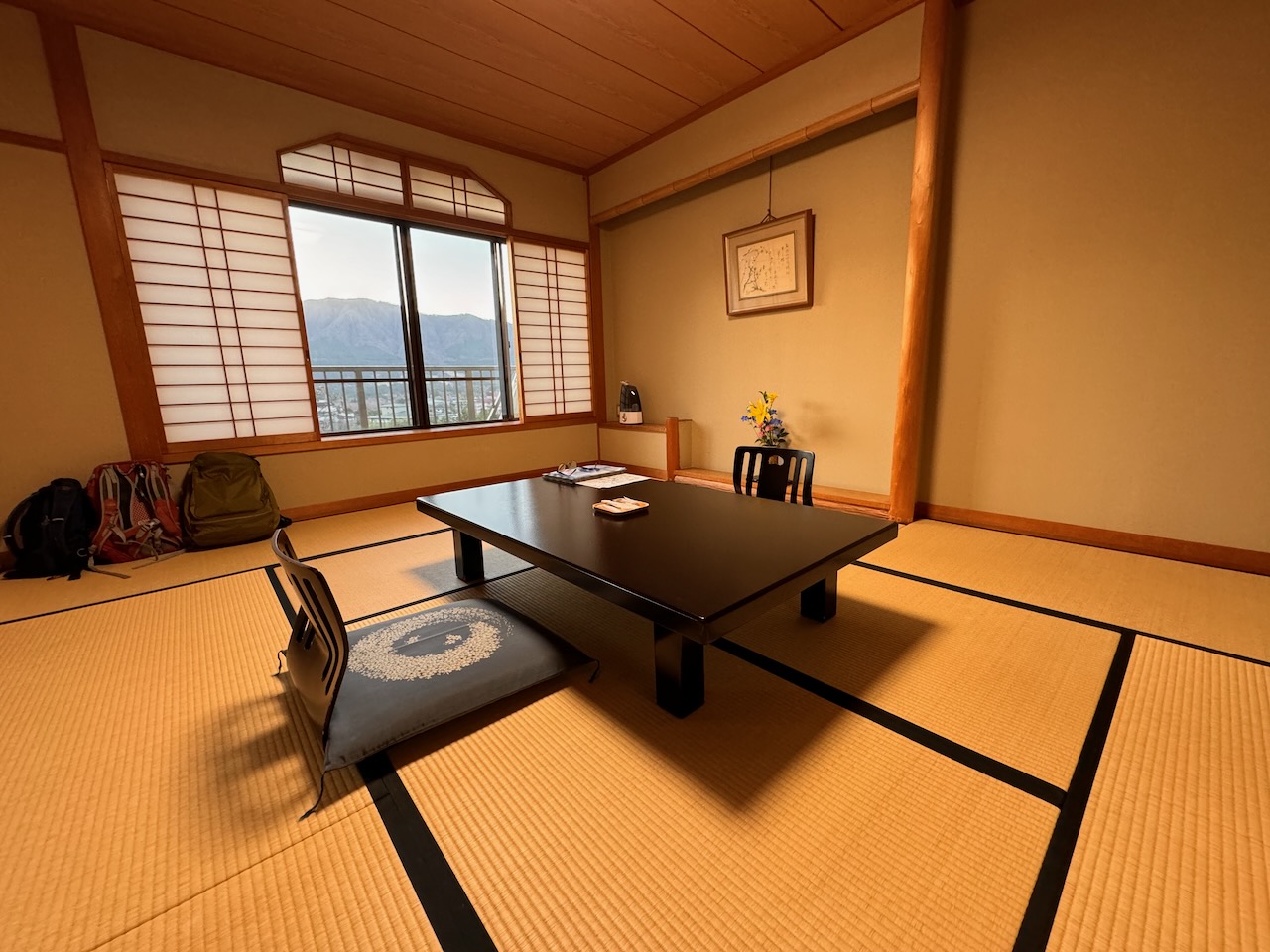
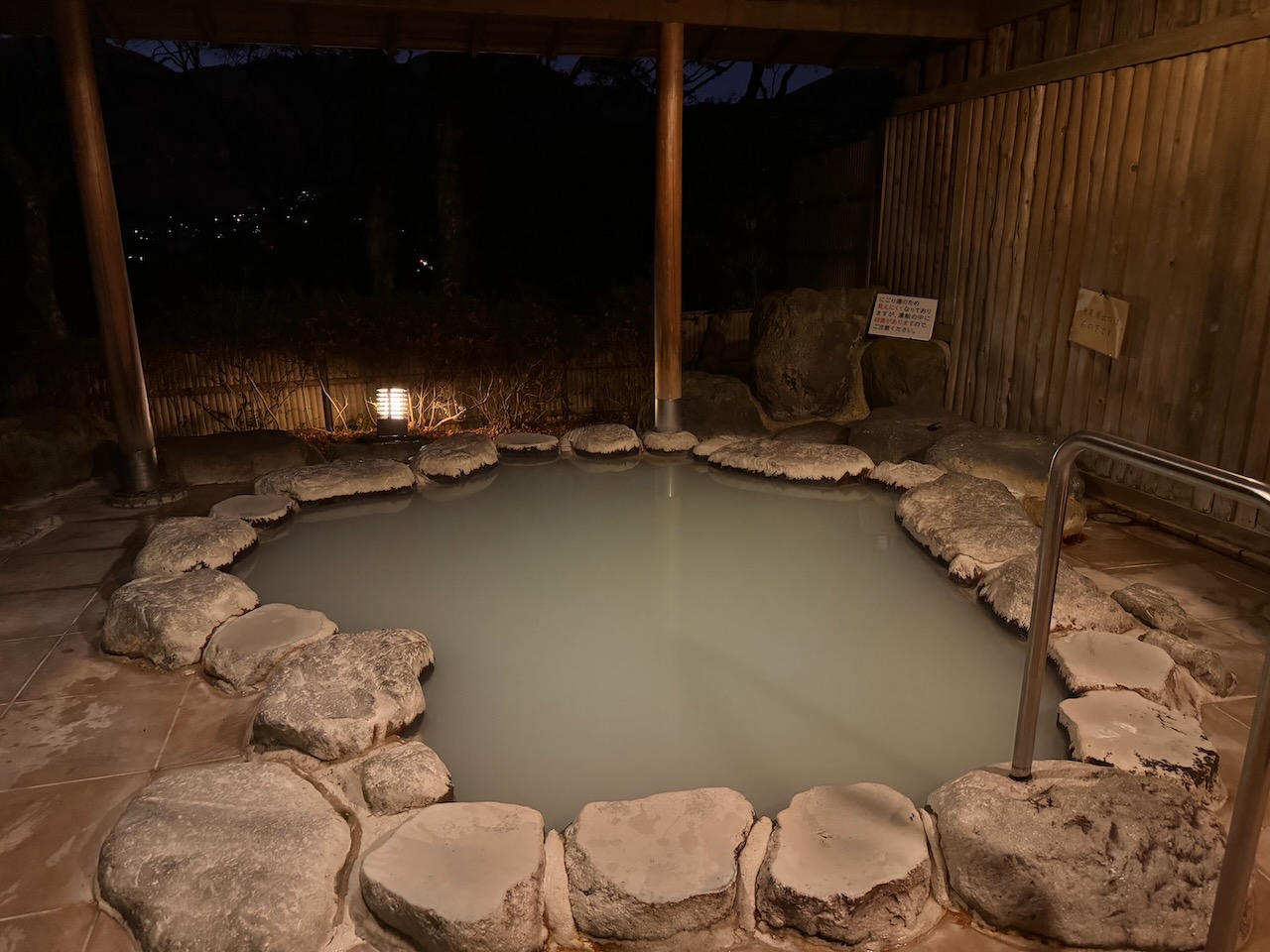
Originally I thought we were leaving the best for last. IJ supplied us with a 3-day pass to visit the most outstanding points of interest. This was misleading as we ended up with only one day to “do it all”. The train ride to Hakone was exceptional when Mt Fuji revealed itself for a half hour on a stunning clear day. We were met at the station by a private car to take us to our ryokan, Senkyoro, but a traffic accident, Friday afternoon snarls, and sunset before 5:00pm put the kybosh on doing any sightseeing the rest of the day (one day gone). The sun was down shortly after we checked in but we managed to have a wander in the absolutely lovely gardens of the property.
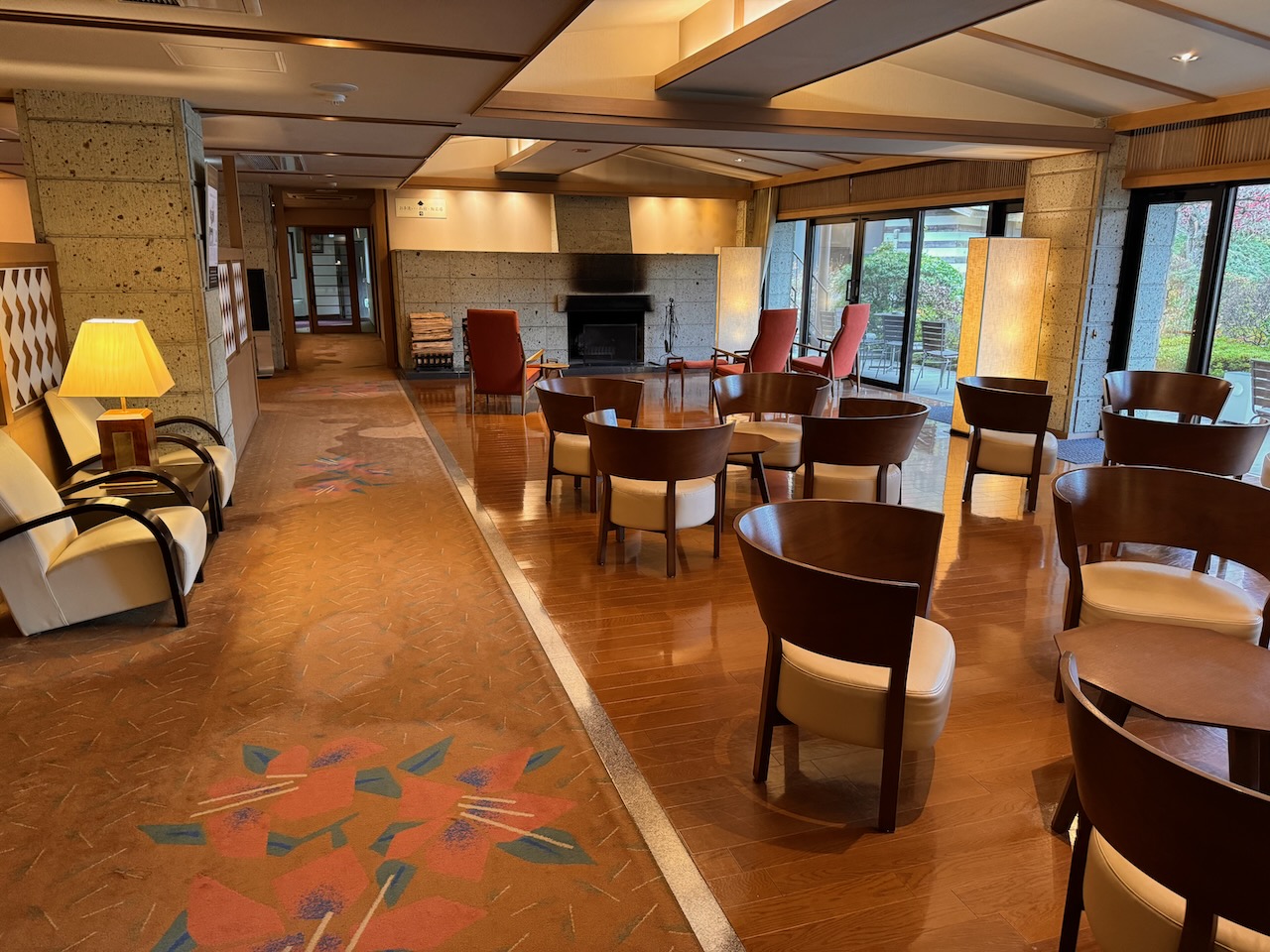
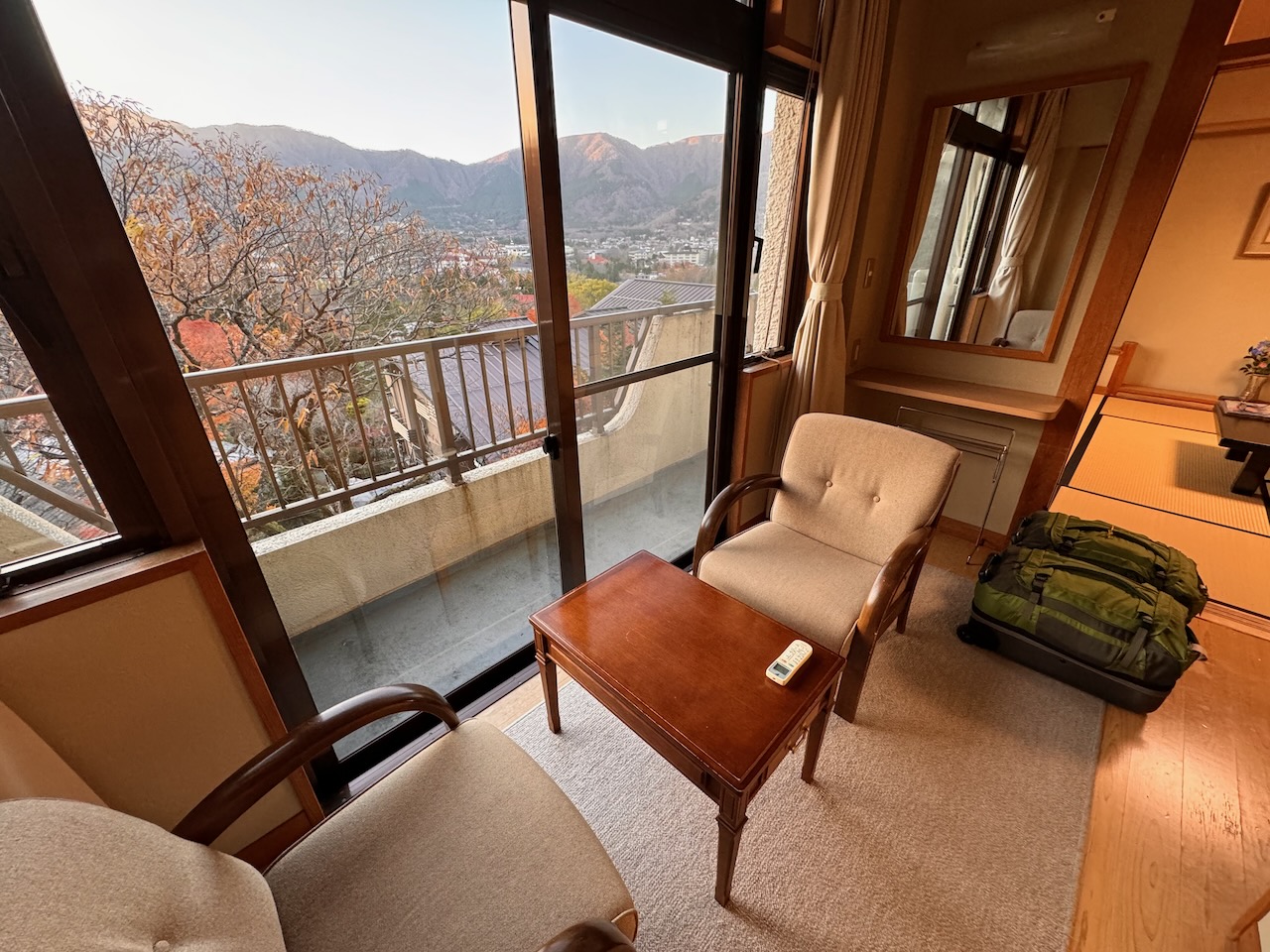
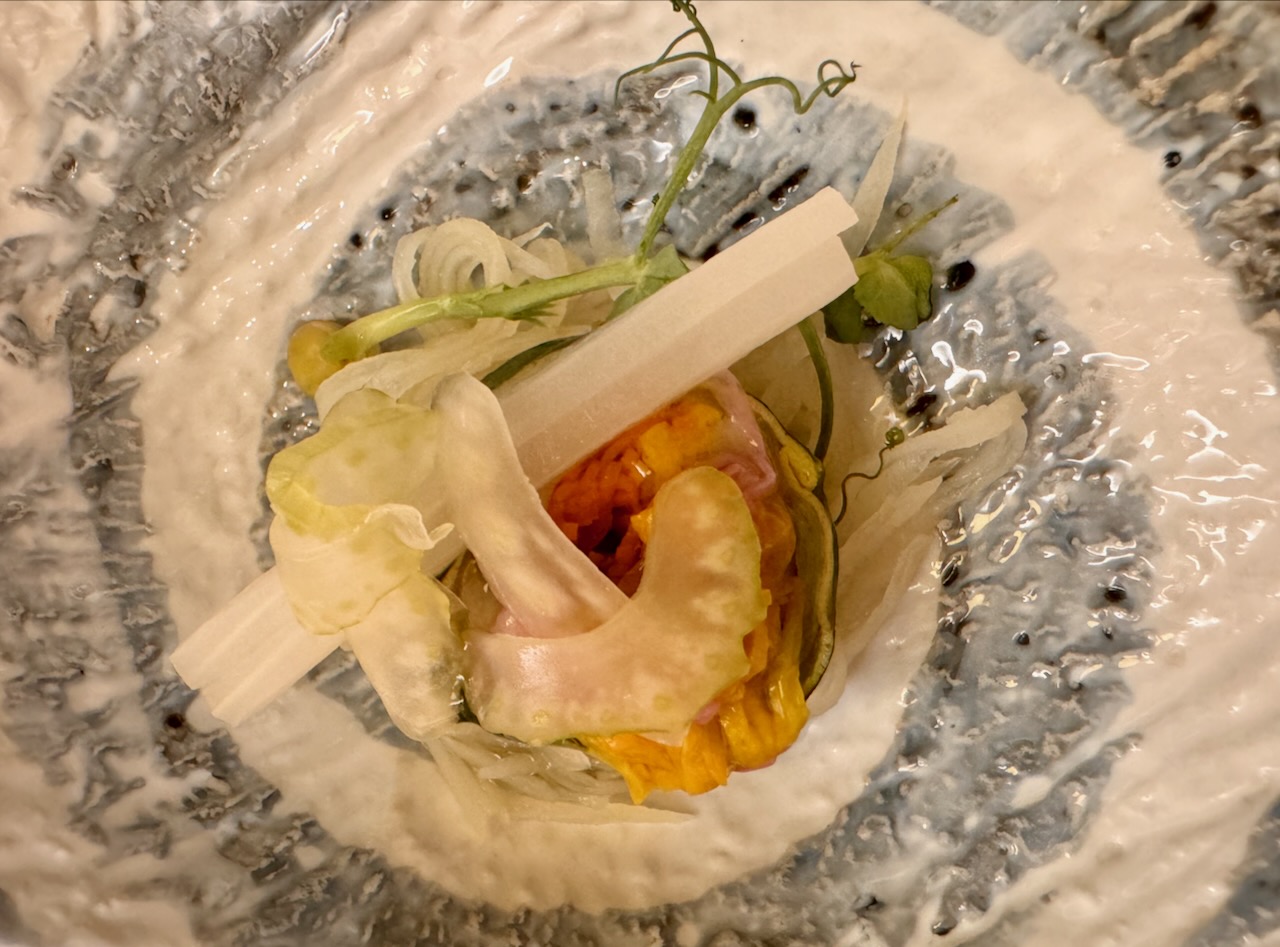
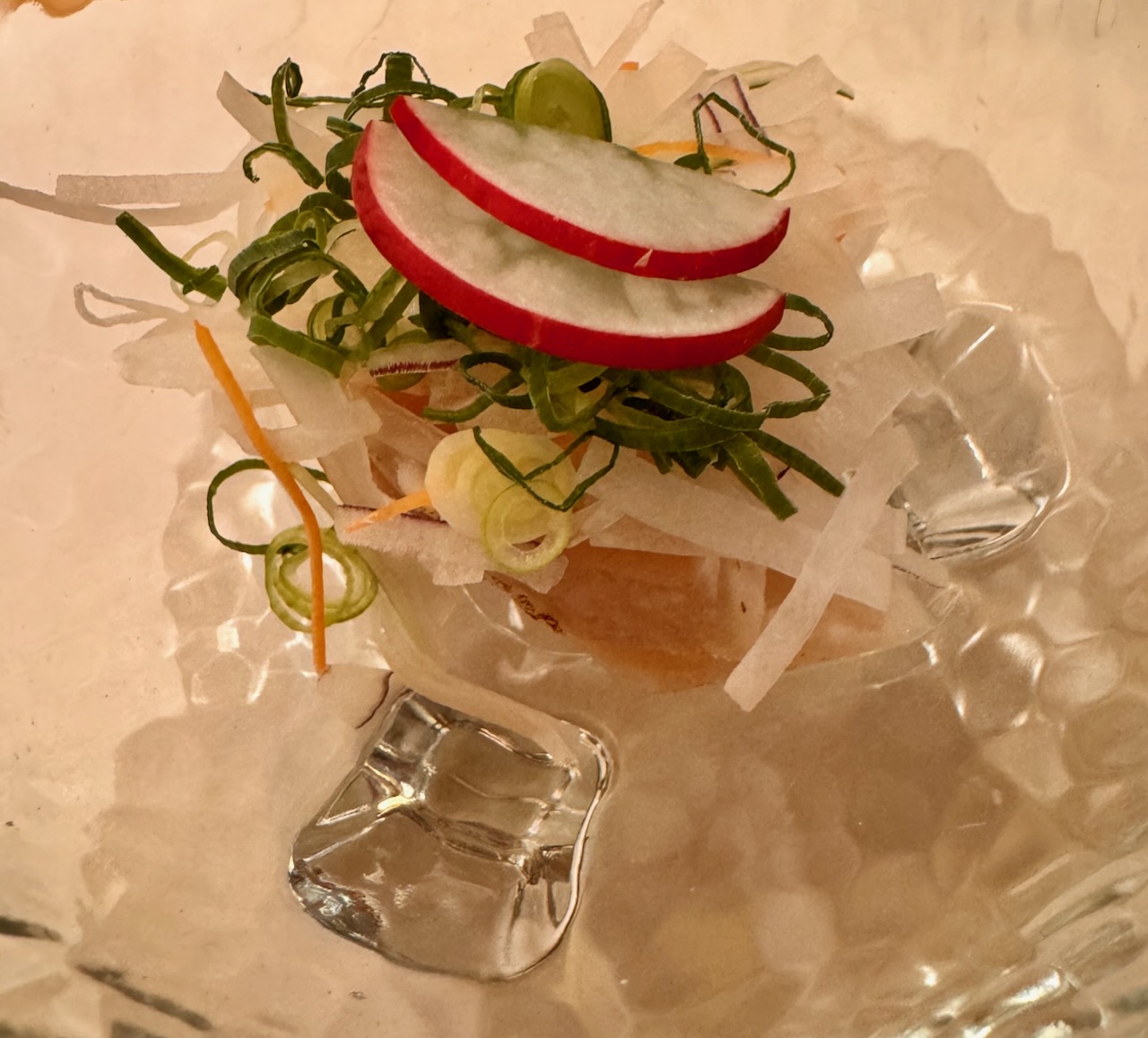
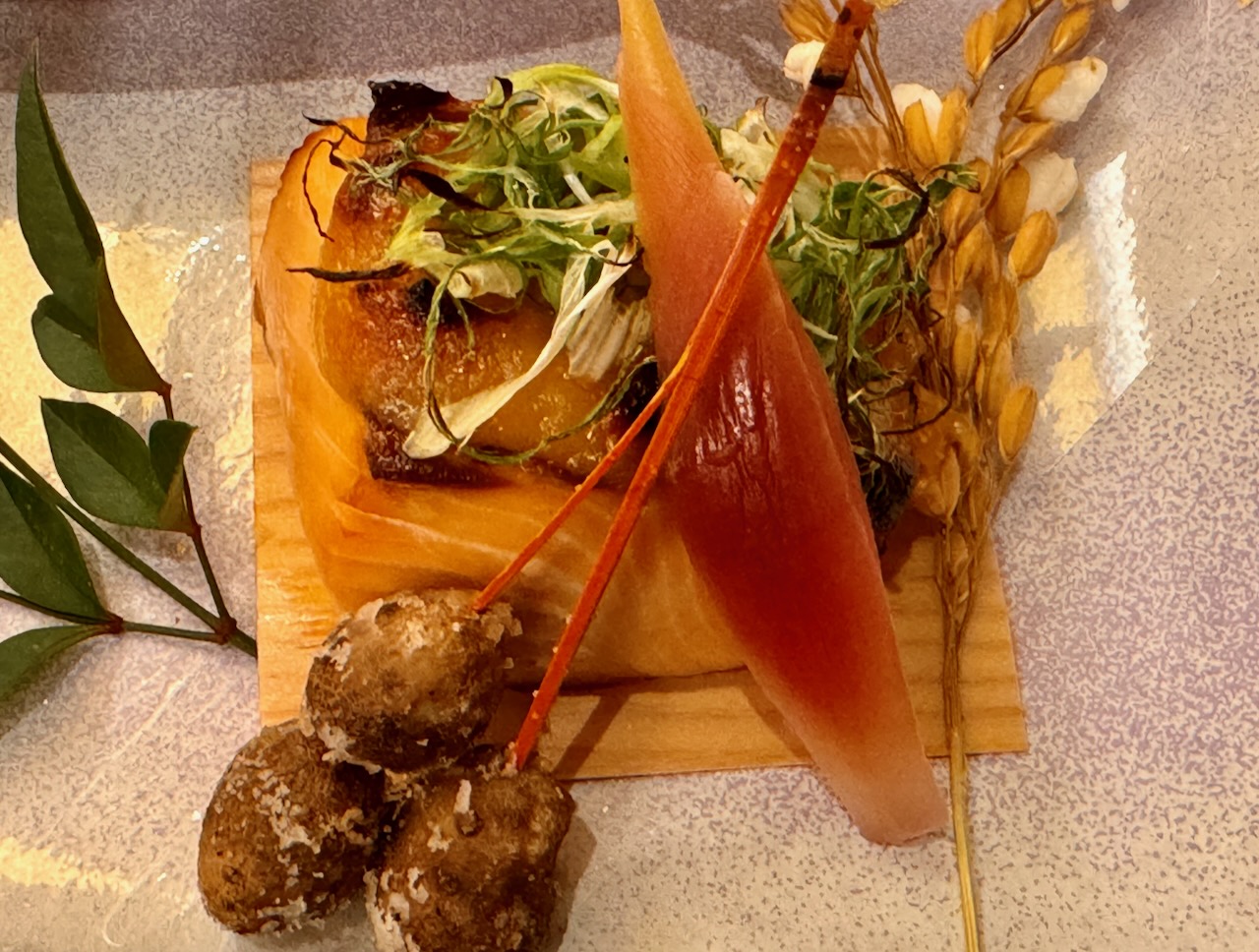
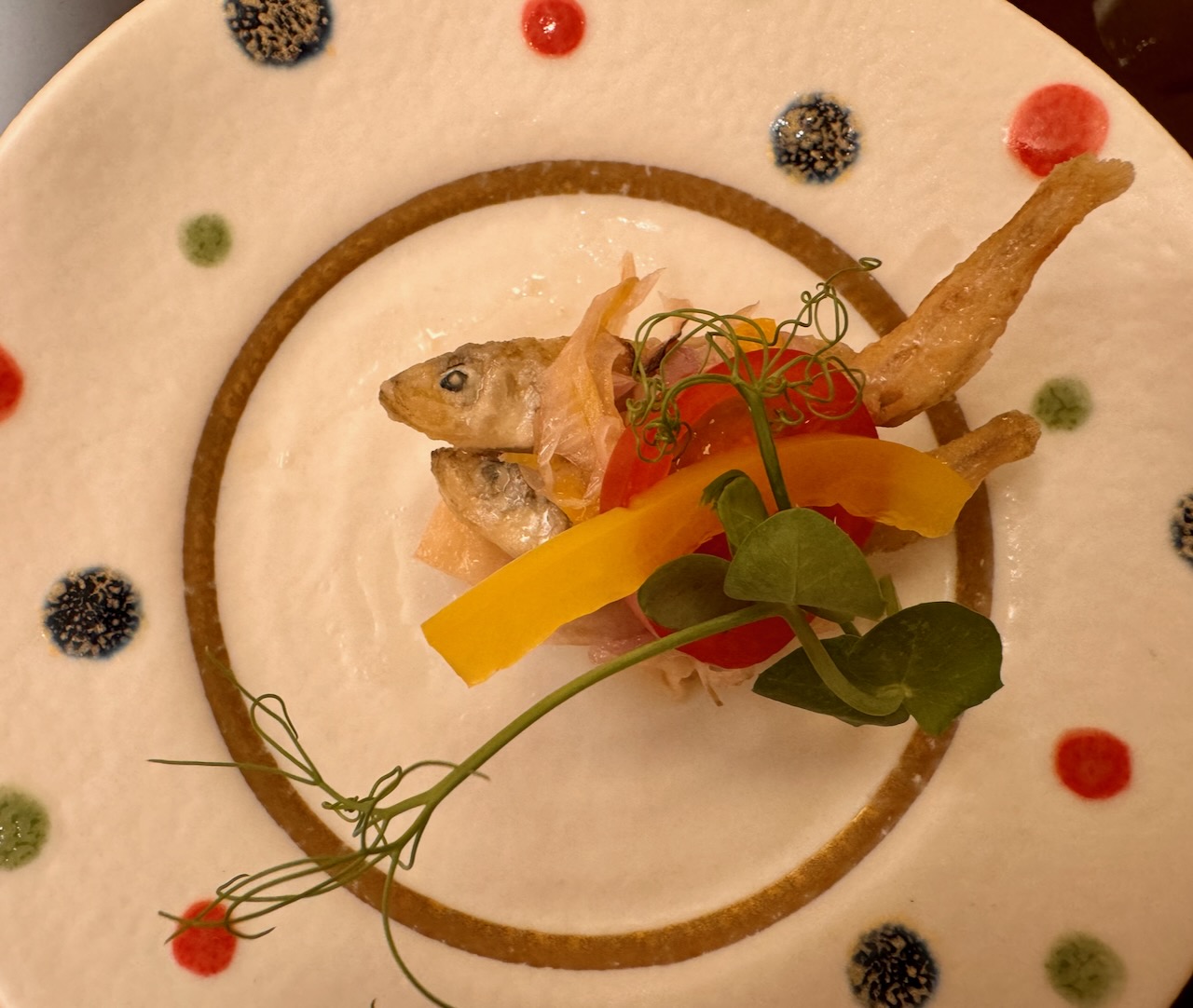
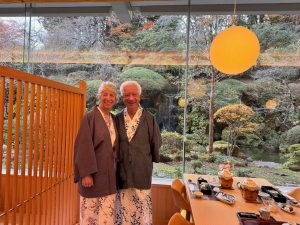
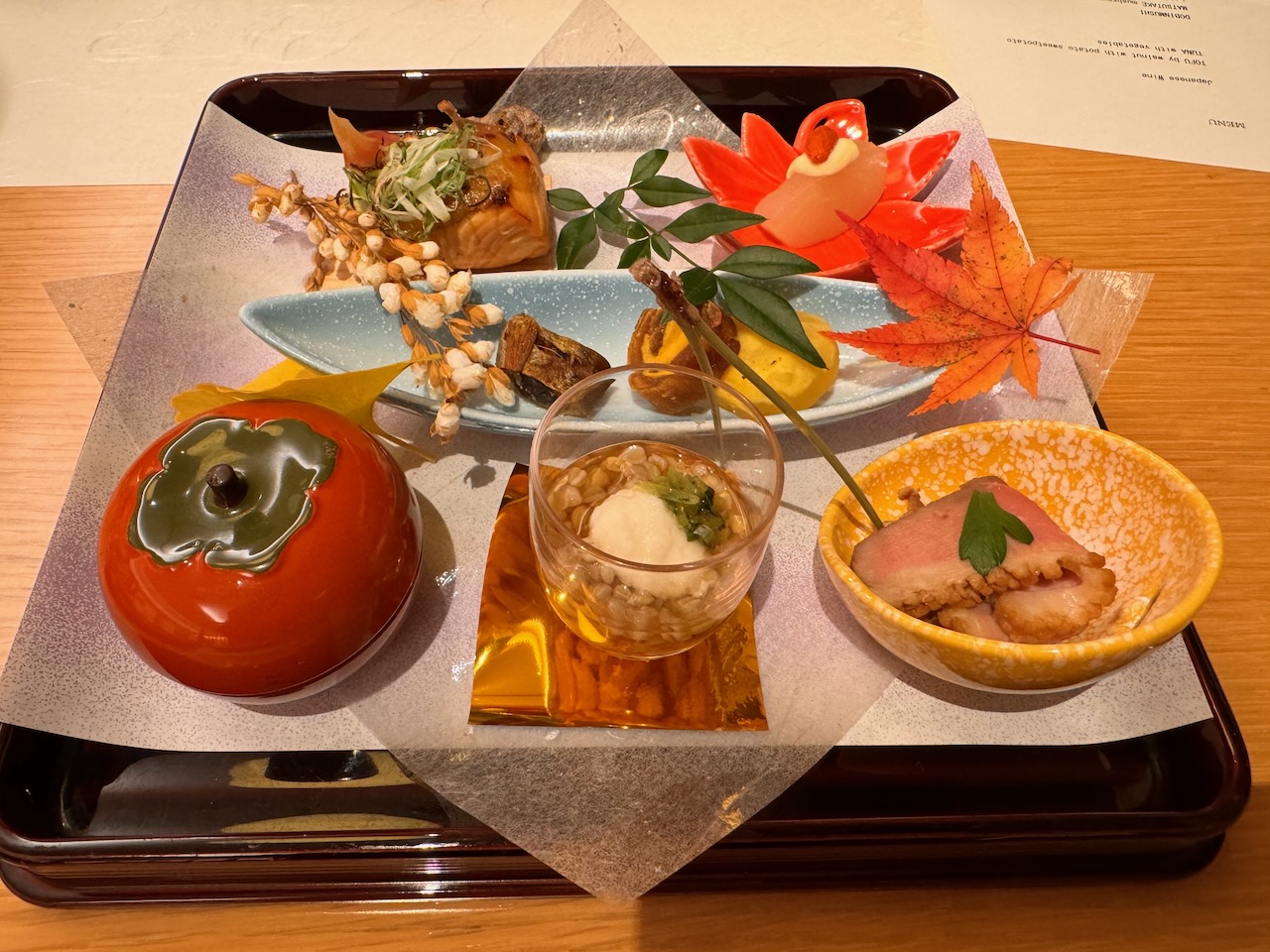
We were spending two nights at Senkyoro so we dined on the last two kaiseki menus of our trip here. The dining room had a wall of windows for viewing the garden courtyard. Below are a few of the exceptional plates on the menu.
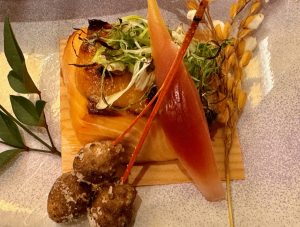
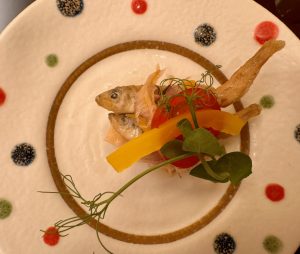
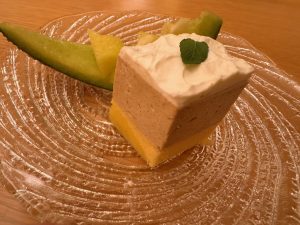
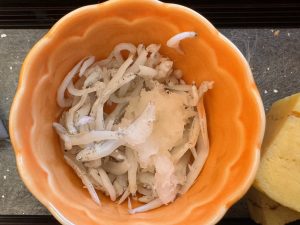
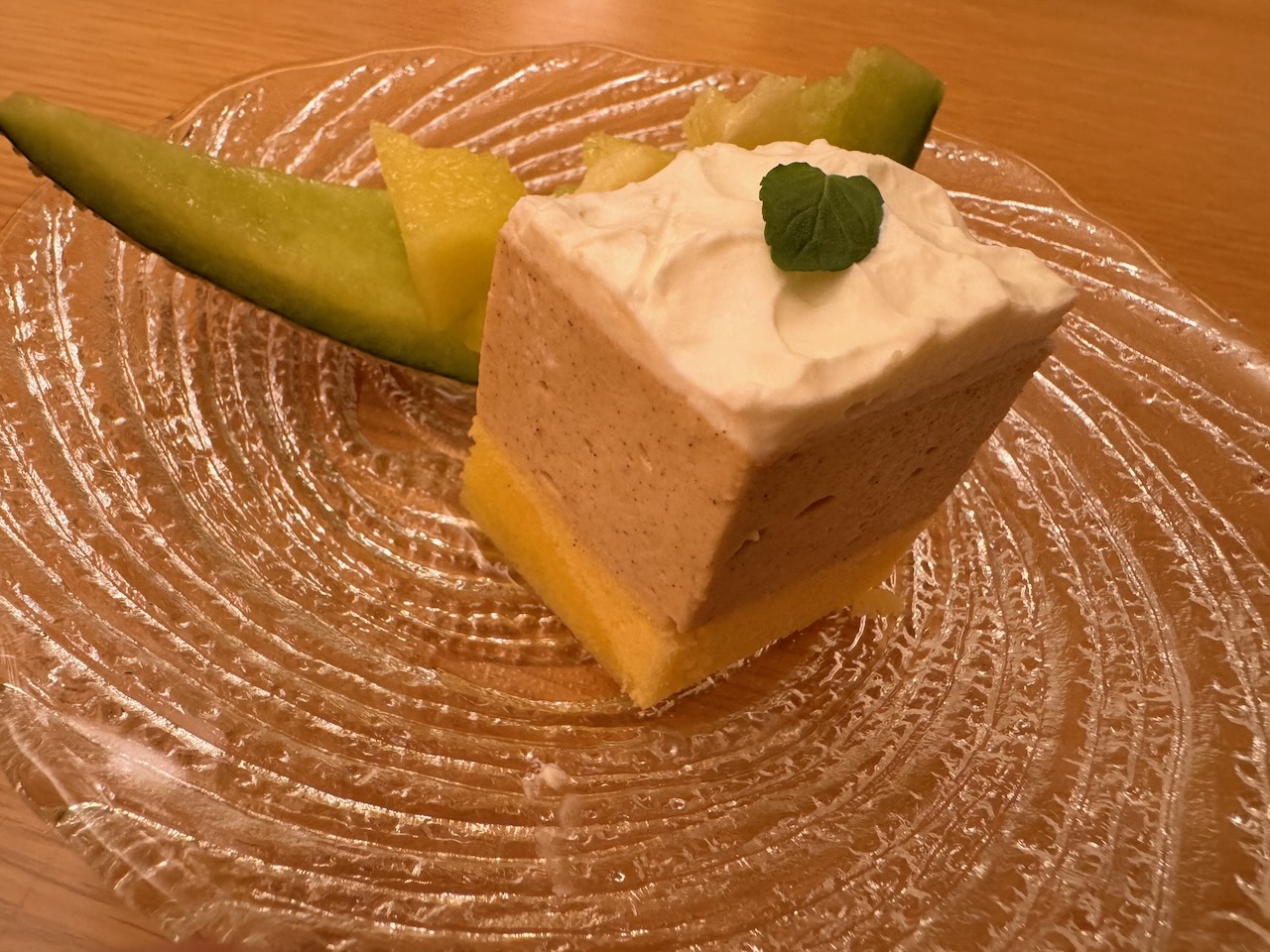
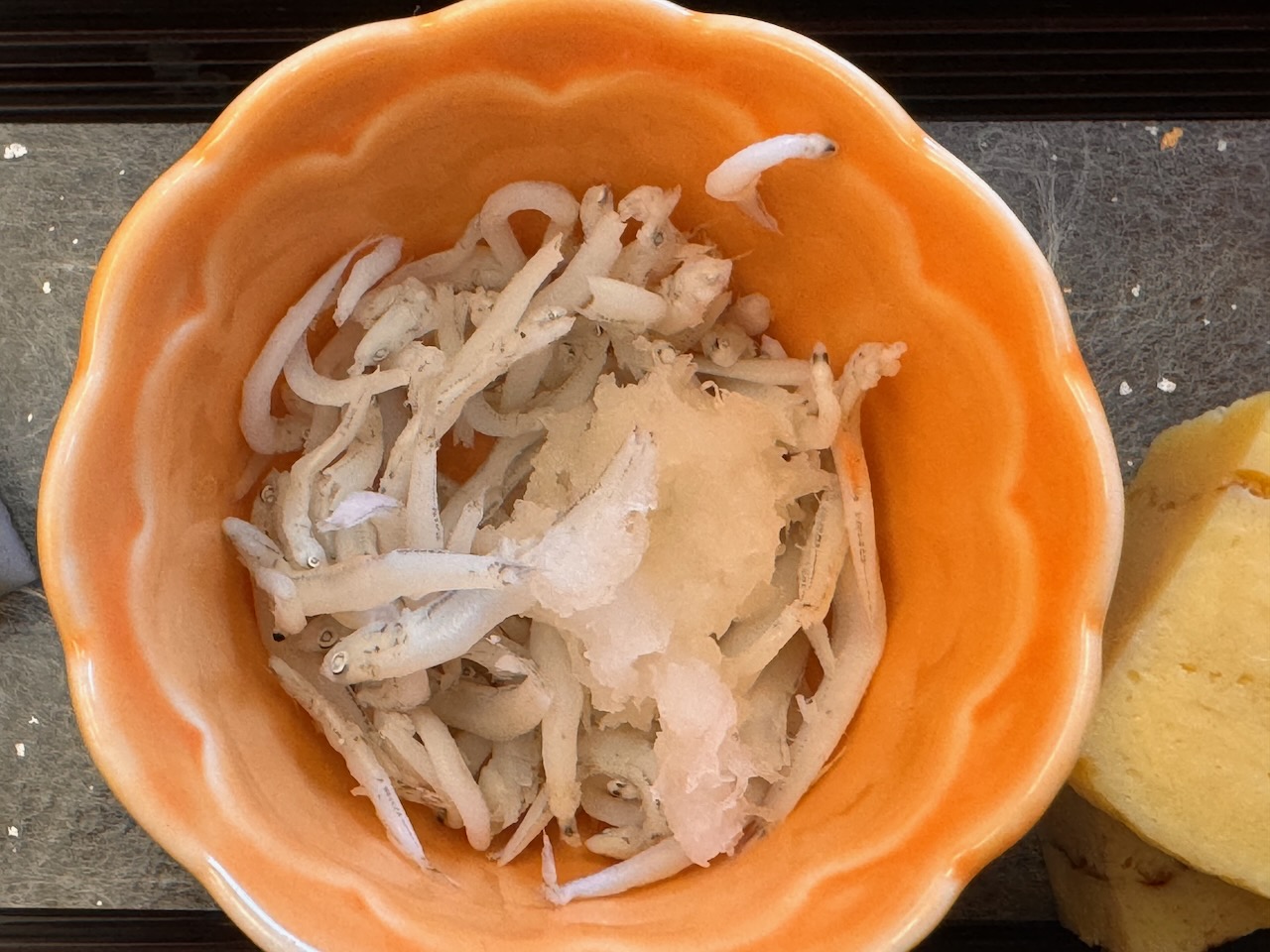
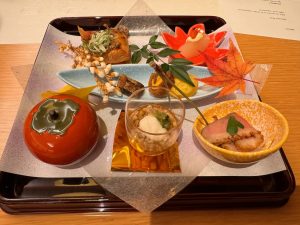
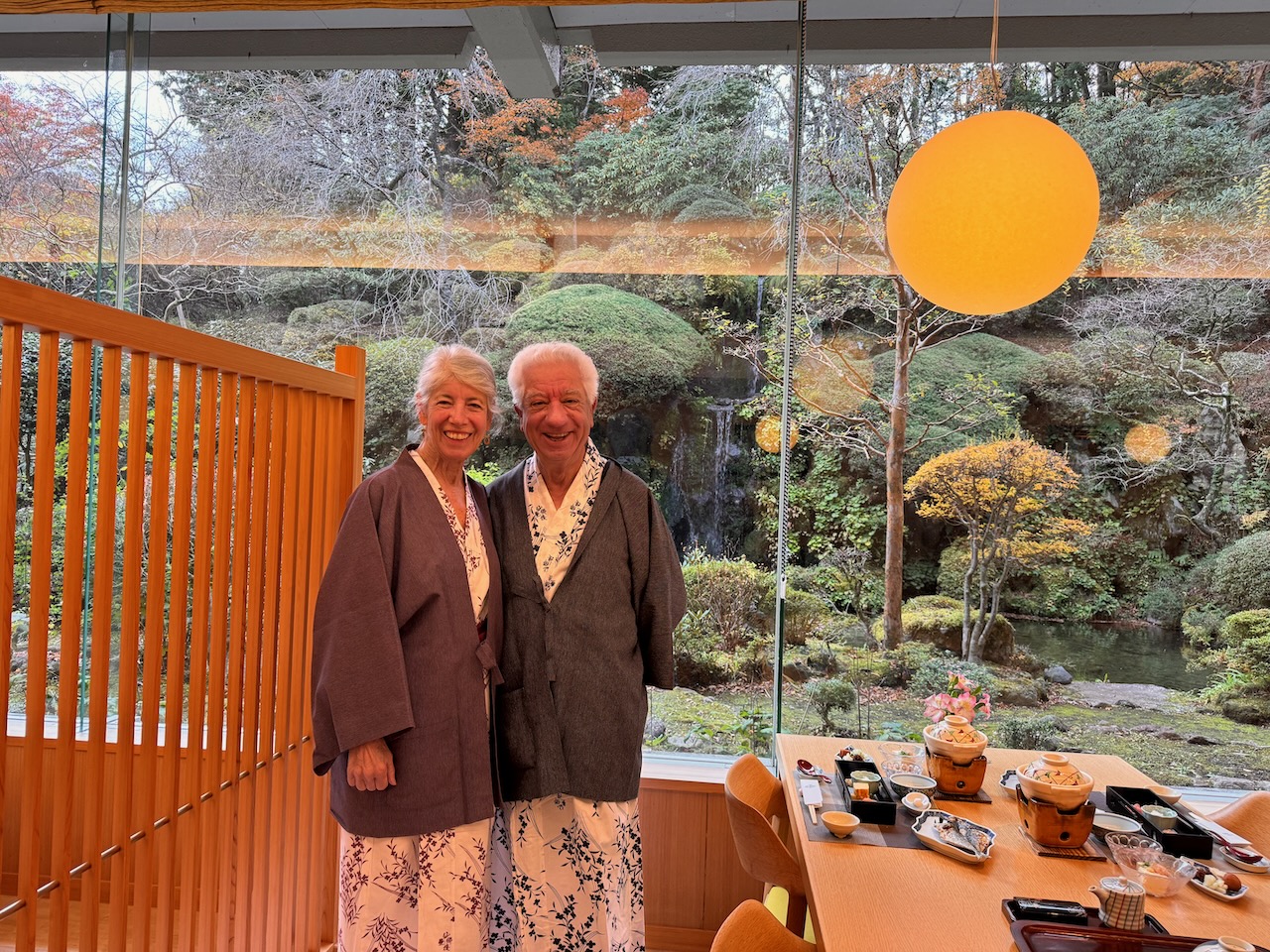
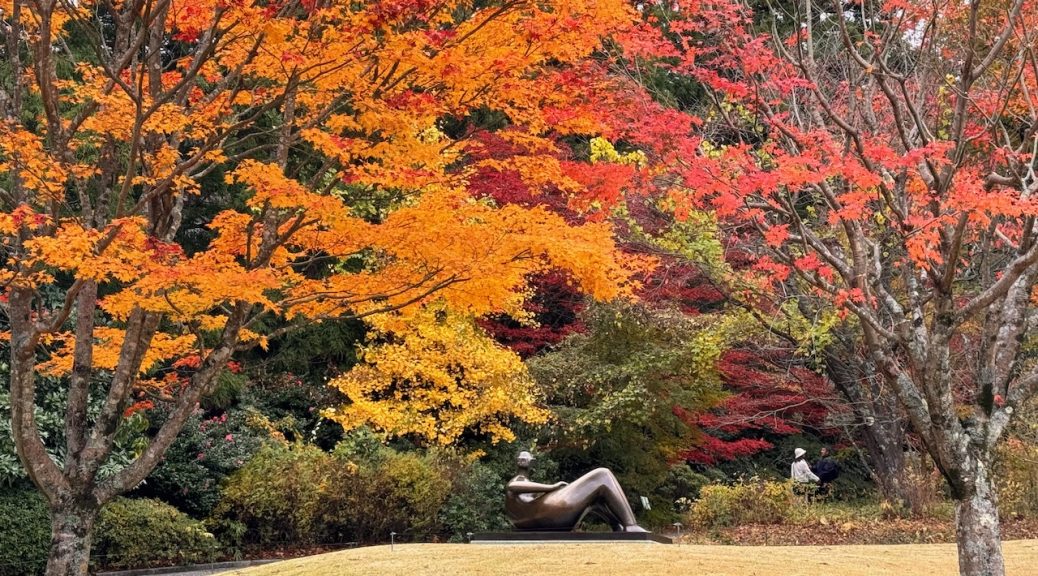
Hakone actually spans a wide mountainous area from the low river valleys to the mountain lake (Ashi) with views of Mt. Fuji on a clear day. That evening we tried to work out our schedule for our one full day in the area to cover a lot of interesting sights. We would be relying on buses but despite checking out the nearby bus stop and scrutinizing the schedule we were no clearer on the best way to cover the main sights. (A full day guide would have been much more practical). Reception didn’t seem to understand our confusion so we started the next morning with a handicap. We had some help from an extraordinary young man who literally went out of his way to get us on the proper bus to our first stop, Hakone Open Air Museum. Here we would be enthralled with a large swath of fabulous sculptures.
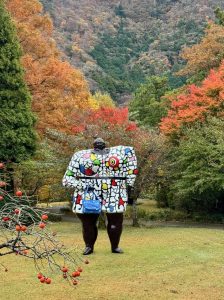
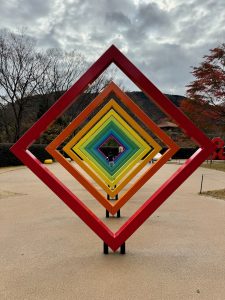
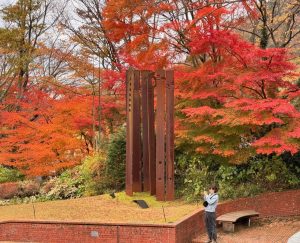
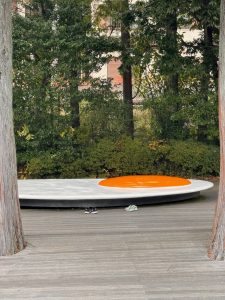
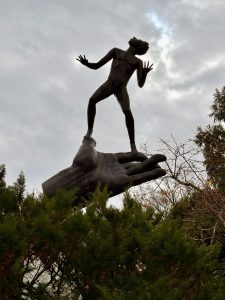
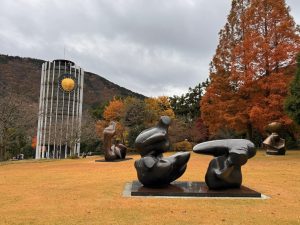
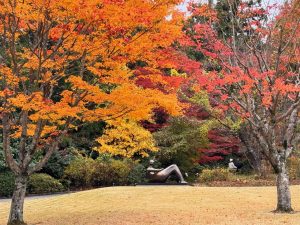
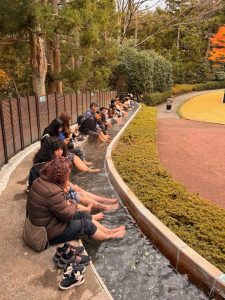
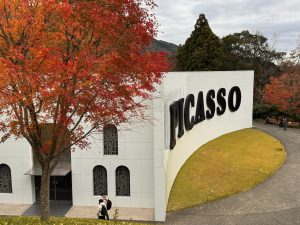
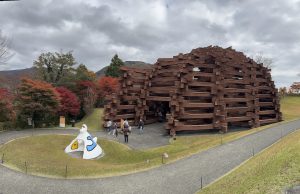
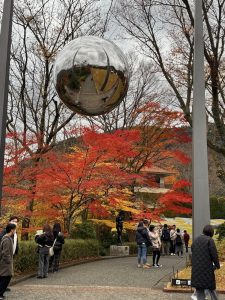
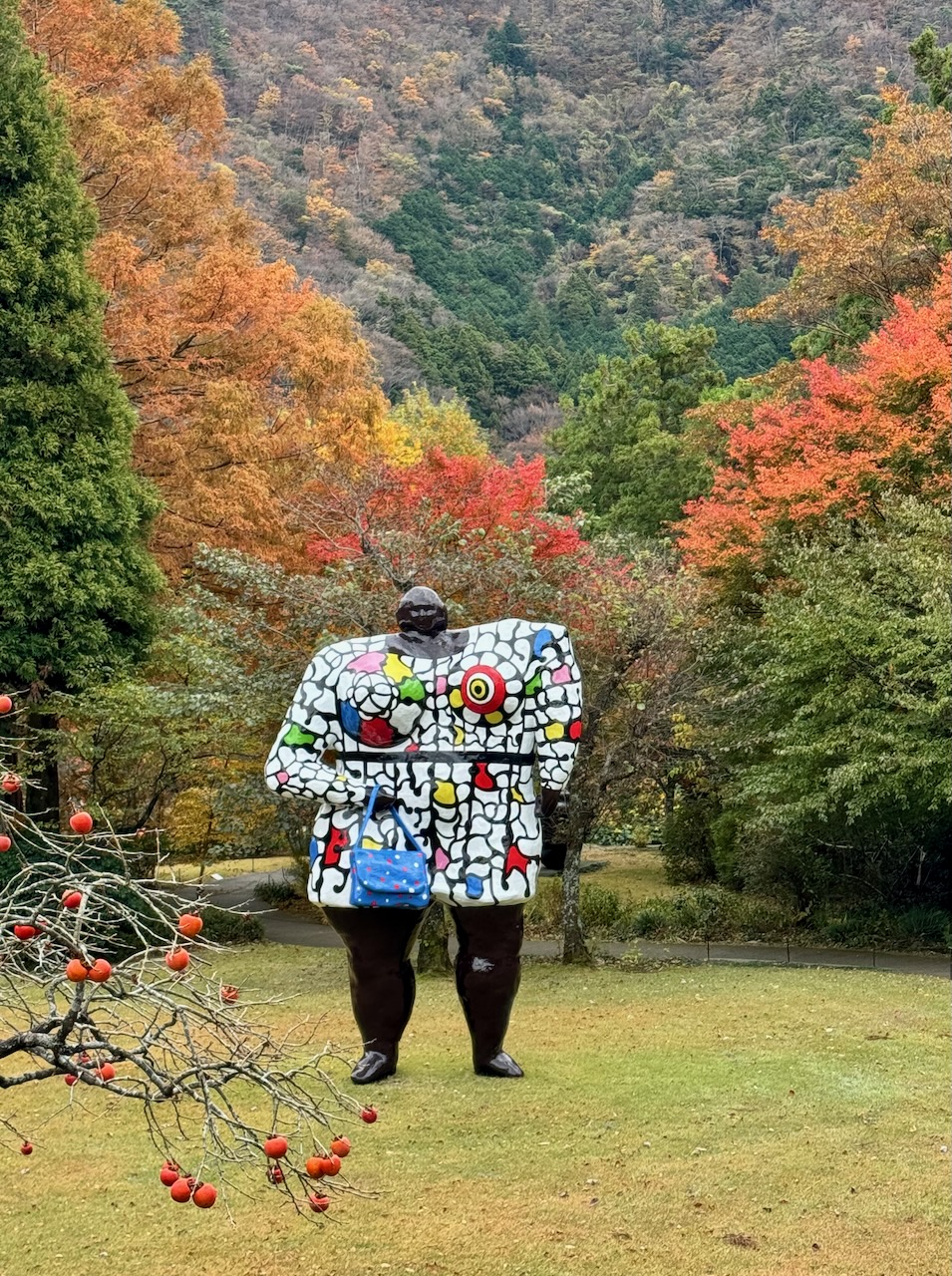
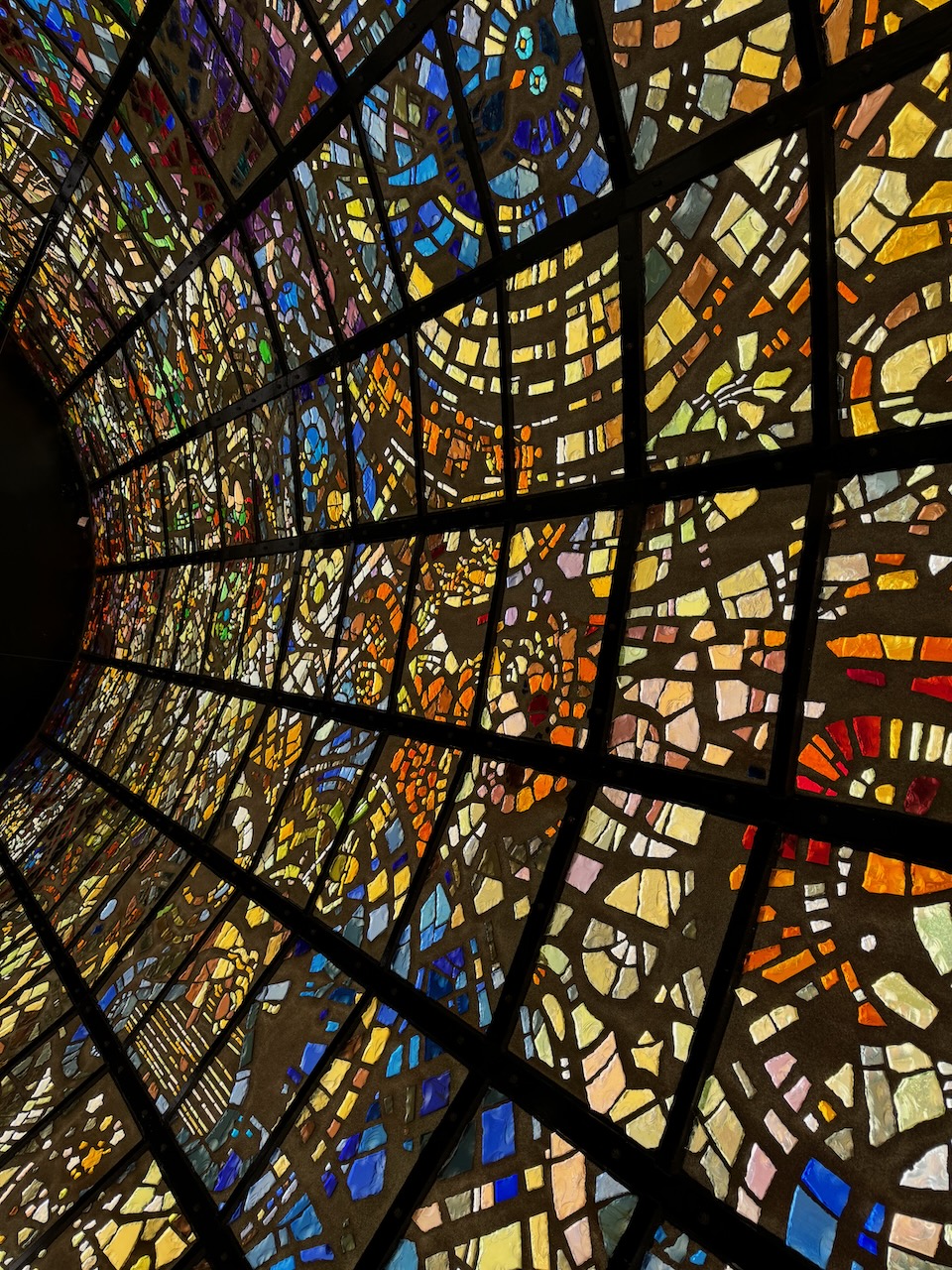
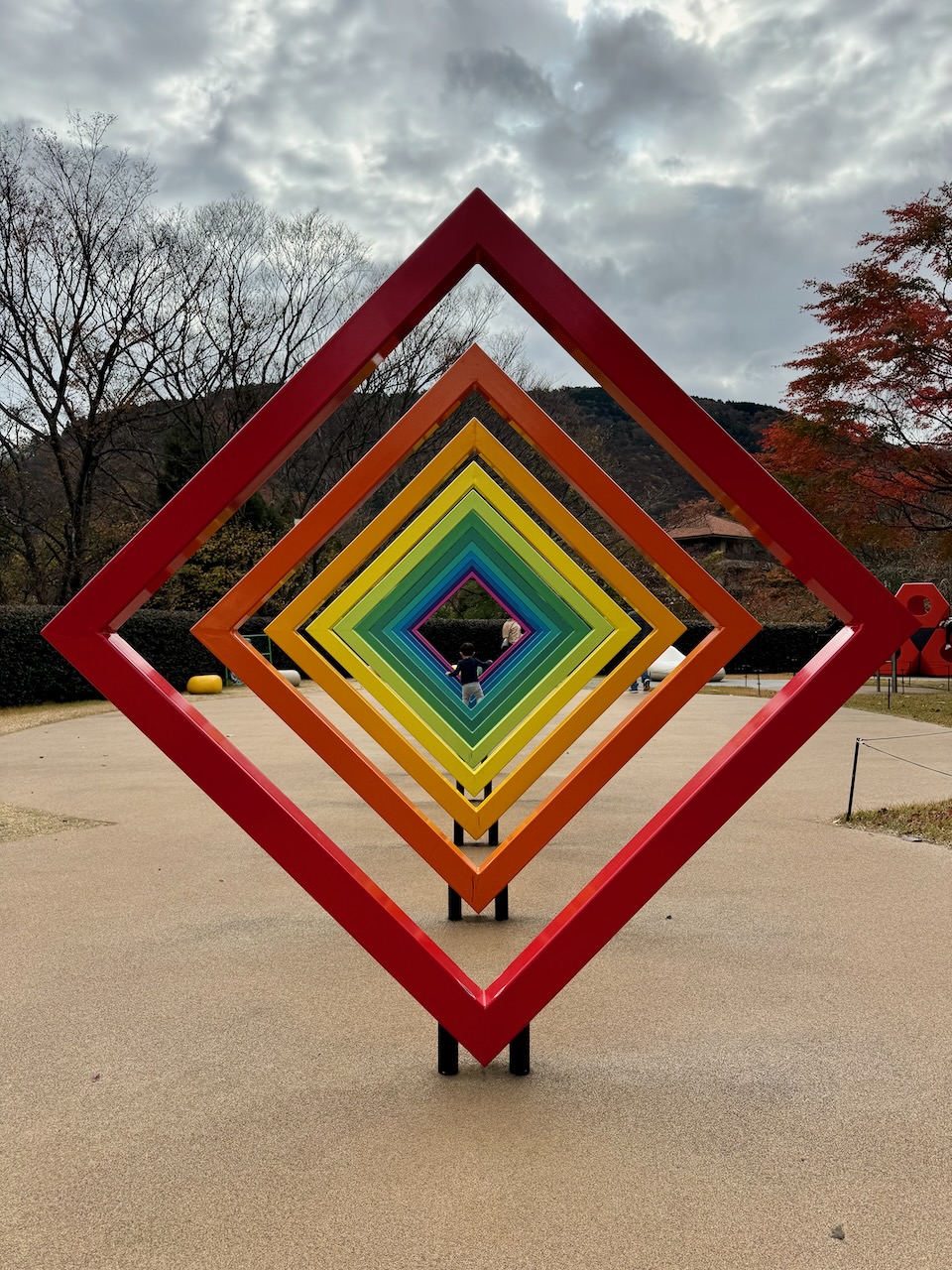
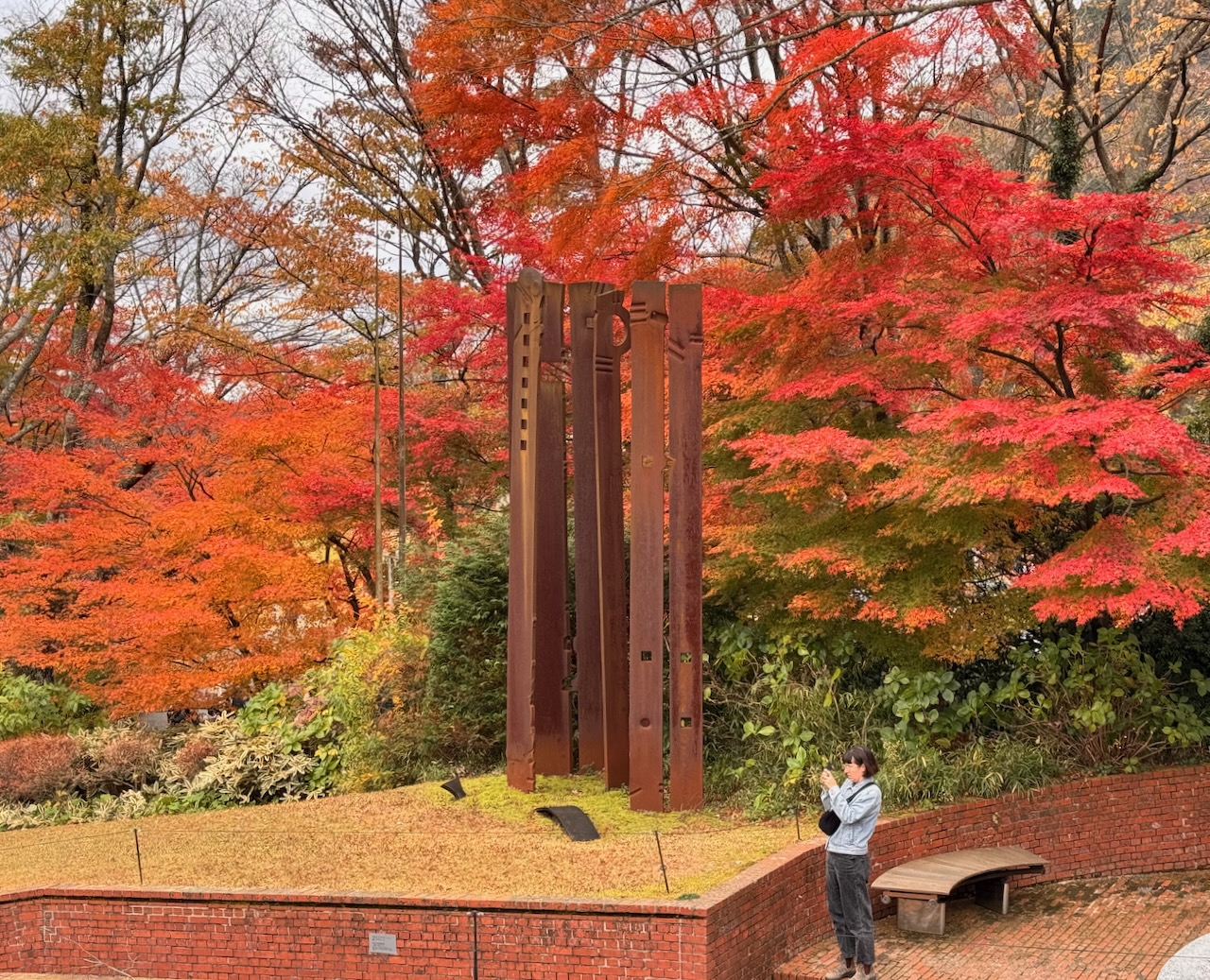
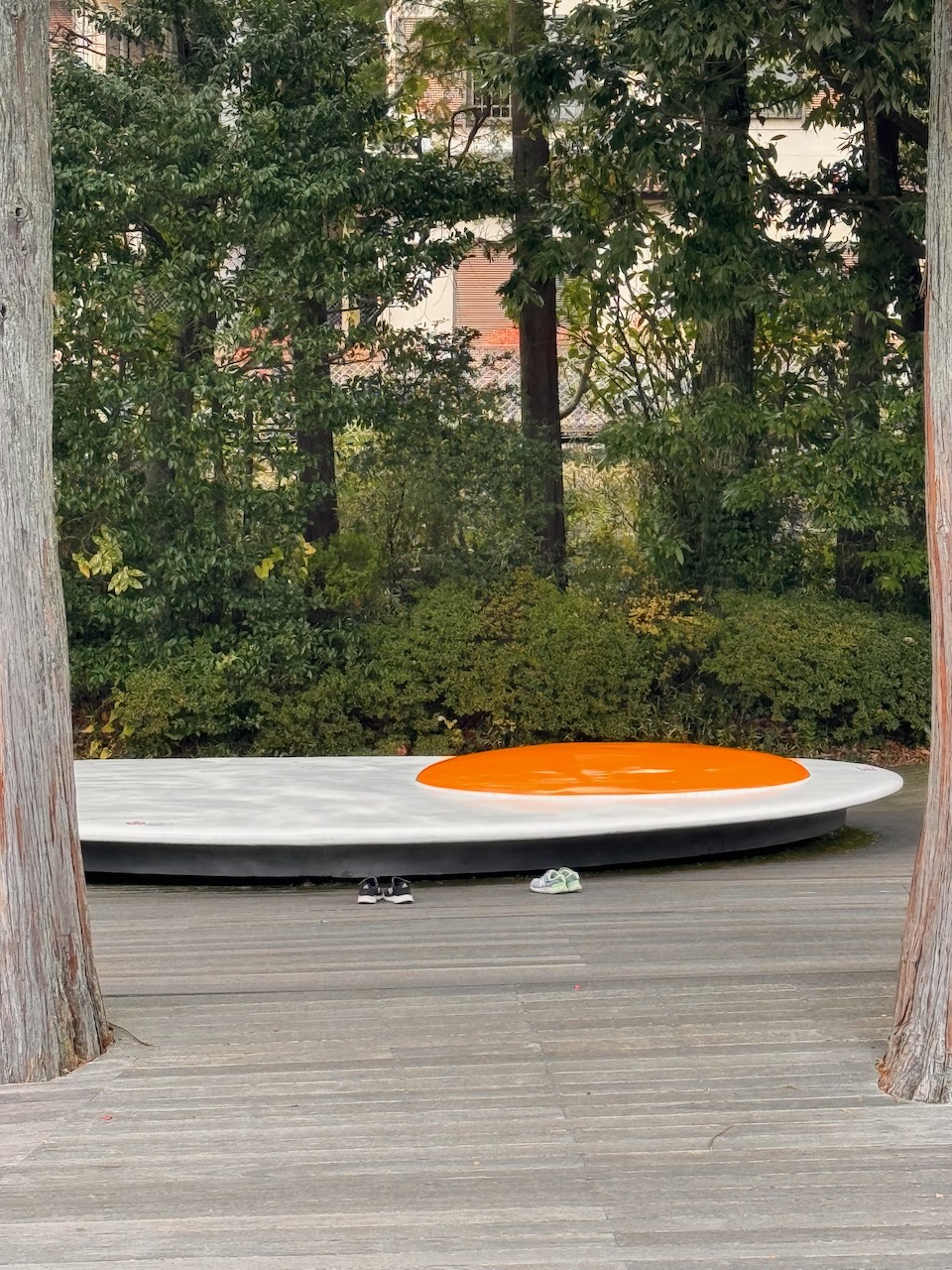
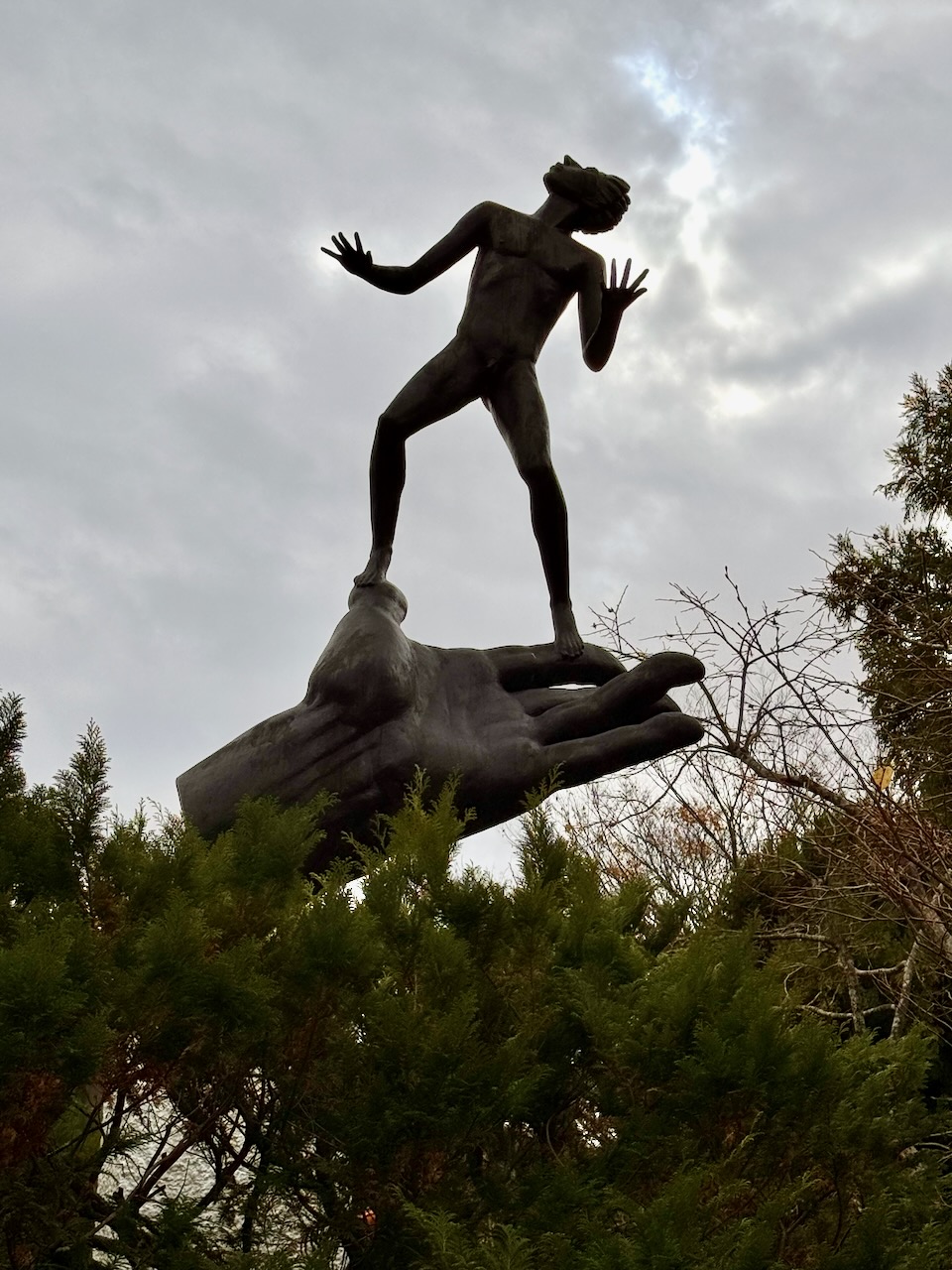
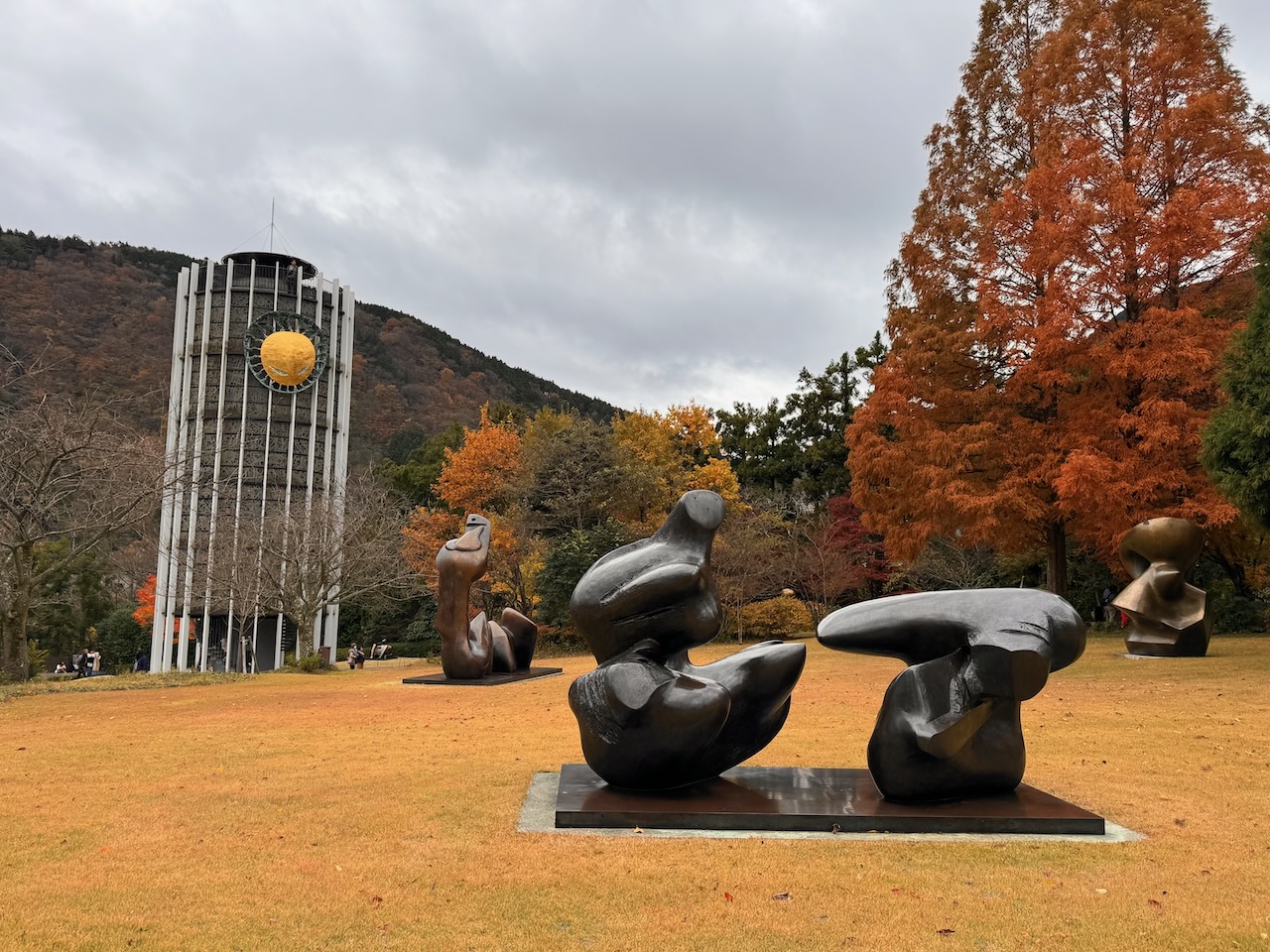
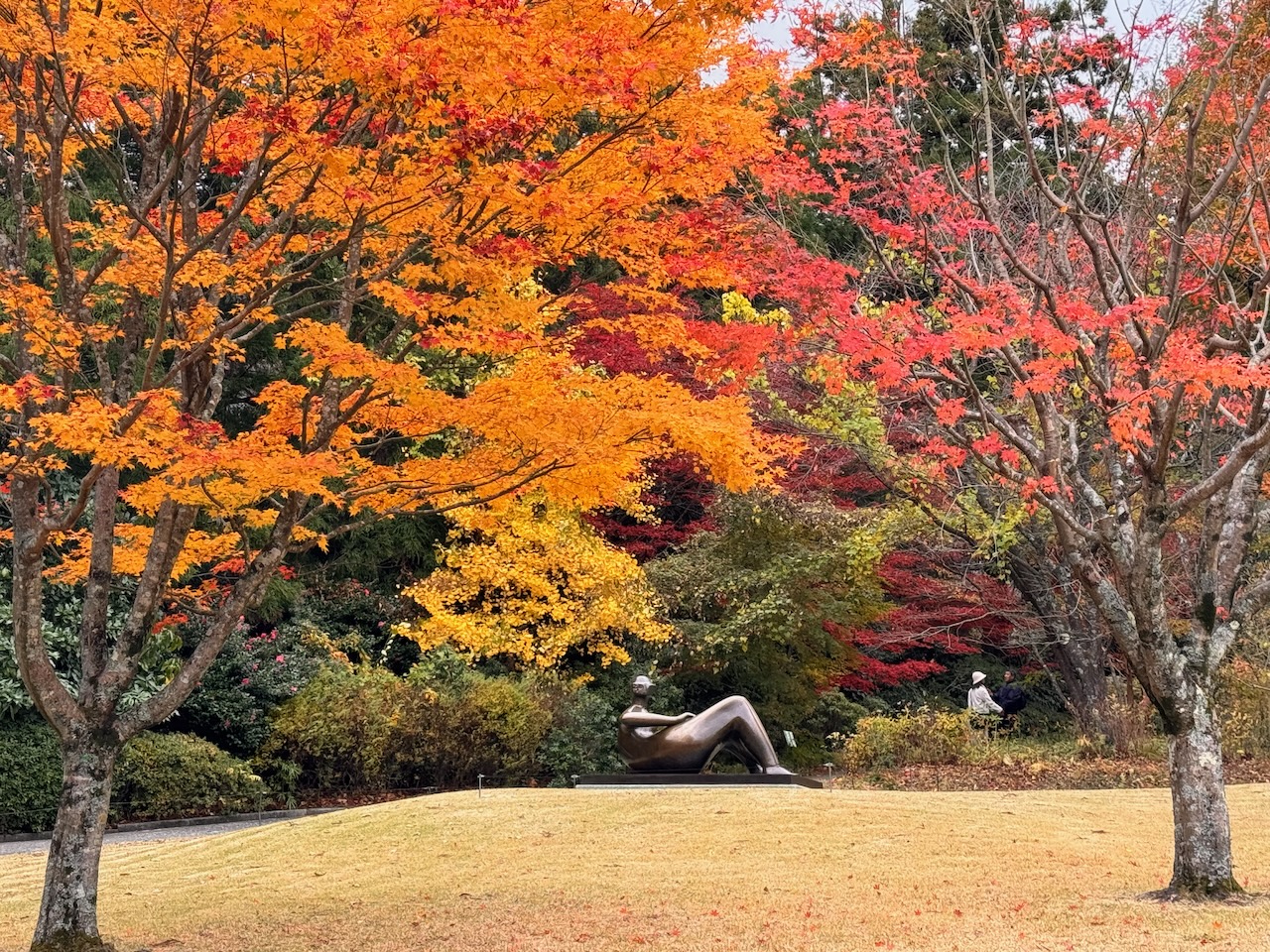
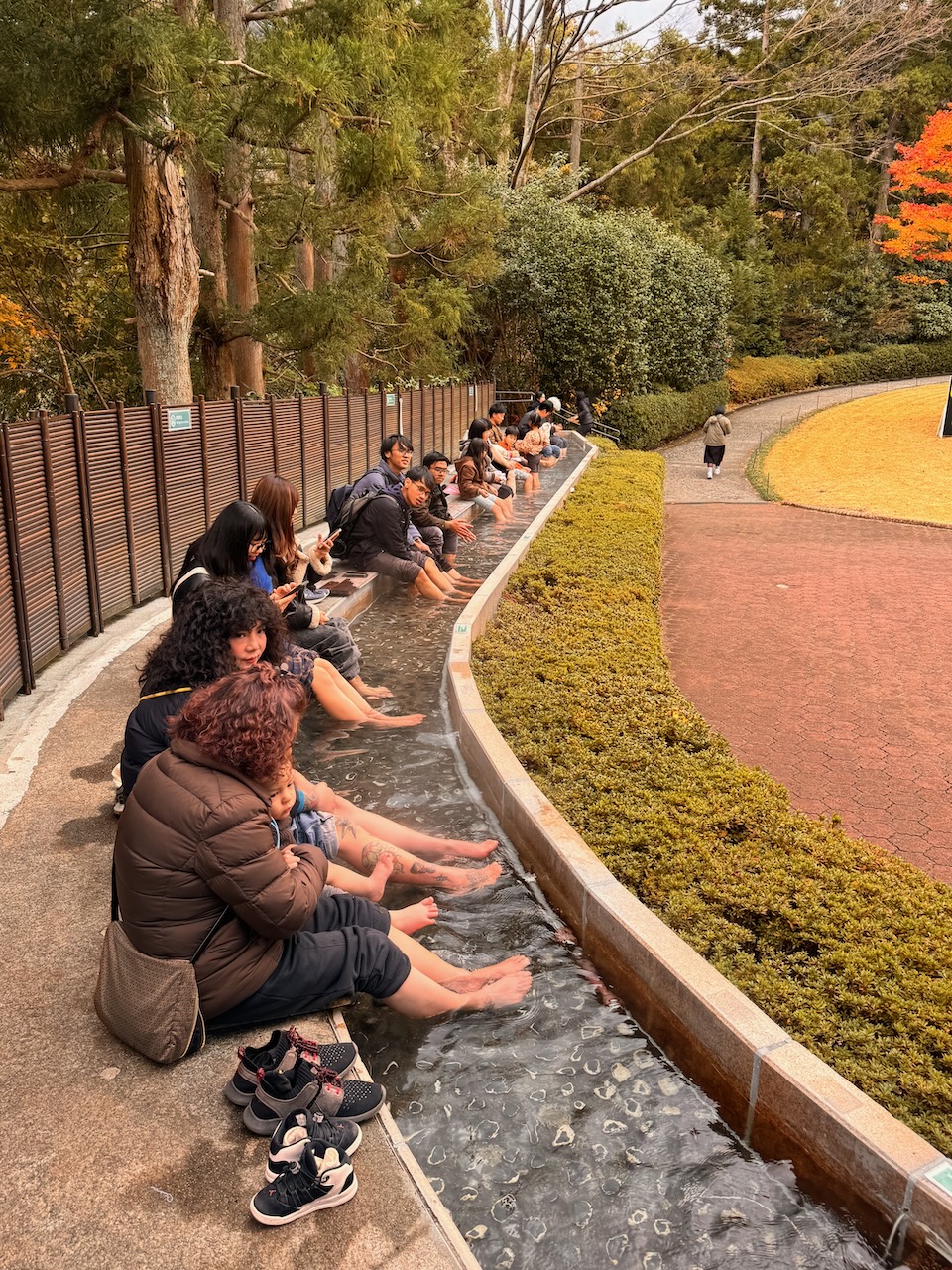
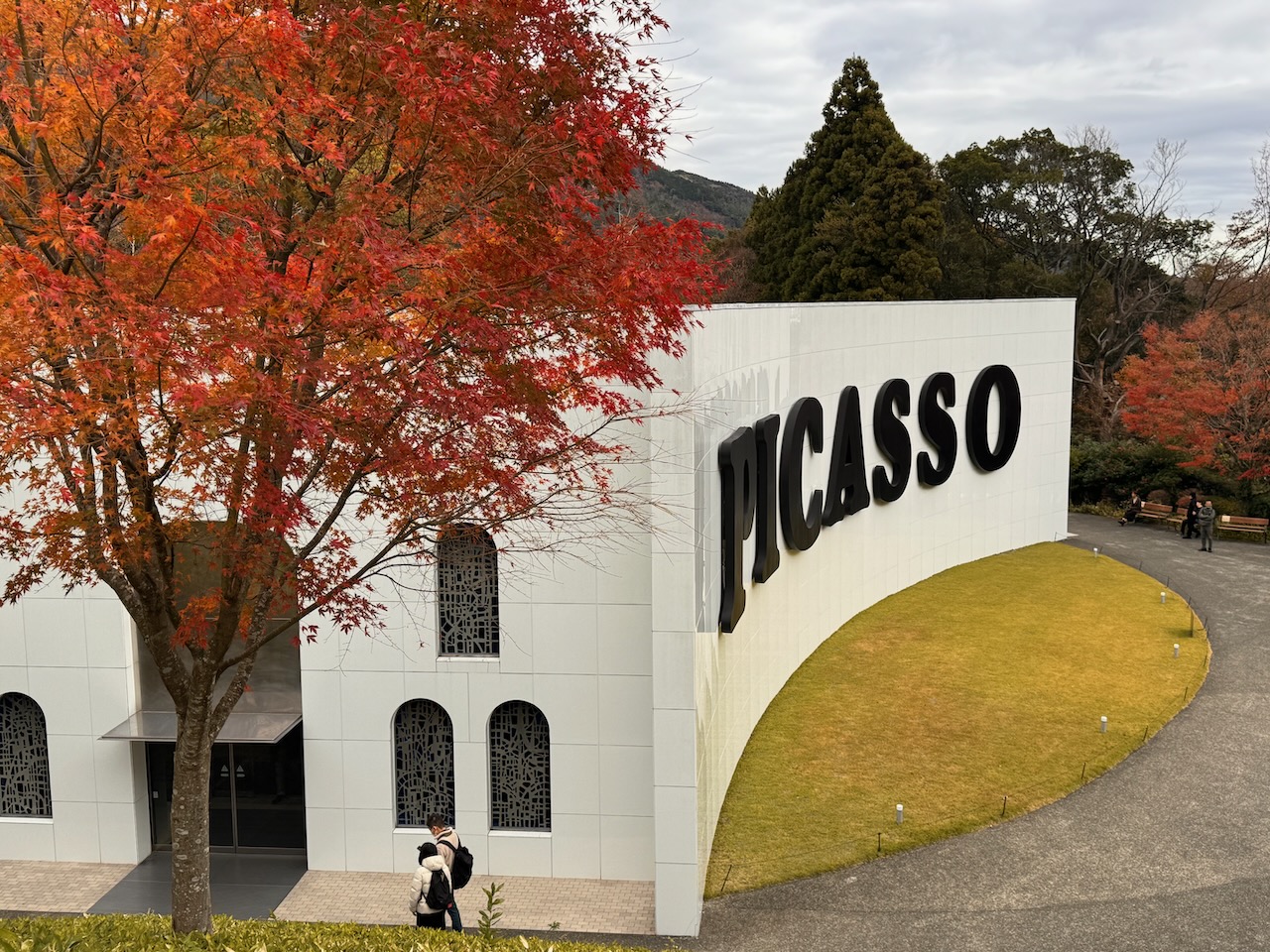
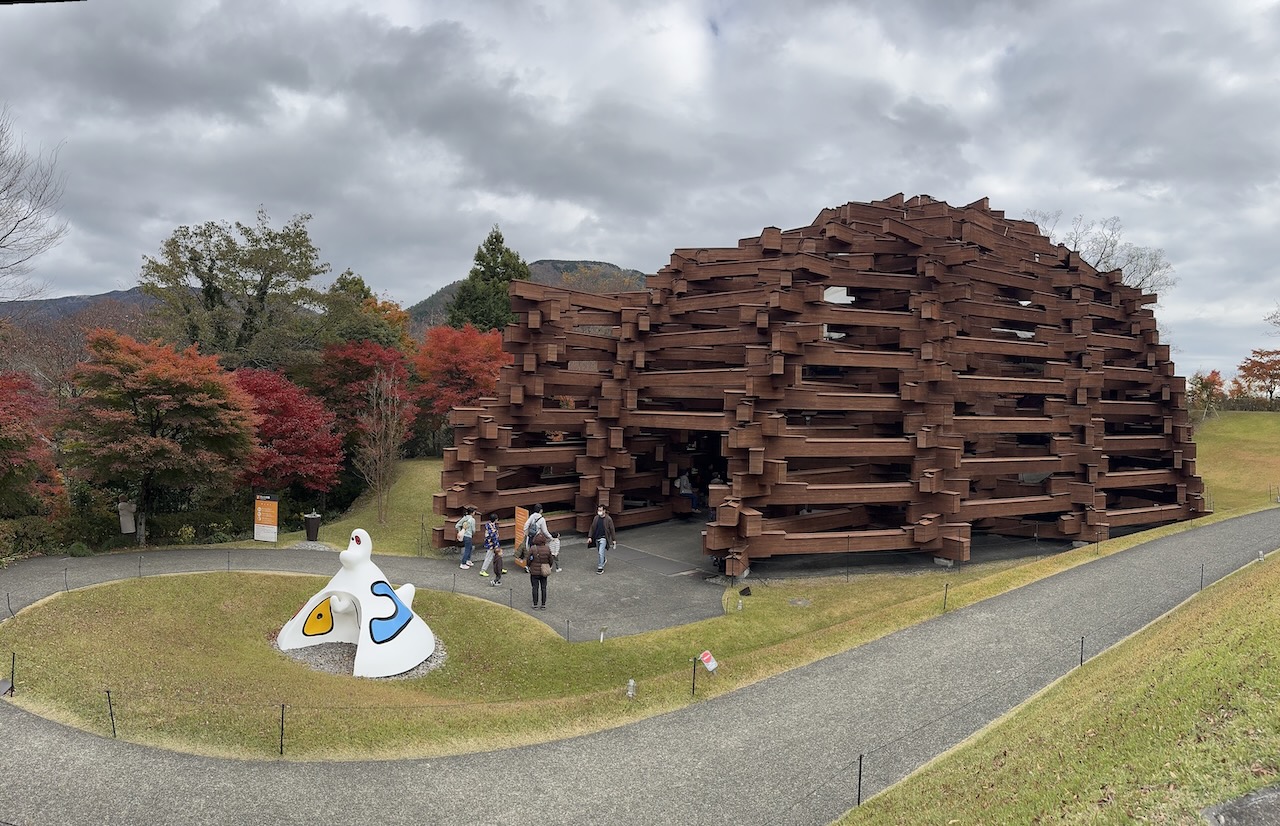
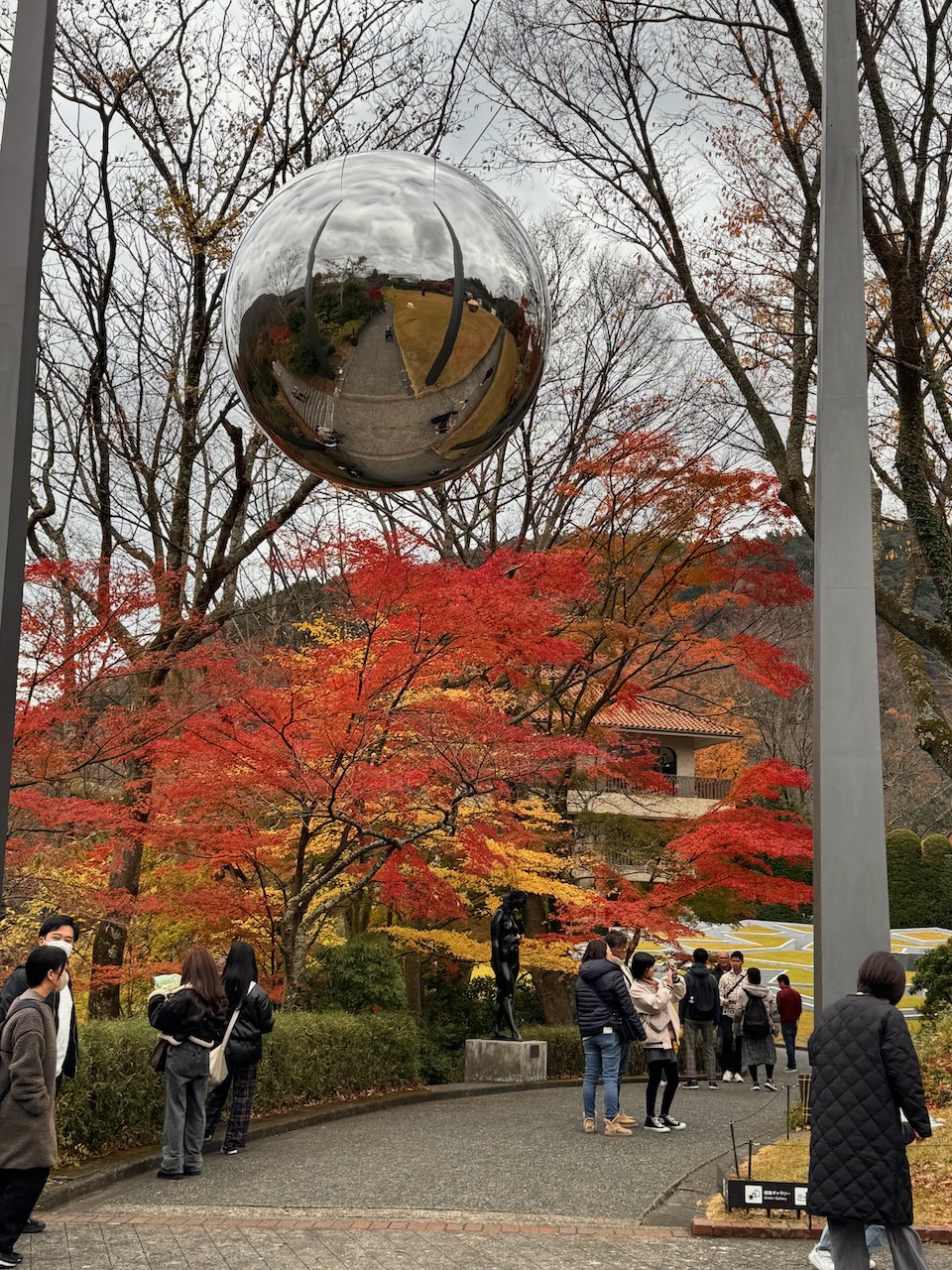
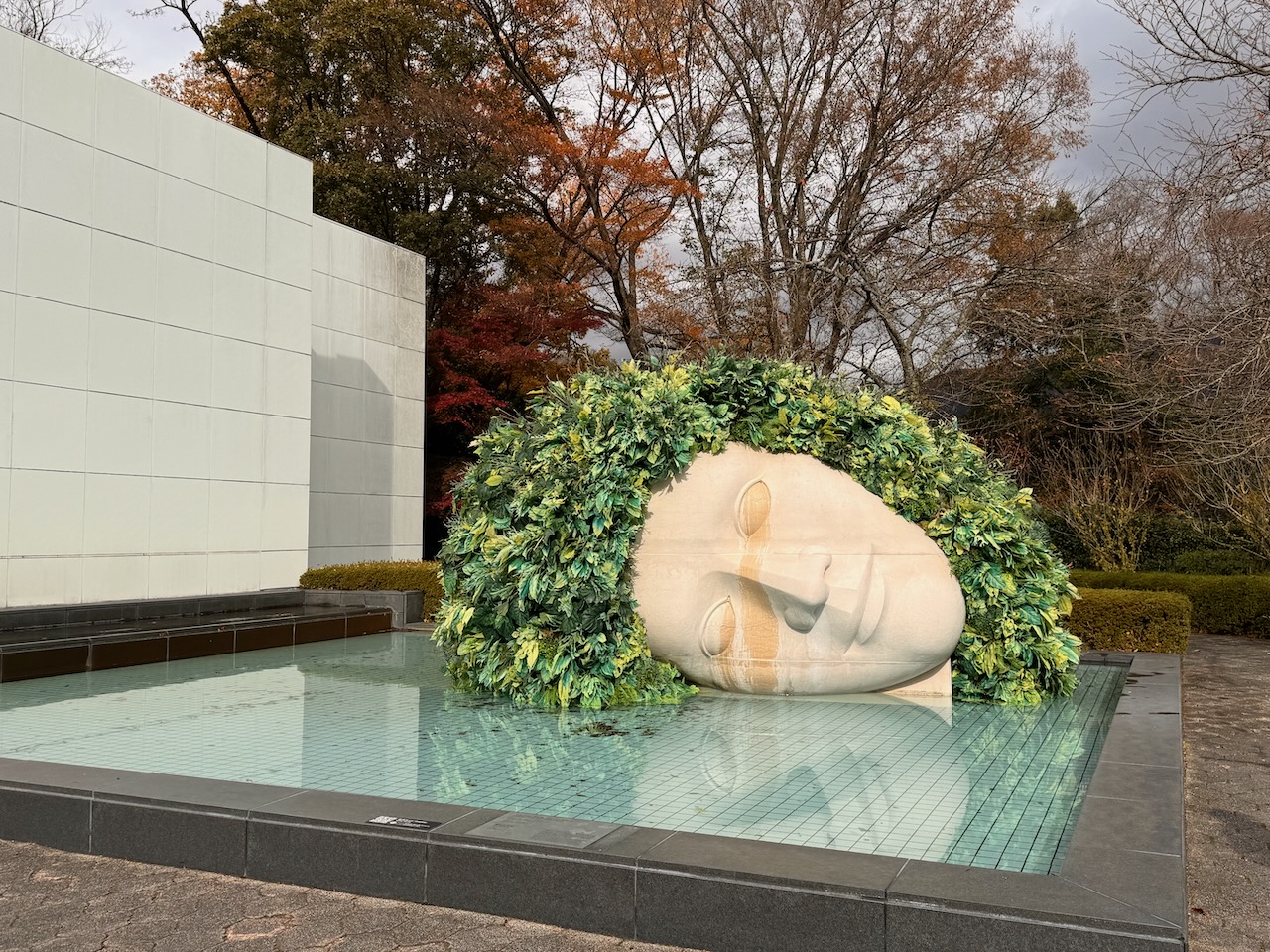
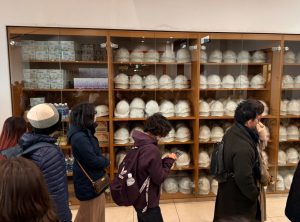
We could have filled most of a day at the Open Air Museum. However, the original notion was to go up to the top of the Mt Hakone next. The peak was visible but due to the mostly overcast conditions we knew there would be no view of Mt Fuji today. Sticking to the plan, we walked to Gora Station to wait 30 minutes to catch the Tozan Cable Car (like in SF) to Sounzan station where we waited at least 30 more minutes to board the Hakone Ropeway (more like a gondola). As suspected, no view of Fuji. After a brief stay at the top we entered another 30 minute queue to return to the bottom, landing at Lake Ashi.
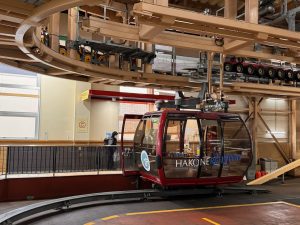
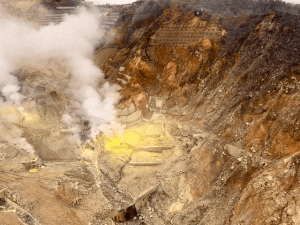
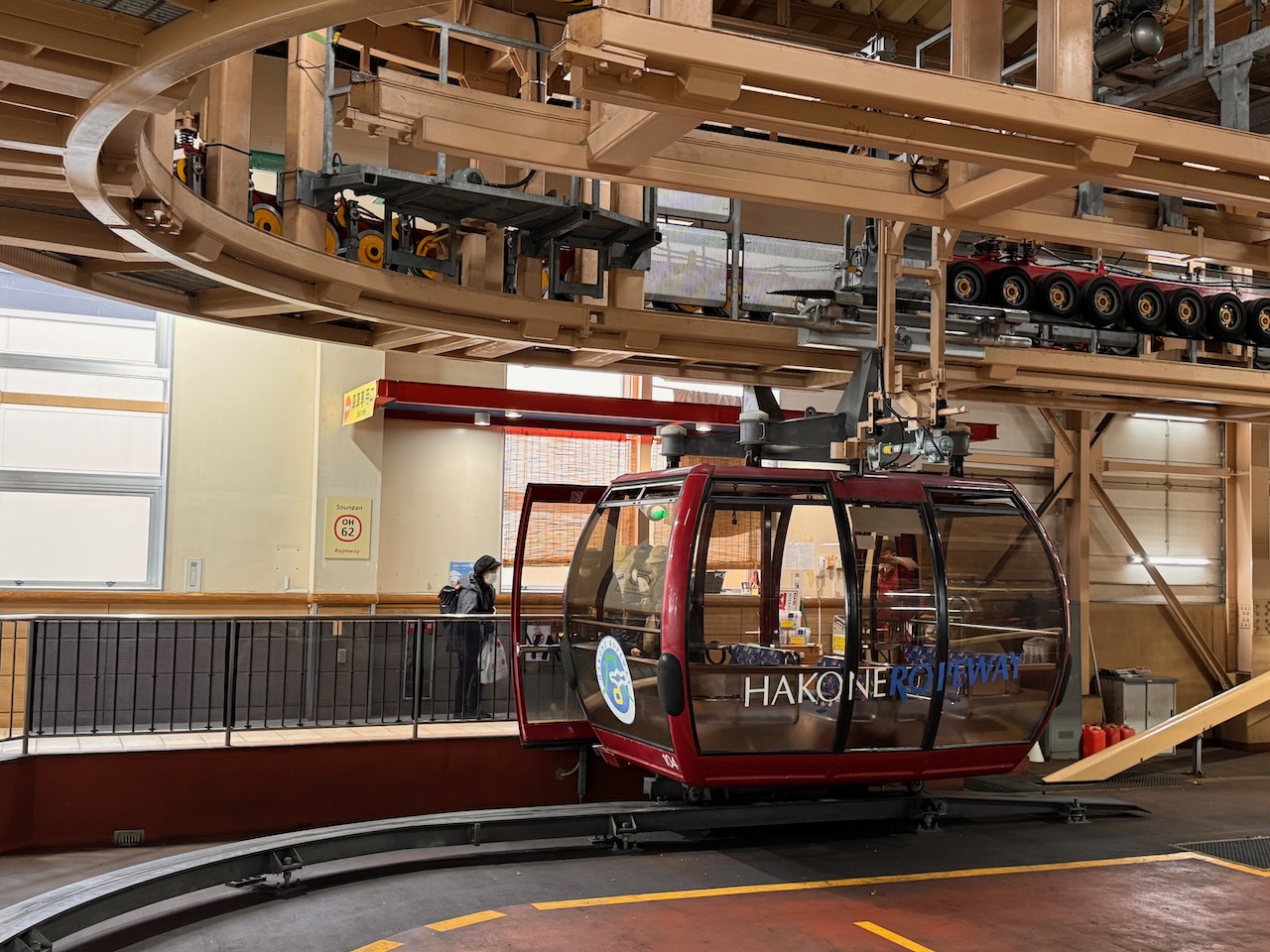
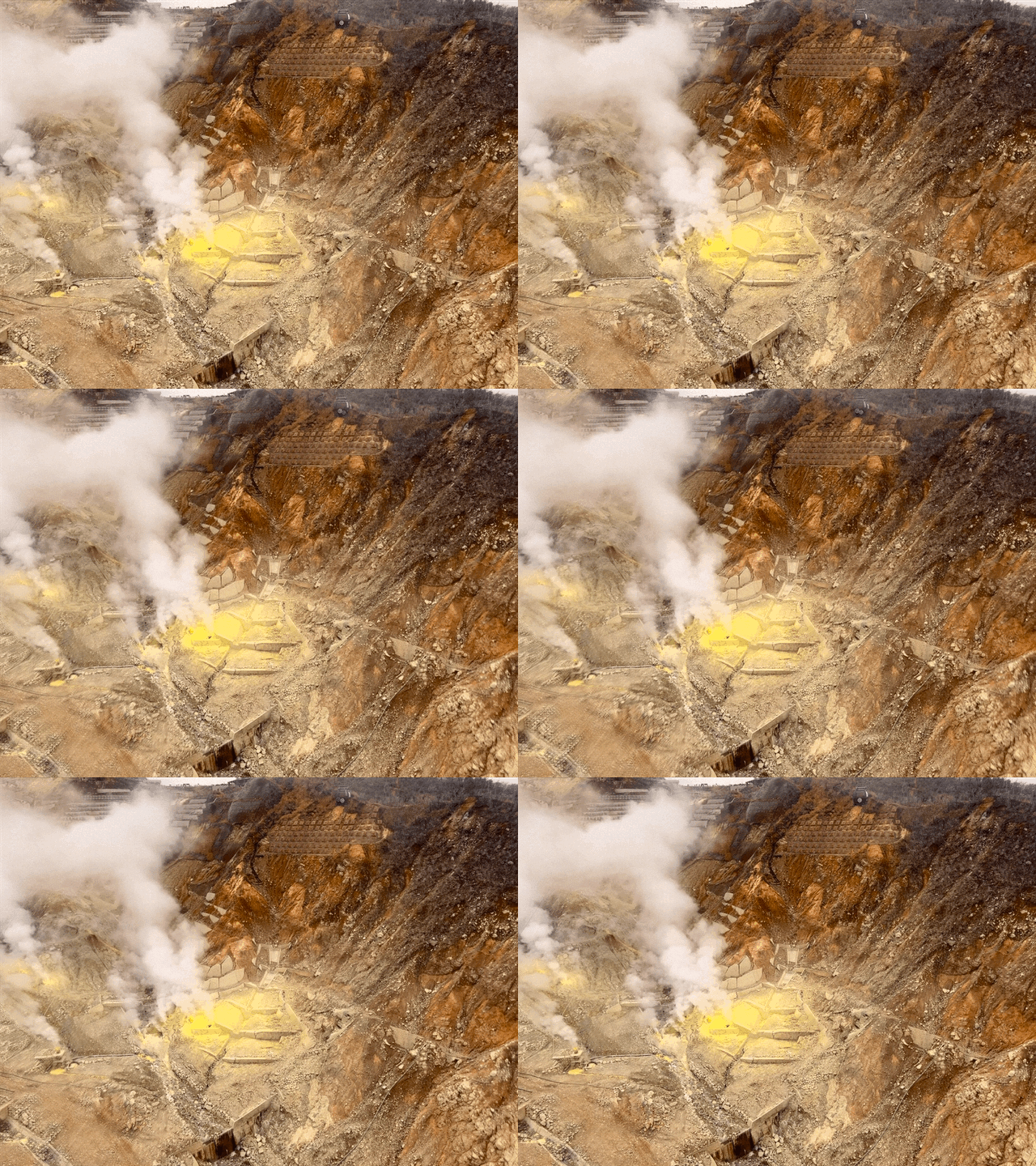
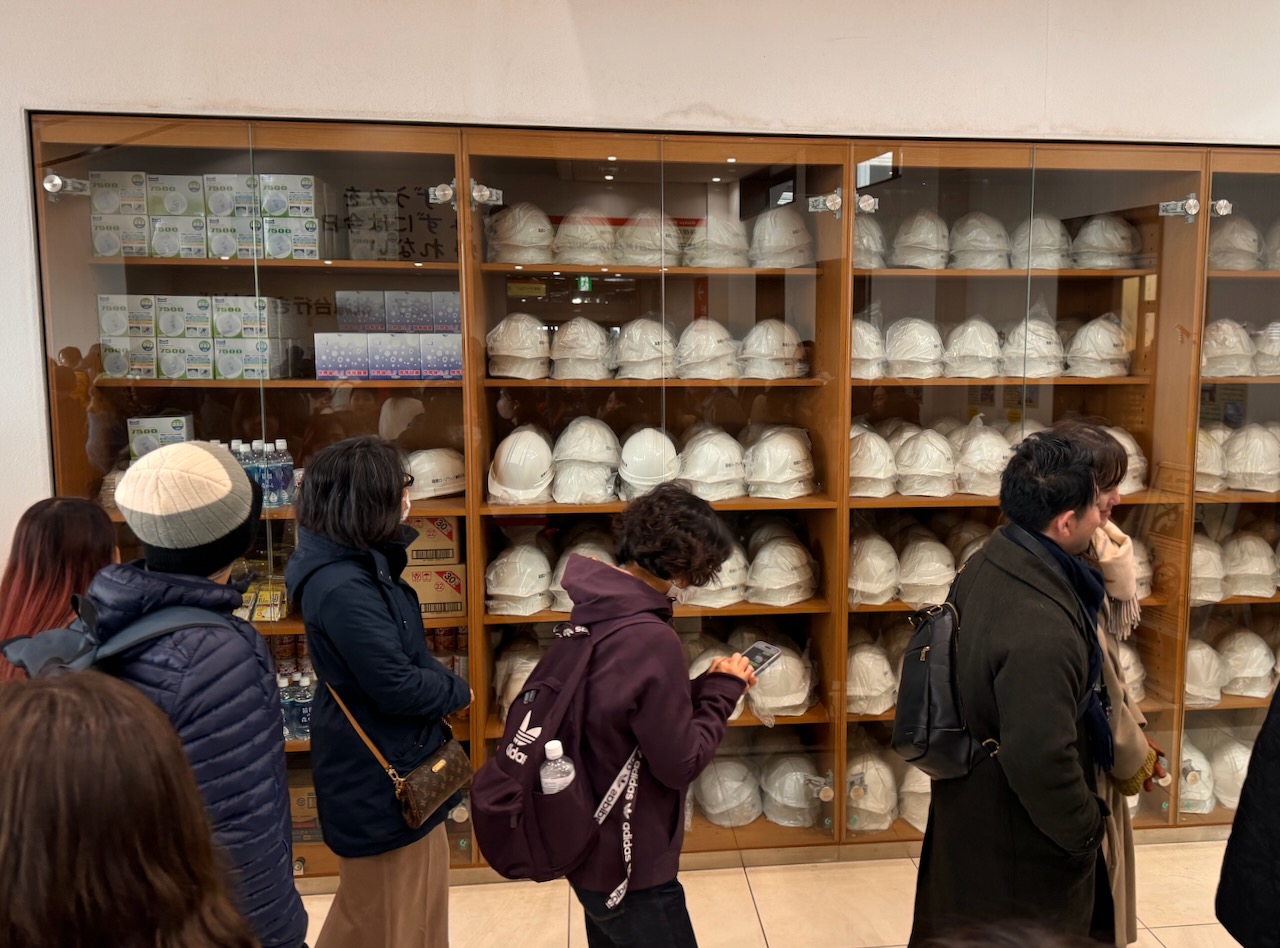
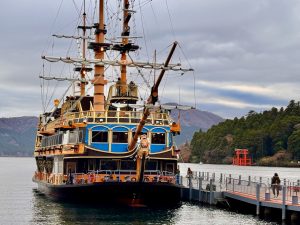
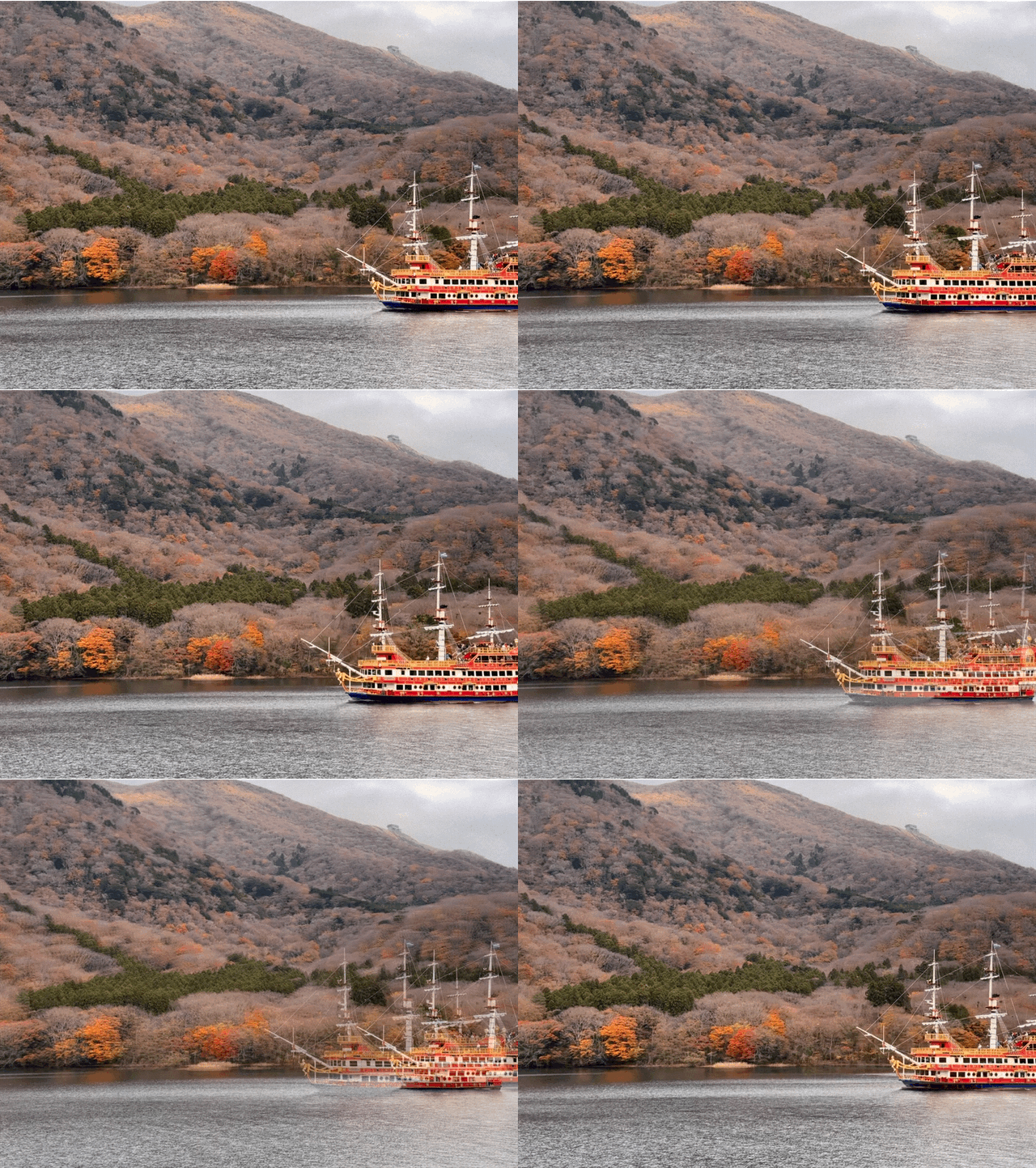
At Lake Ashi we had to catch the not-so-infamous ‘pirate ship’ across the lake to walk some of the Old Tokaido Road. On a fine day, this might be a pleasant sail but today there was a cold wind blasting through the valley so standing on deck was a teeth-chattering affair. Good news…no queue to board!
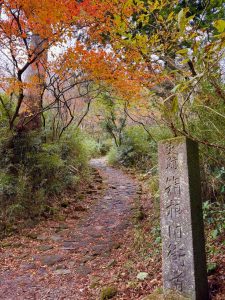
The Old Tokaido Road is one of the most famous and well used trails in Japanese history. With the rise of the Tokugawa clan to power in the late 1500’s a new government capital was established in Edo, modern-day Tokyo. The imperial and cultural heart of Japan remained in Kyoto, but it was the new capital that would become the seat of economic and political power. The Old Tokaido Road (which means East Sea Road) connected the two cities and became the main route for travelers, couriers, and regional lords traveling to the capital. Hakone has one of the best-preserved sections of the road with many historical and cultural sites along the way that date back centuries. The walk was secluded and very atmospheric. Given the late hour of the day, we walked as far as the Amasake Tea House, a 400 year old establishment providing refreshments and a bus stop in each direction. We weren’t sure which direction to head so we agreed to take the first bus that arrived, and this was in 15 minutes. This bus terminated at a bus station by the lake. Whereupon we again had to decide on a bus; the queues for both were long because it was nearly dark and all the tourists wanted to get back to their hotels. It was another hour of waiting and travel to make it back for dinner on time. We did it…but just barely.
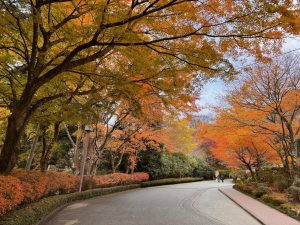
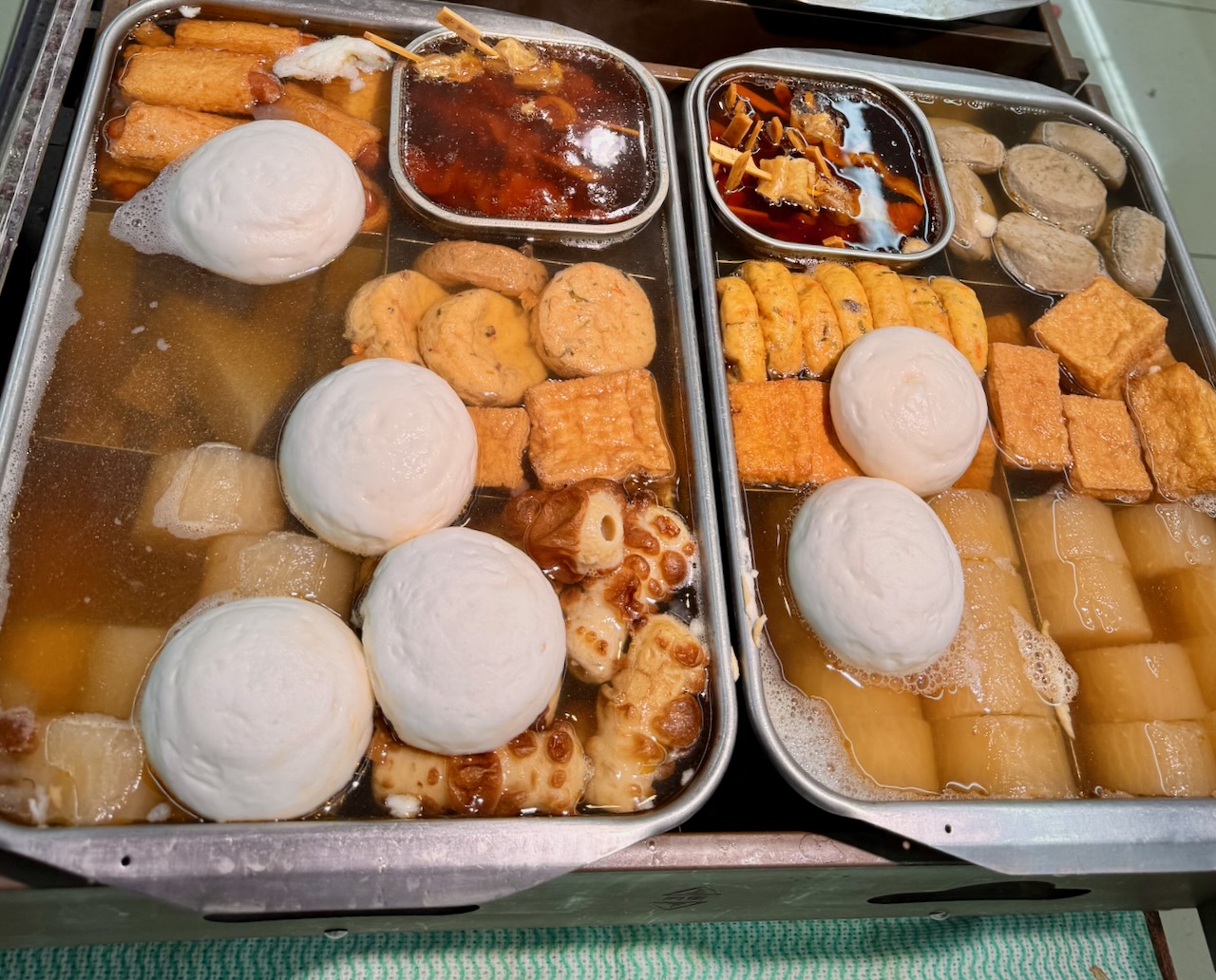
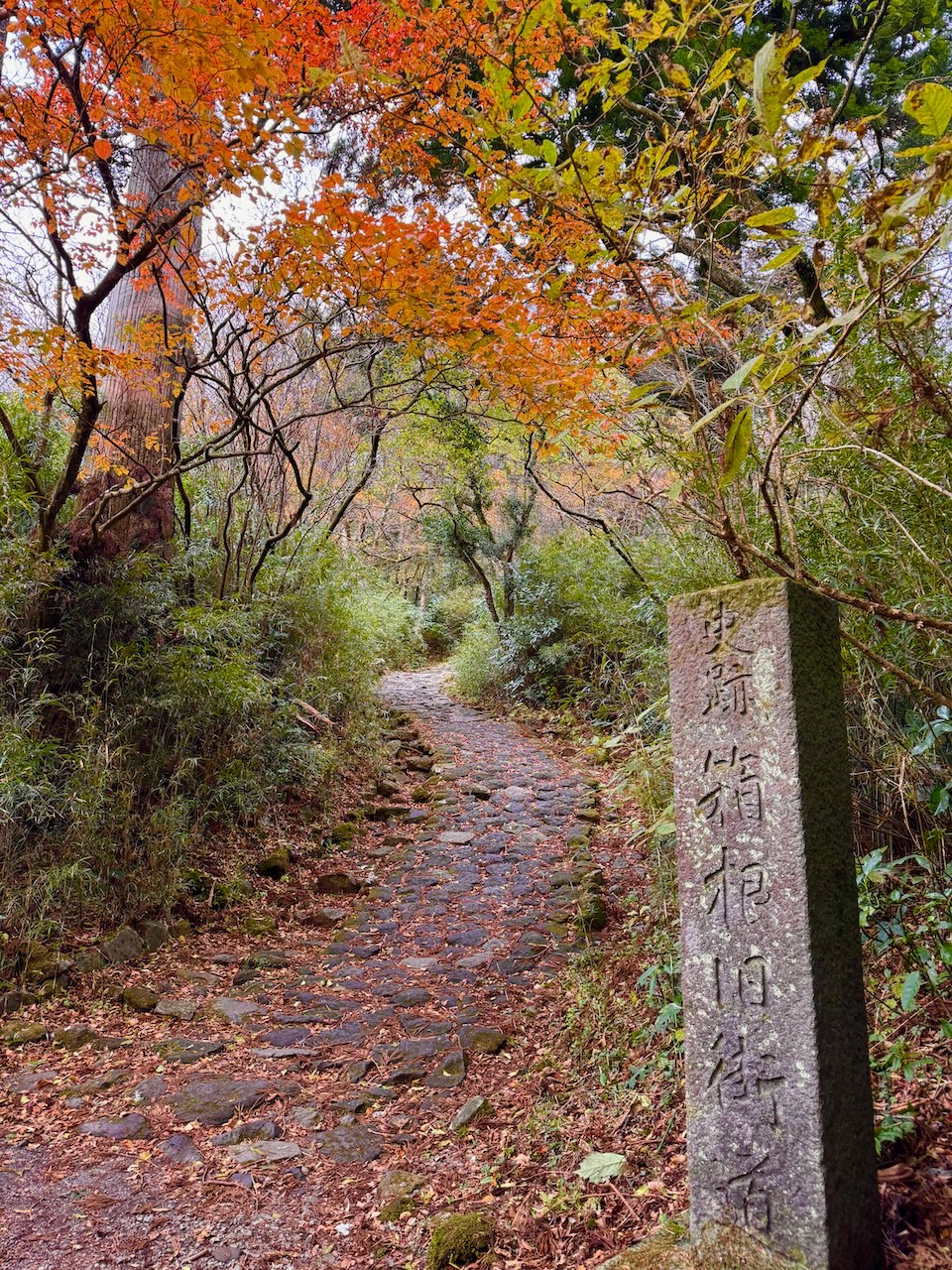
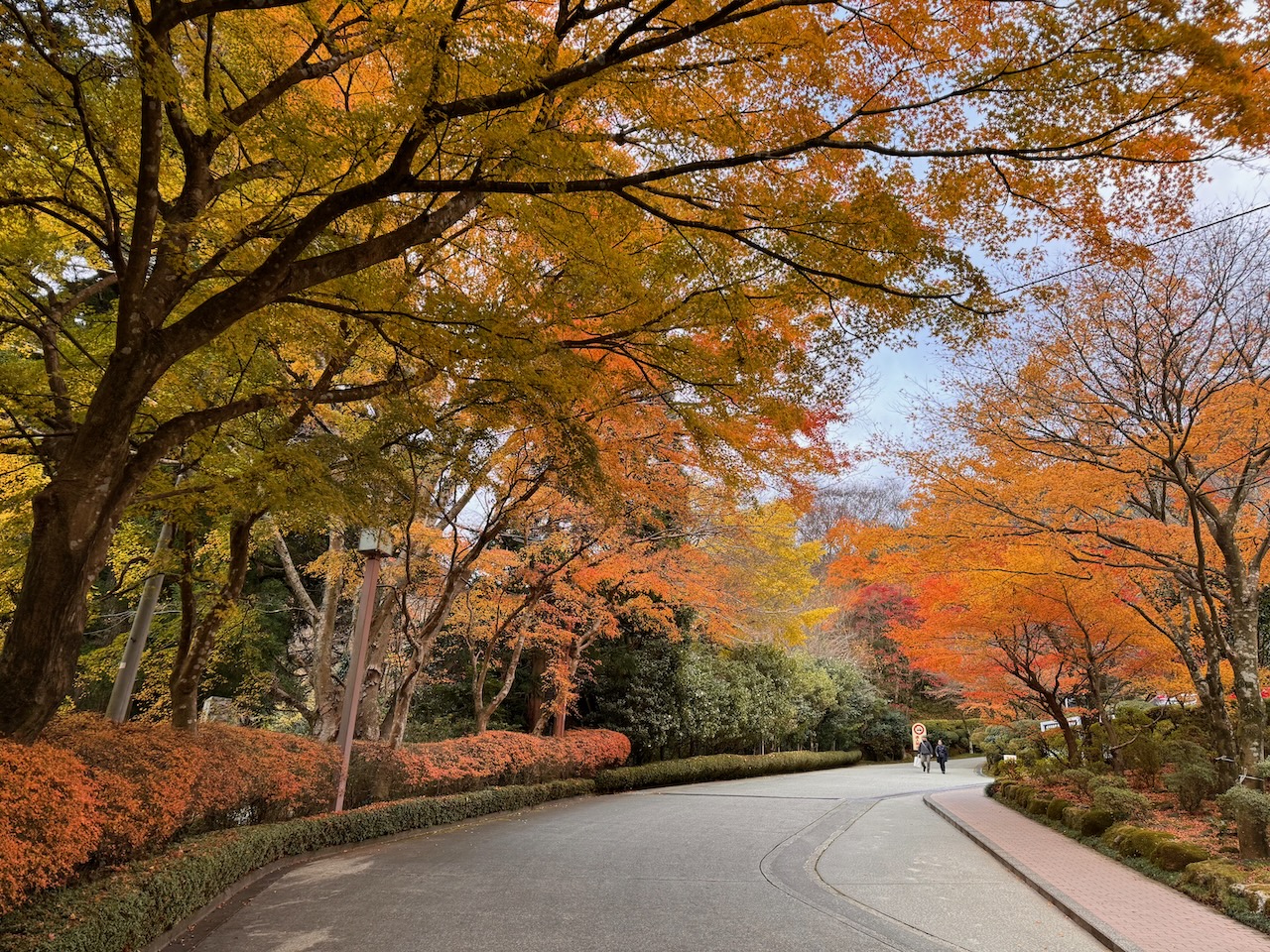
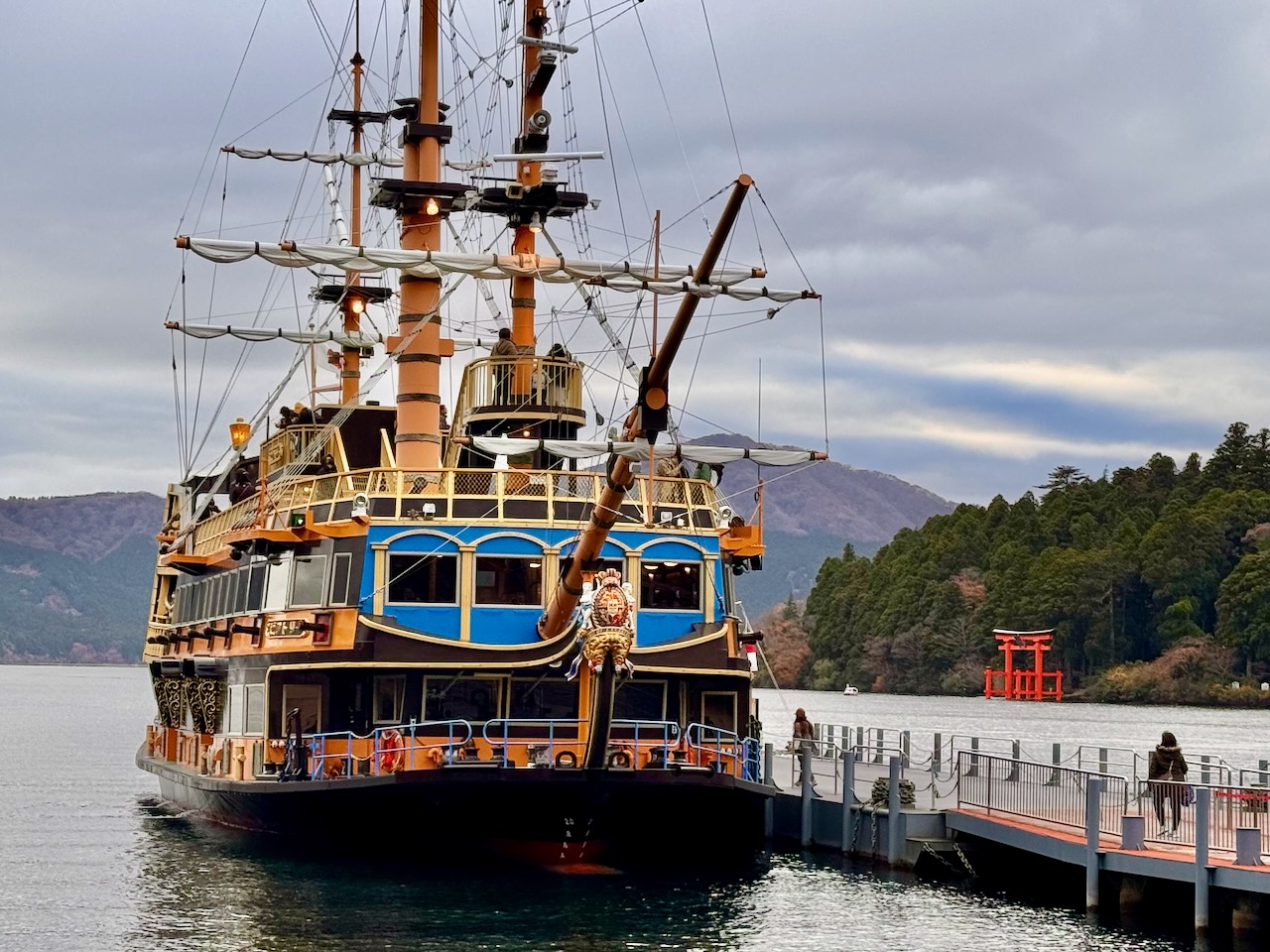
Hakone would be a spectacular if it had been better planned. Traveling by bus has its challenges, mostly because the route destinations are not in English. If we had at least another day, or had a guide to accompany us, we might have enjoyed the experience more. Waiting a couple hours in queues and walking sometimes aimlessly was not much fun. With the exception of the Old Tokaido Road, we were doing the typical tourist activities: the Open Air Museum, the Hakone Ropeway and Lake Aisha, all worth seeing, but in a timely fashion.
5 thoughts on “Hakone”
Hakone was perhaps my favorite stop during our month in Japan. We did it in one day by taking an early train there and a late bus home from the south end of Lake Ashi. I coulda/shouda spent a week there.
Oh my, Mary and Joe, this brings back such memories! The glorious reds and golds of the ginko biloba and the maples, the beauty of Mt. Fuji against that stunning blue sky. I think I told you that we waterskied at the base of Fuji. At the time I thought it was called Lake Hakone, but now I see it was Lake Ashi (or “Ashinoko”). It might have been on that same outing that we headed north from Hakone to Karuizawa, for the 1964 Olympics (the equestrian events, of course, for this “horsie girl”!). The Hakone Open Air Museum looked fabulous. You guys did a great job of maximizing your experience in Hakone, given your precious limited time. And, as you said, you can always return!
Those Autumn colours ! 🌟
And that food and the presentation of it! 🌟
Hi Mary Joe, thanks again for sharing the great the photos and commentary of your visit. Add to the the food and its like being there. Enjoy the rest of the Japan adventure. Cheers
Hi Mary and Joe
Everytime you send us where you’ve been, you make us wanting to be there with you. Those beautiful places and those gardens… And also the food looks delicious.
Thanks dears for sharing those days with us.
Love you both xxxx