48 Hours in Tokyo
It was nearly time to bid Japan farewell but we had two nights to discover more in Tokyo. On this, our second visit, were better prepared for the overwhelming nature of this metropolis. This time Inside Japan housed us in a totally different area, the incredibly bustling, extremely youth-oriented Shinjuku. The Groove Hotel was actually home to a massive entertainment center on the lower levels which we may have enjoyed just for kicks, but we had another agenda. It was raining lightly when we arrived from Hakone at Shinjuku station. We had booked a sushi-making class this afternoon so we decided to taxi to the hotel, leave our bags and continue on to Cooking Sun. Our driver agreed to wait since I would remain in the car, meter running. This was a good idea except Joe had to navigate the maze of lifts to reception on the 18th. There were three and they were all located in different parts of the building.
At the kitchen there were two cooks and six participants, all fun types, especially when two unrelated folks agree to trade their salmon for prawns and prawns for salmon.
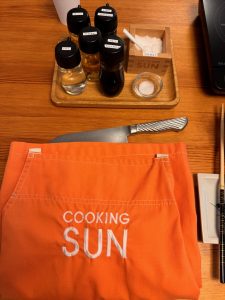
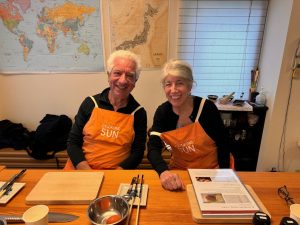
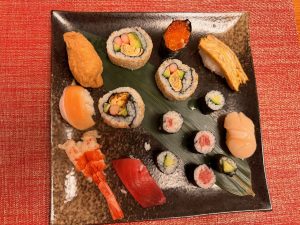
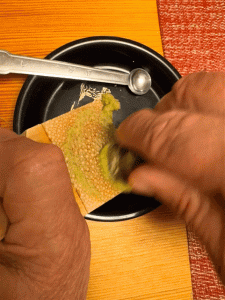
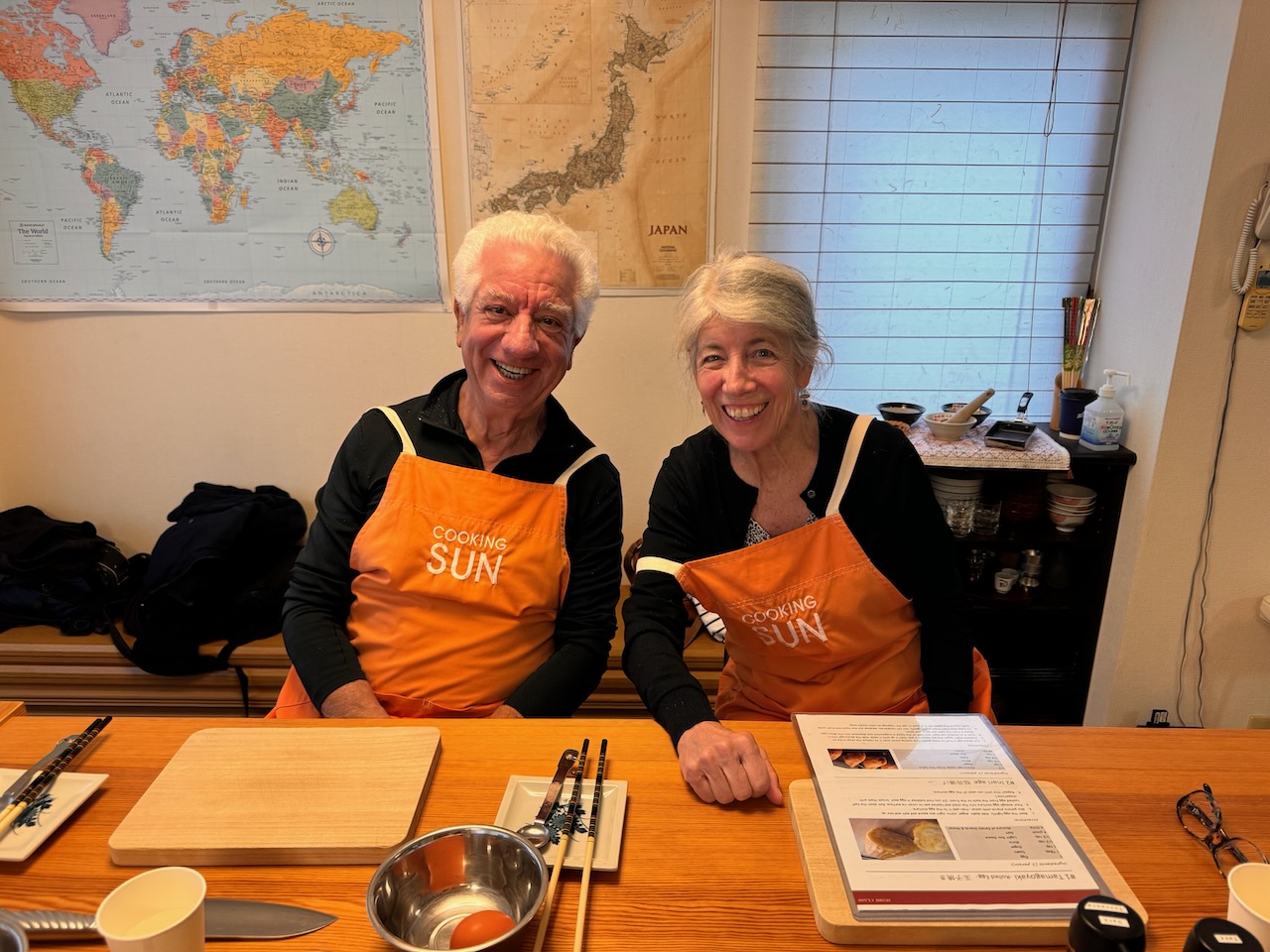
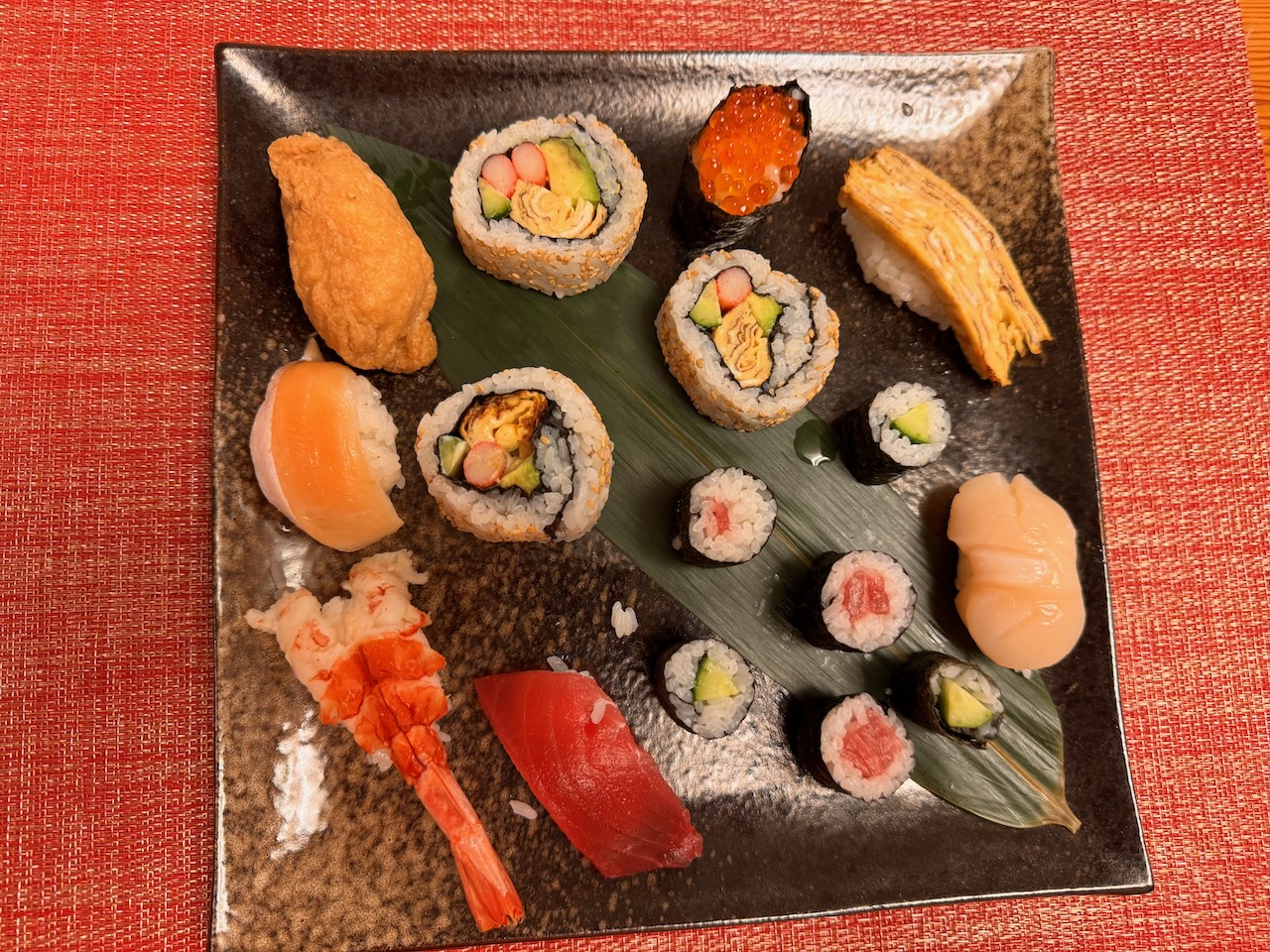
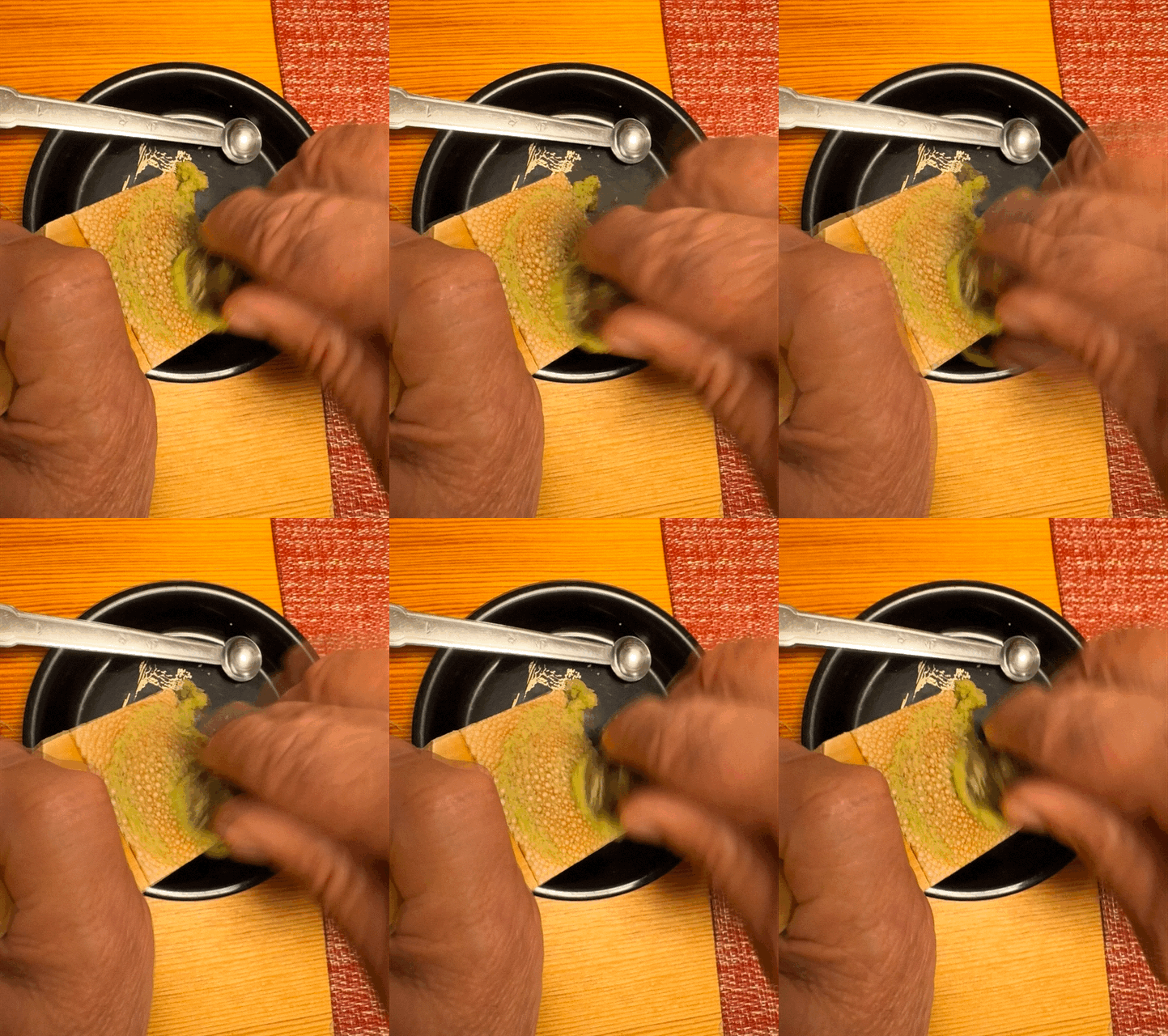
Rolling sushi in action
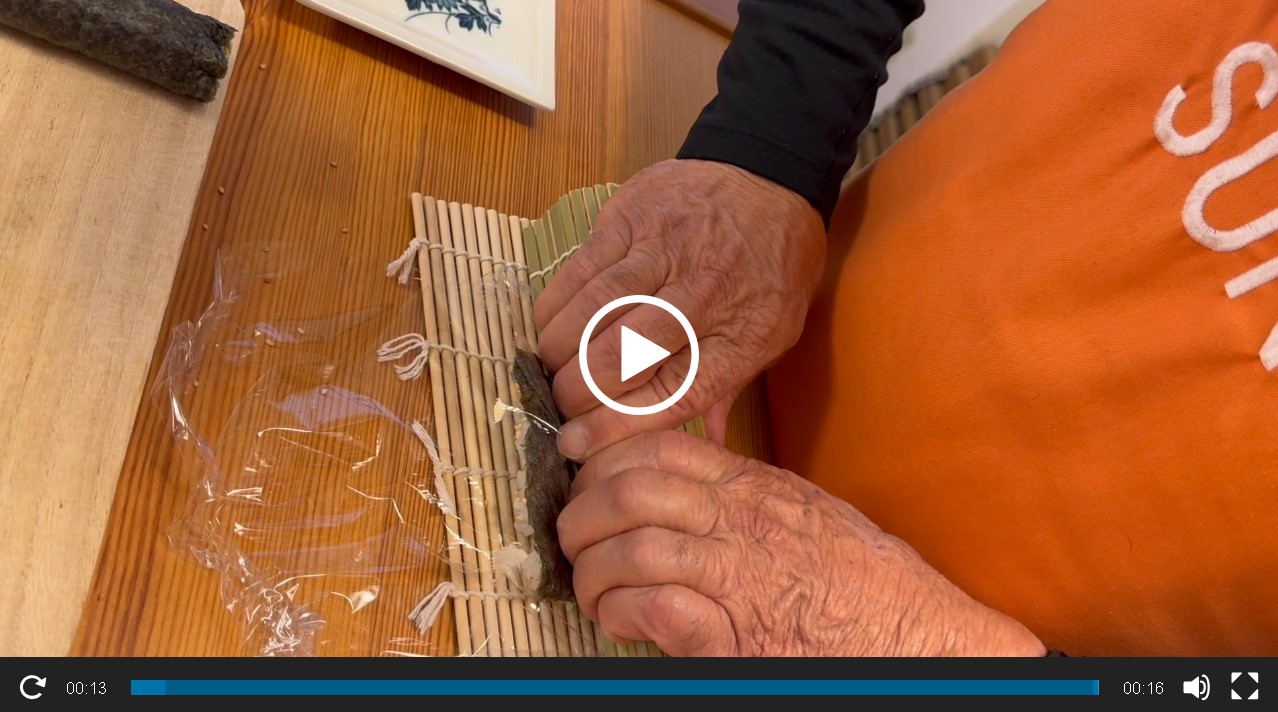
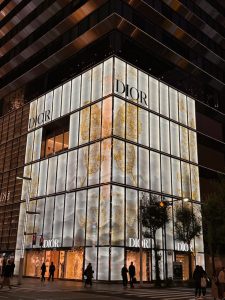
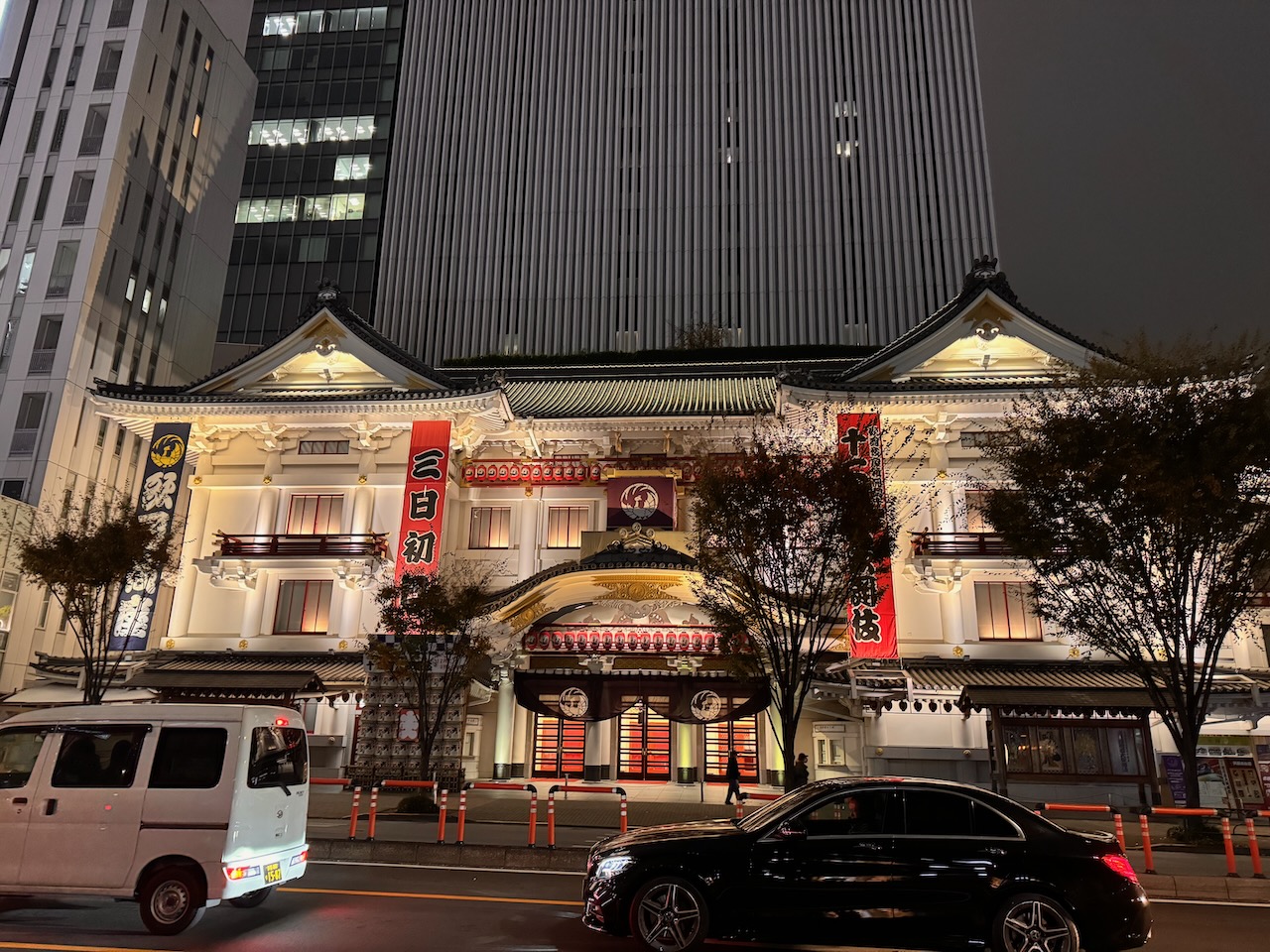
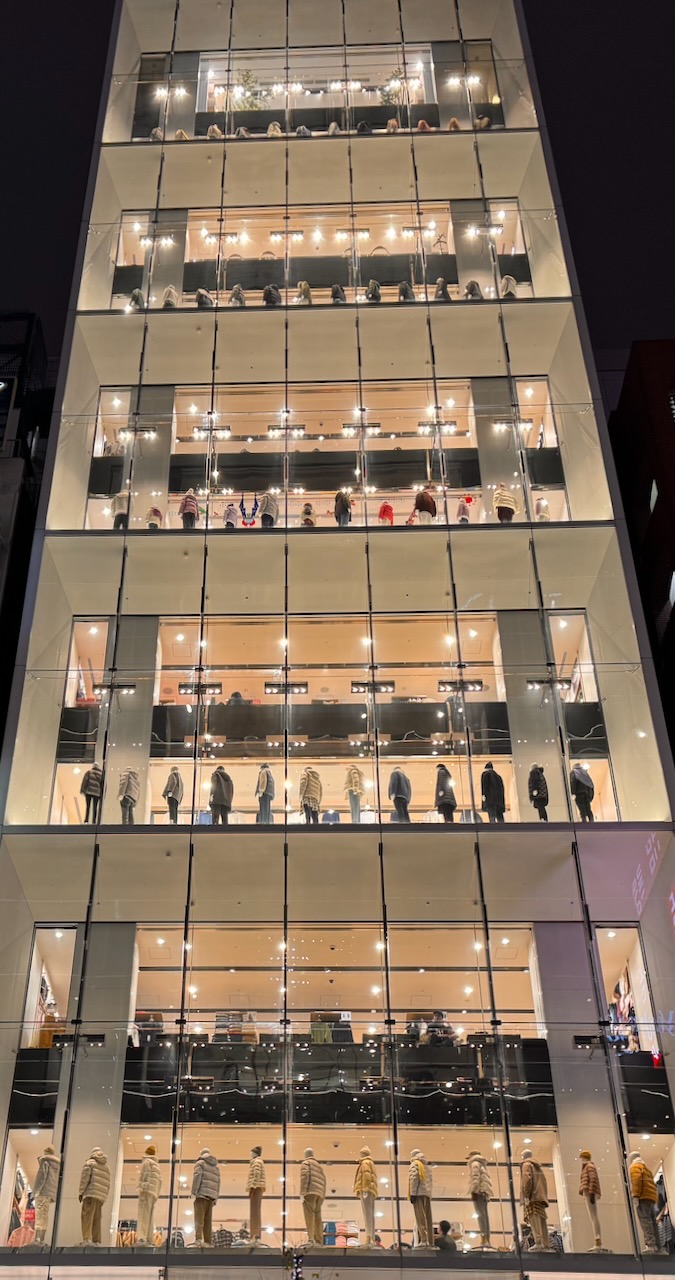
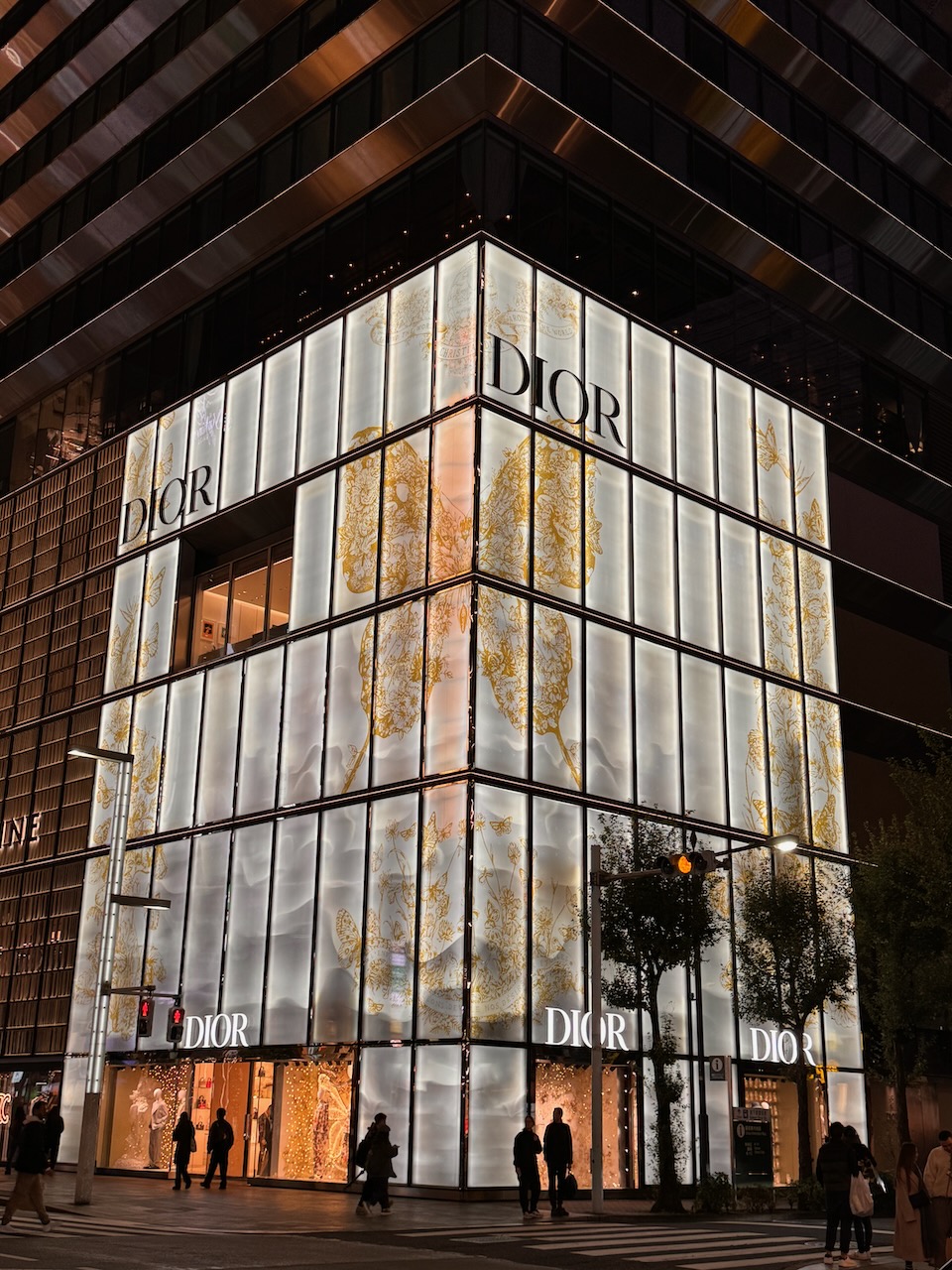
Our sushi class and meal was finished early enough in the evening to allow us time to check out Tokyo’s glamorous shopping district, Ginza. Packed with upmarket boutiques, ritzy cocktail bars and fine jewelry stores, I wasn’t terribly disappointed to find most establishments closed on Sunday evening.
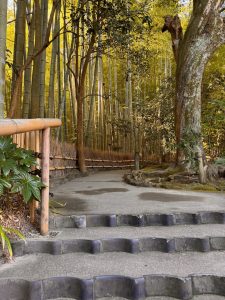
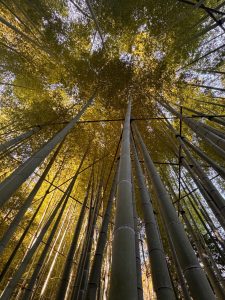
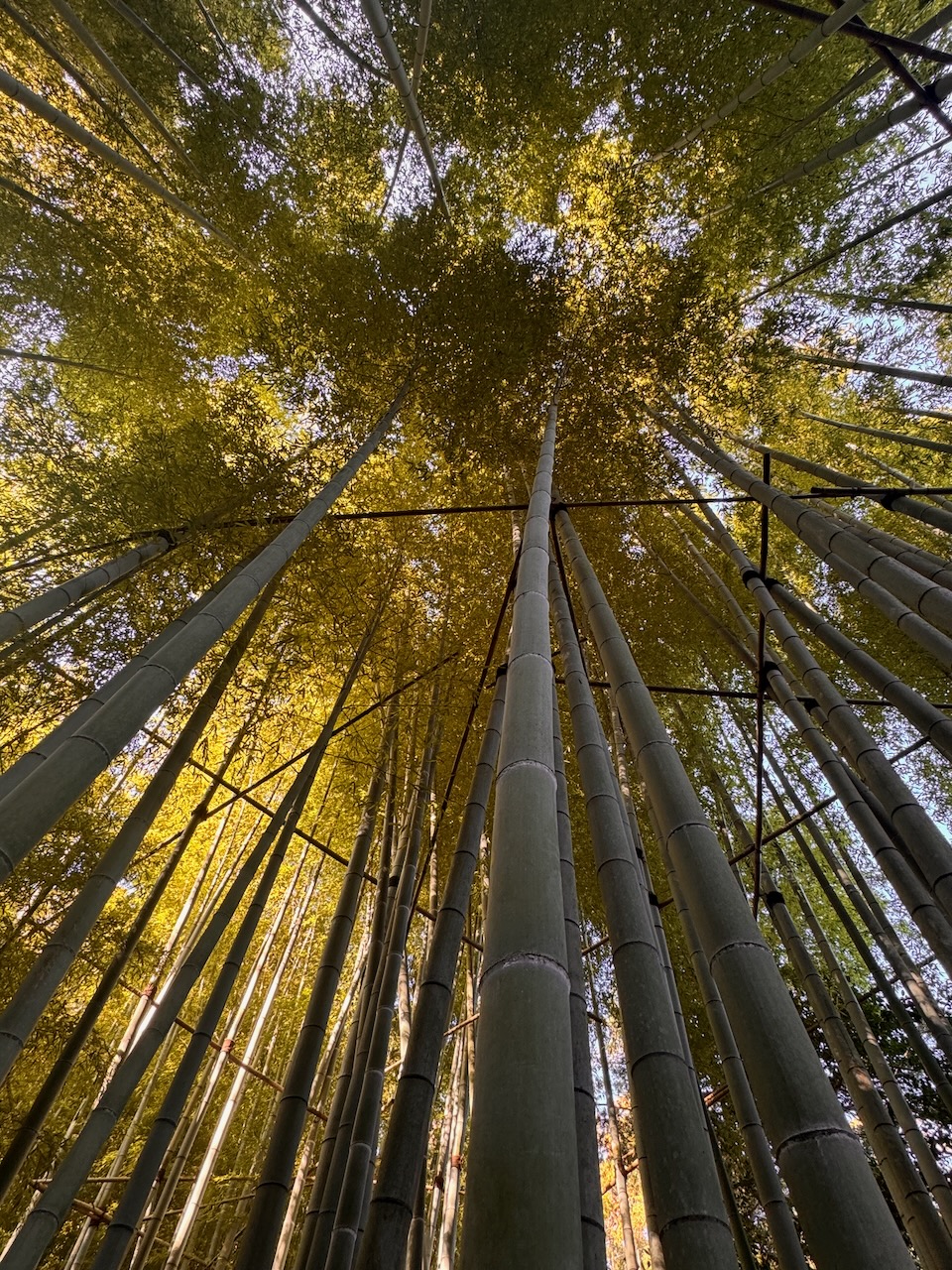
Our Finnish friend, Riitta, recommended a visit to Kamakura, a seaside city not far from Tokyo. We took a train in the morning, picked up a map when we arrived and were recommended best places to while away the brilliant day. We visited a few shrines and temples but the first and the last made the greatest impressions. Hokokuji Temple we loved for its serene, pretty bamboo grove, with sunlight filtered by the long stalks.
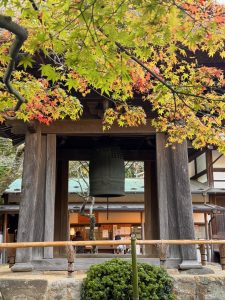
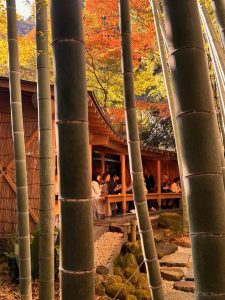
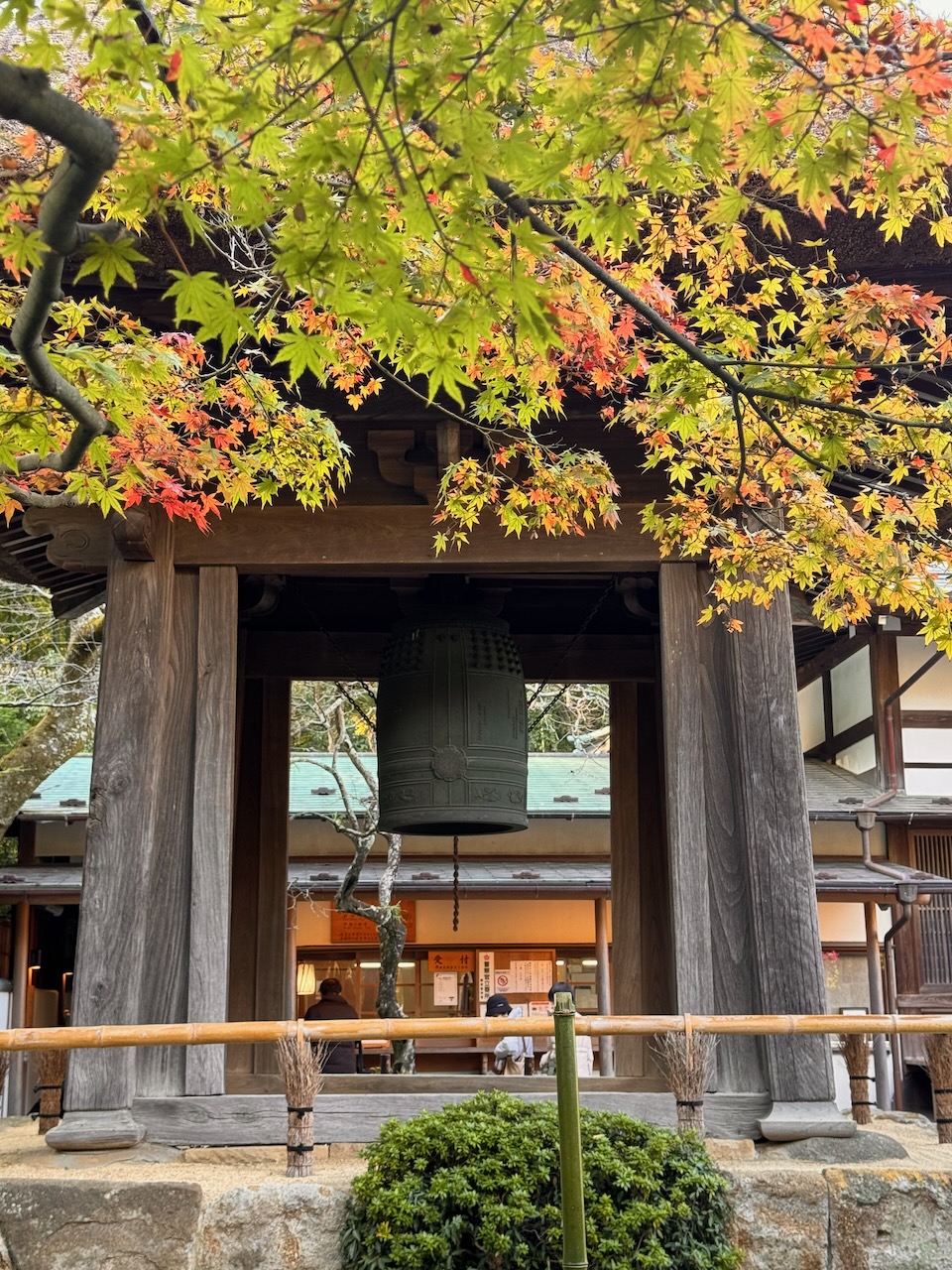
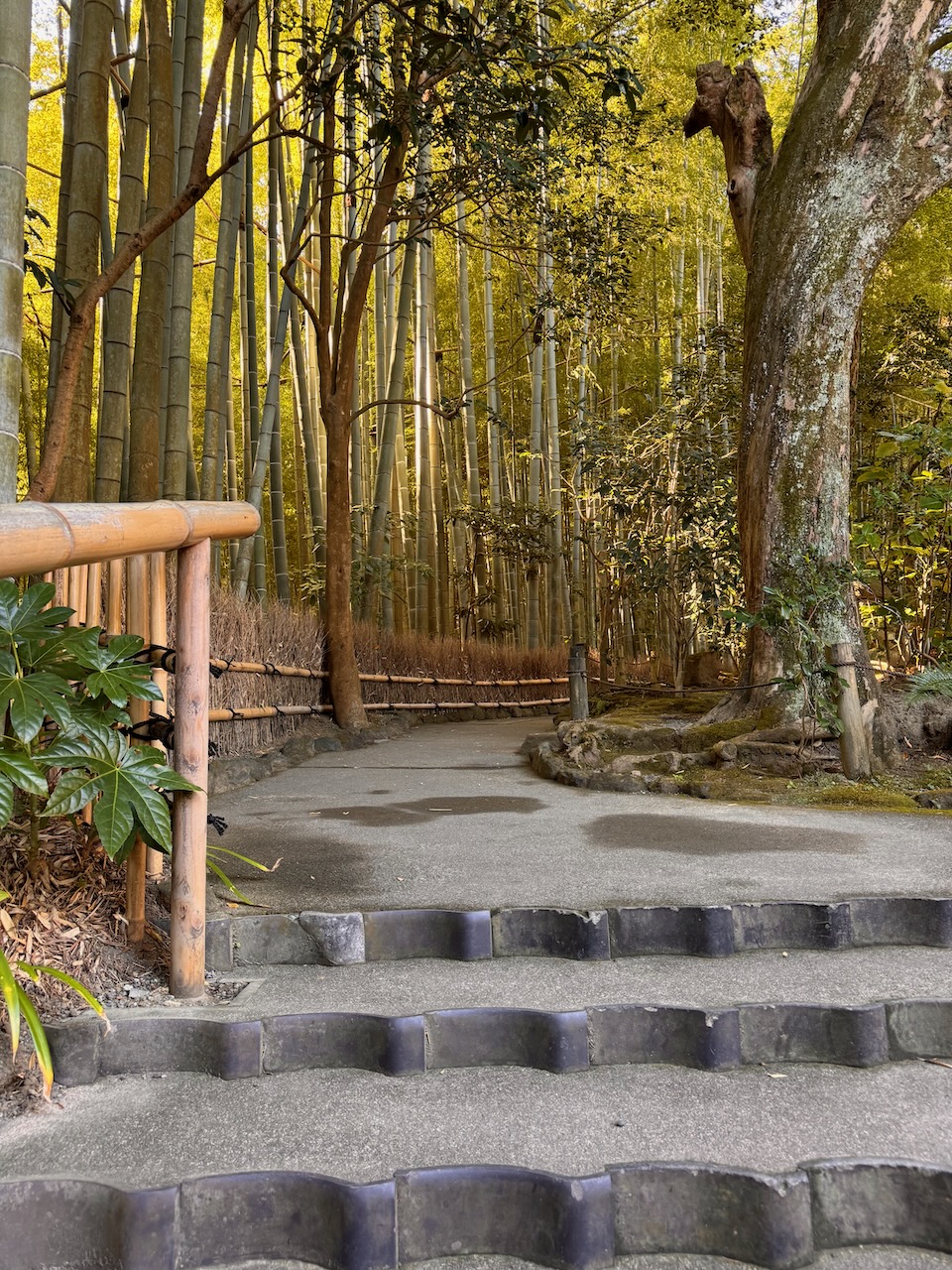
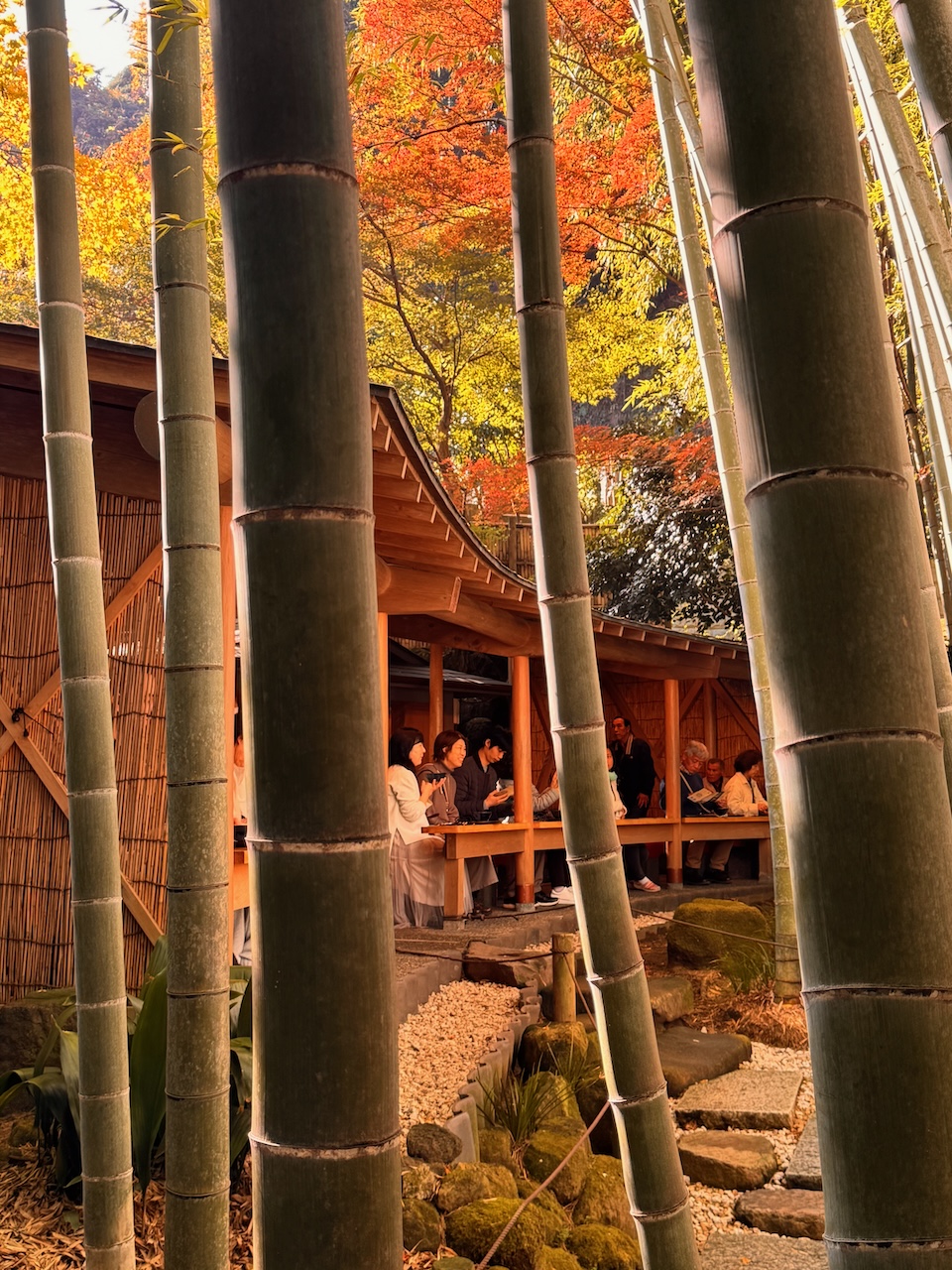
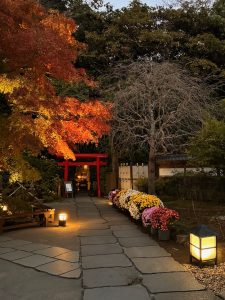
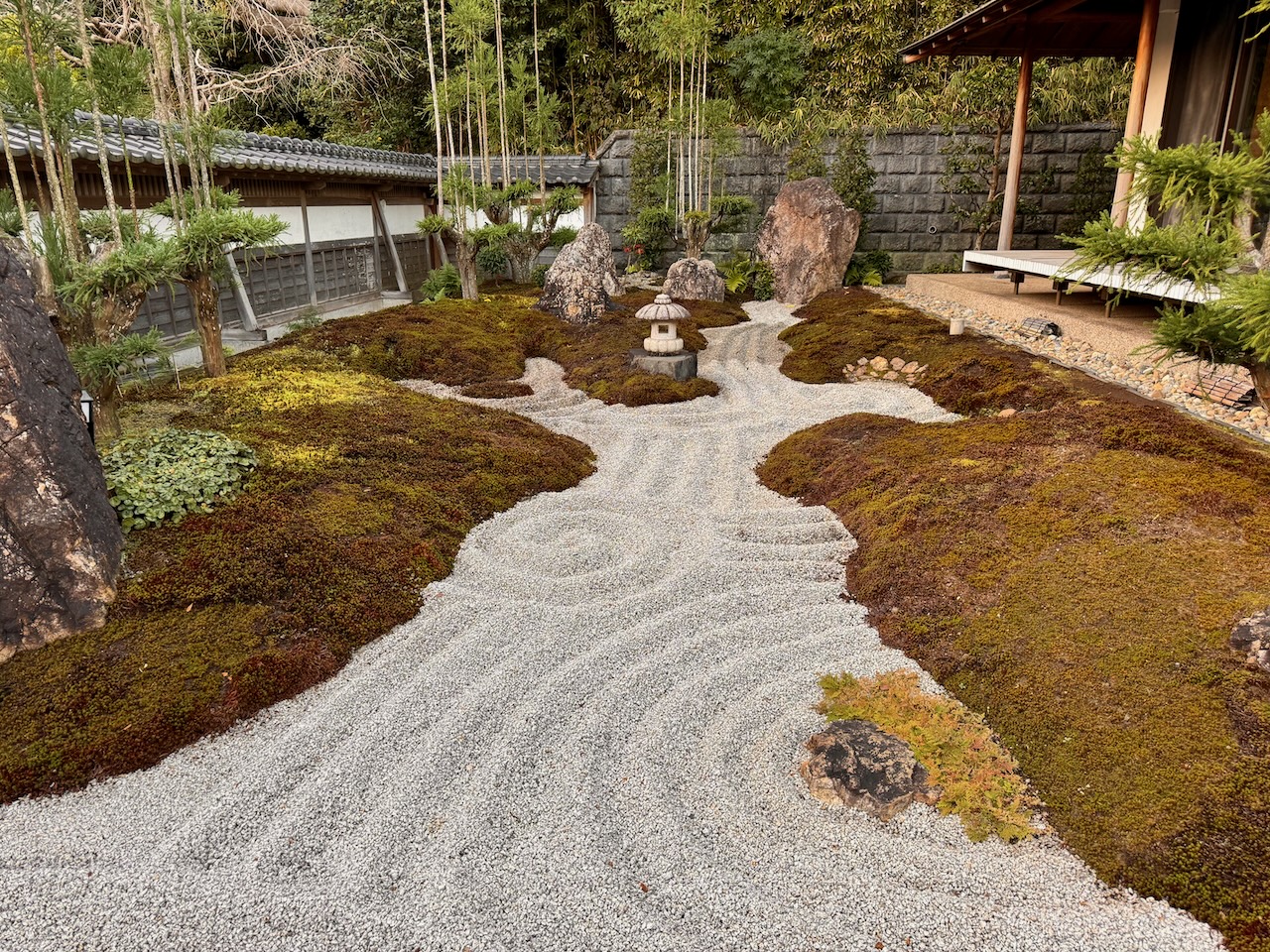
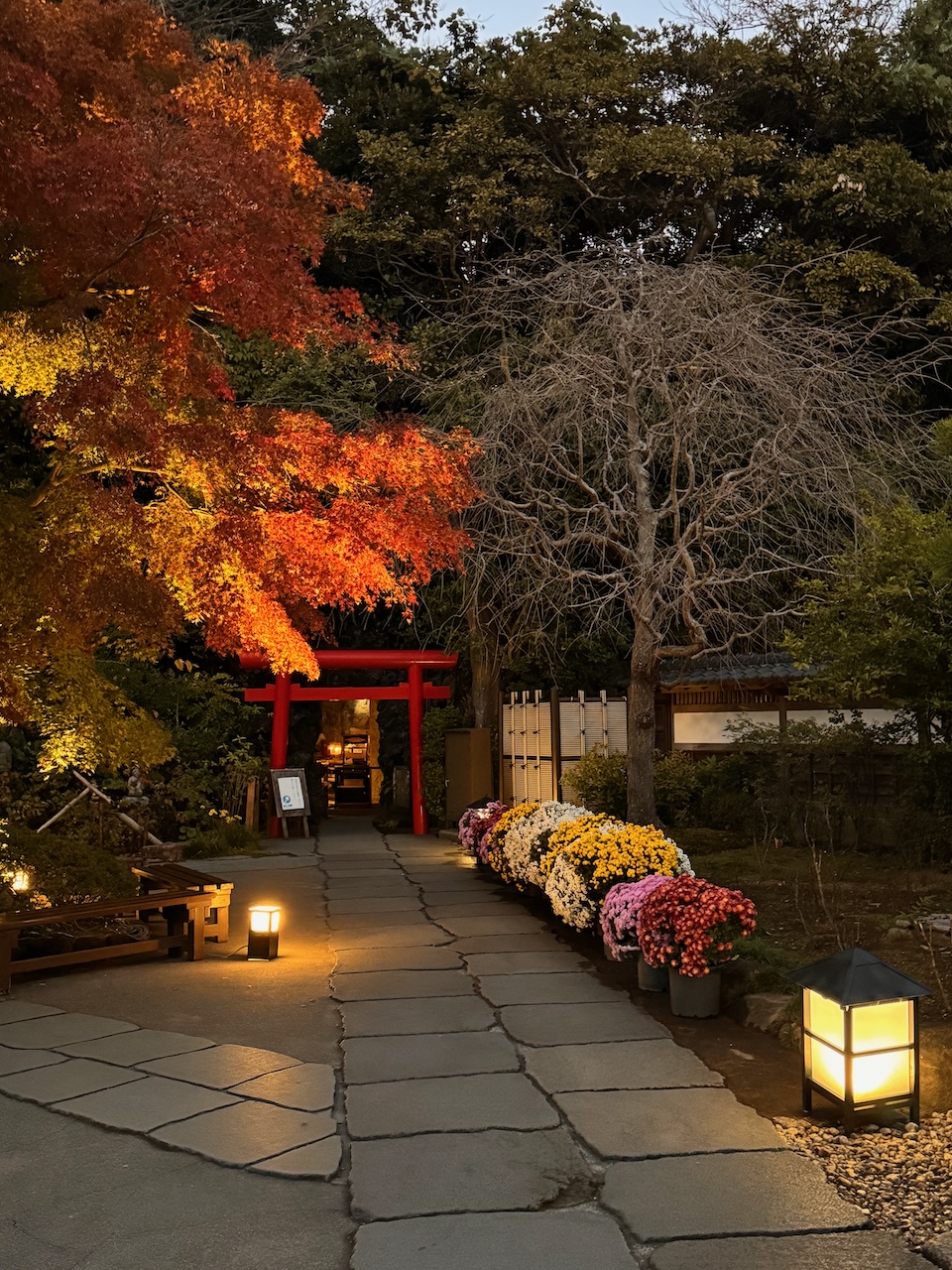
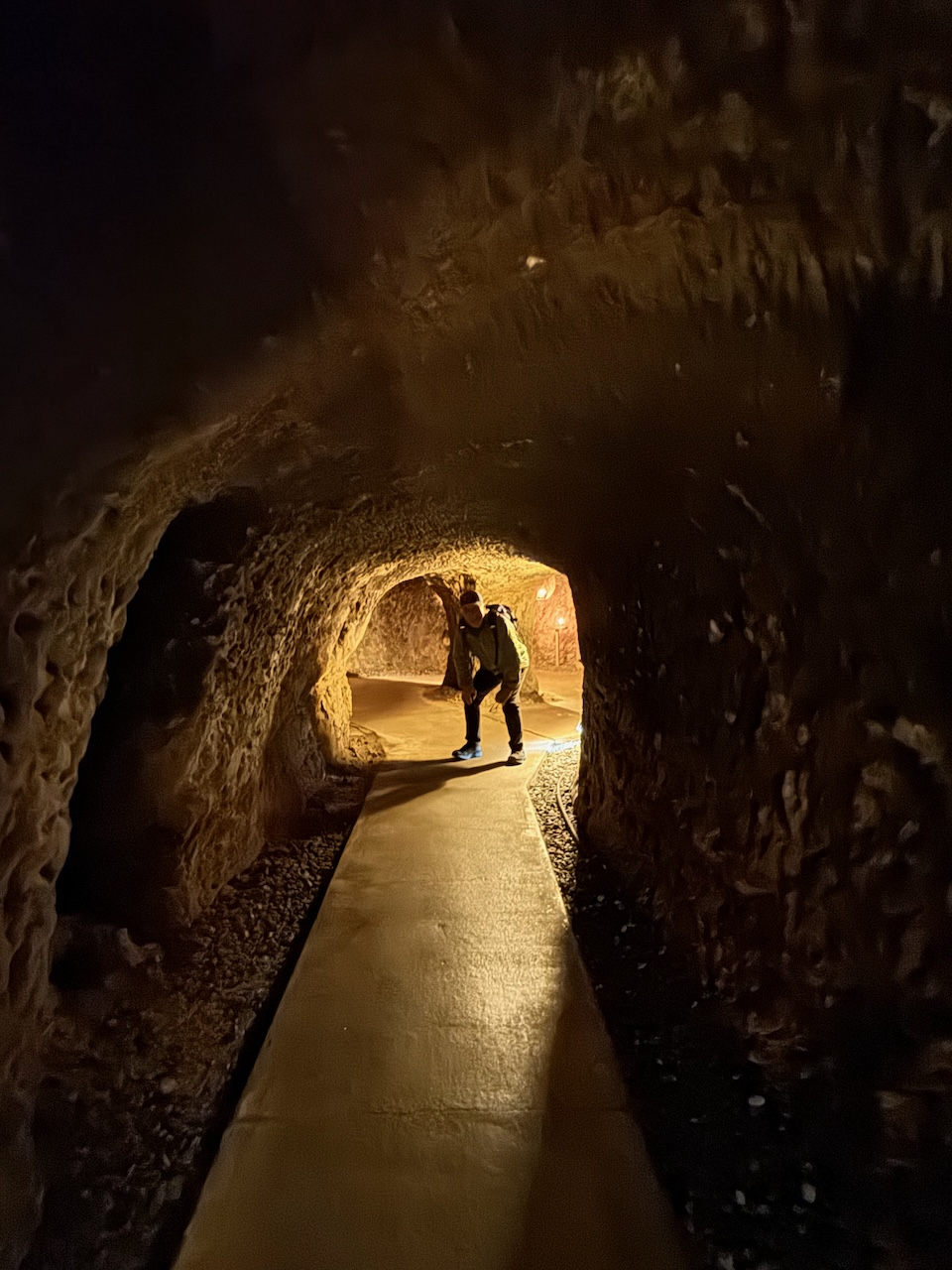
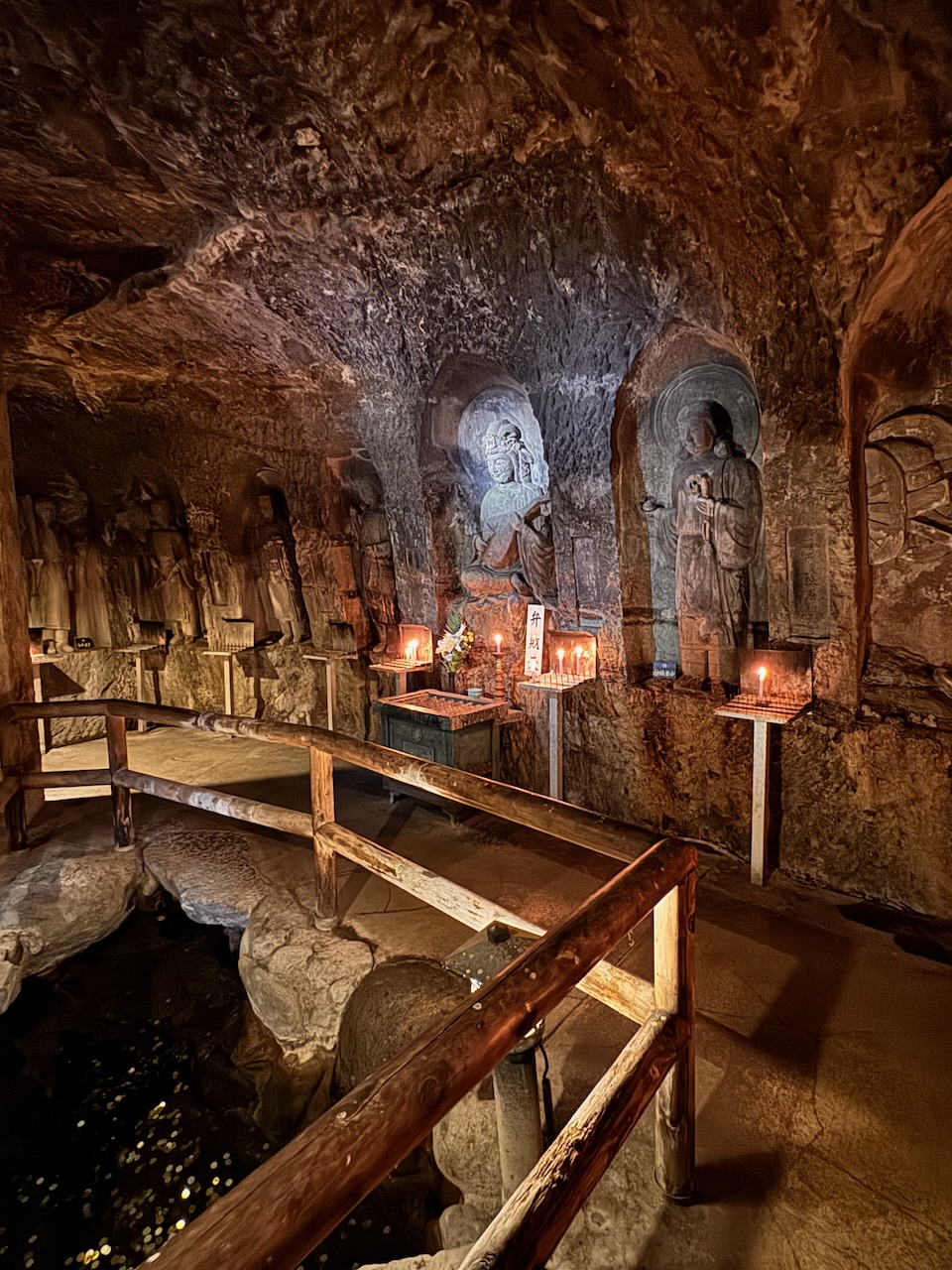
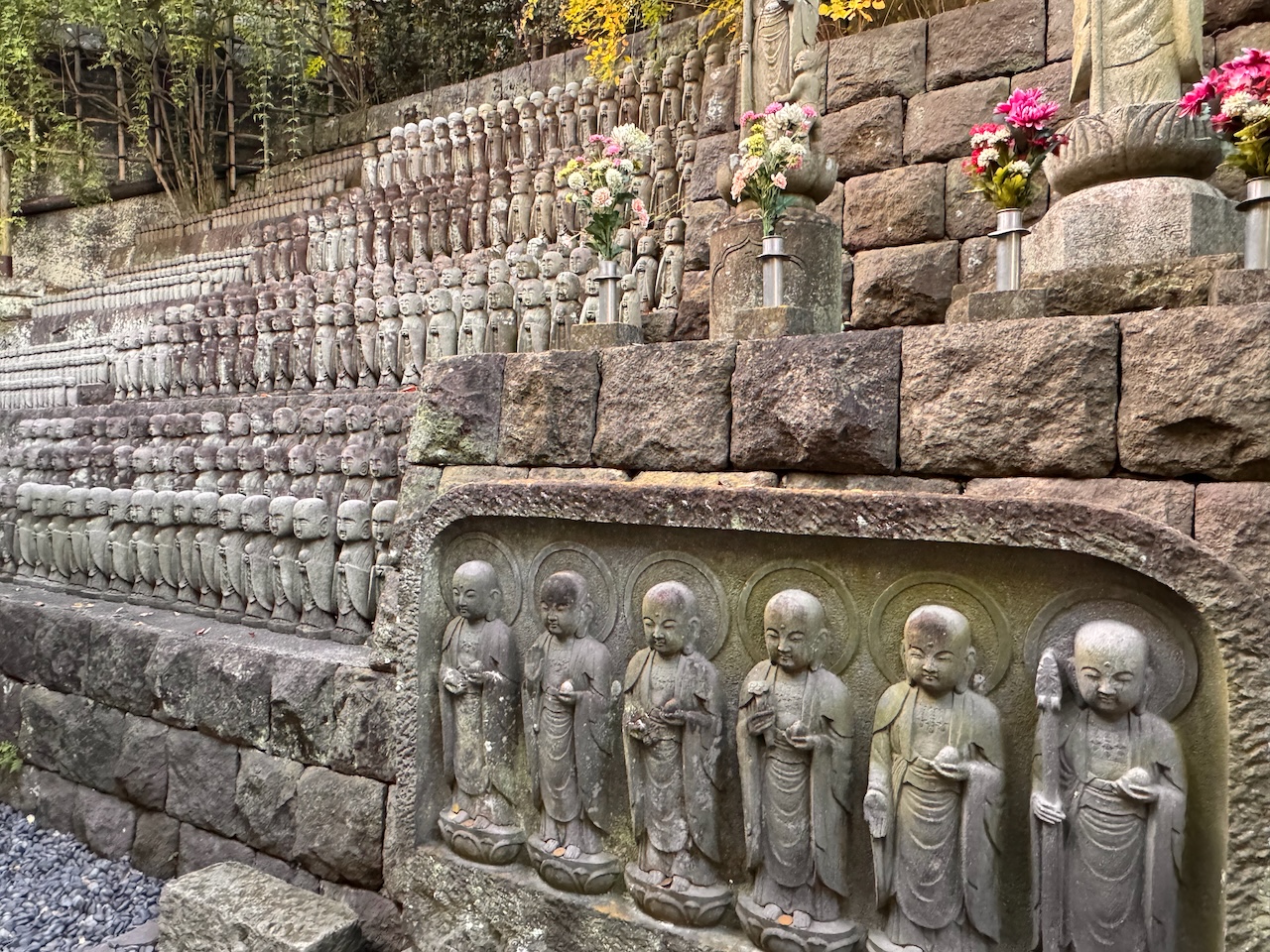
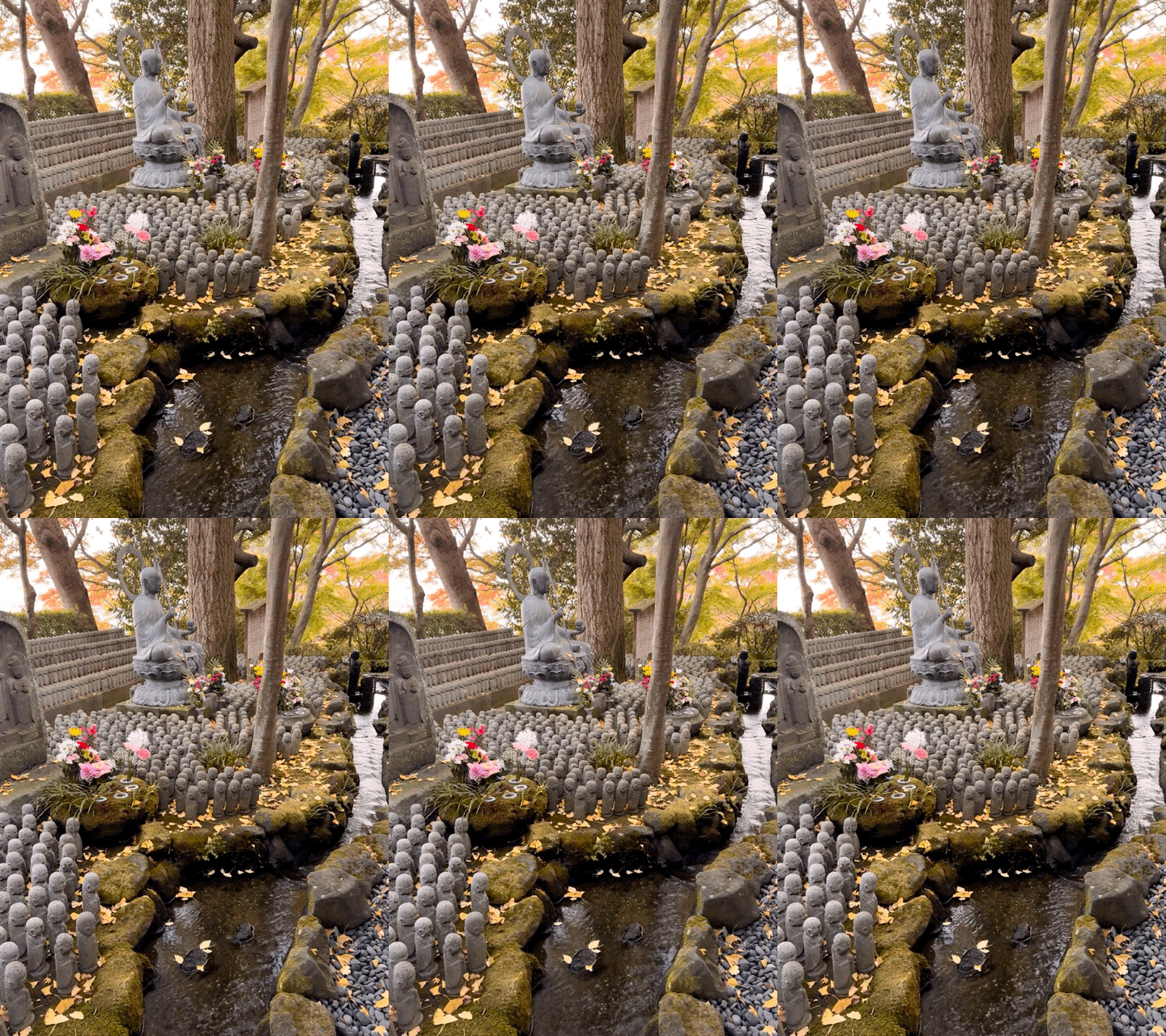
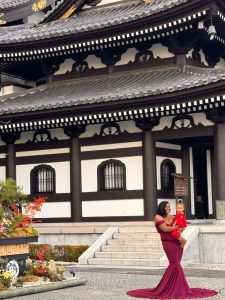
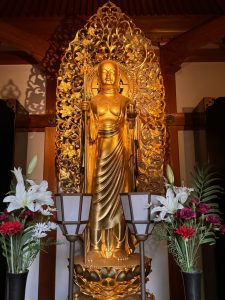
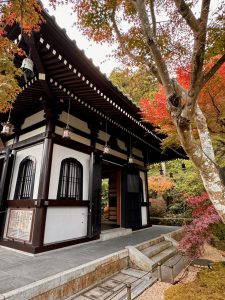
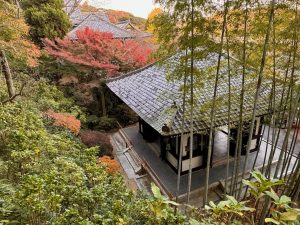
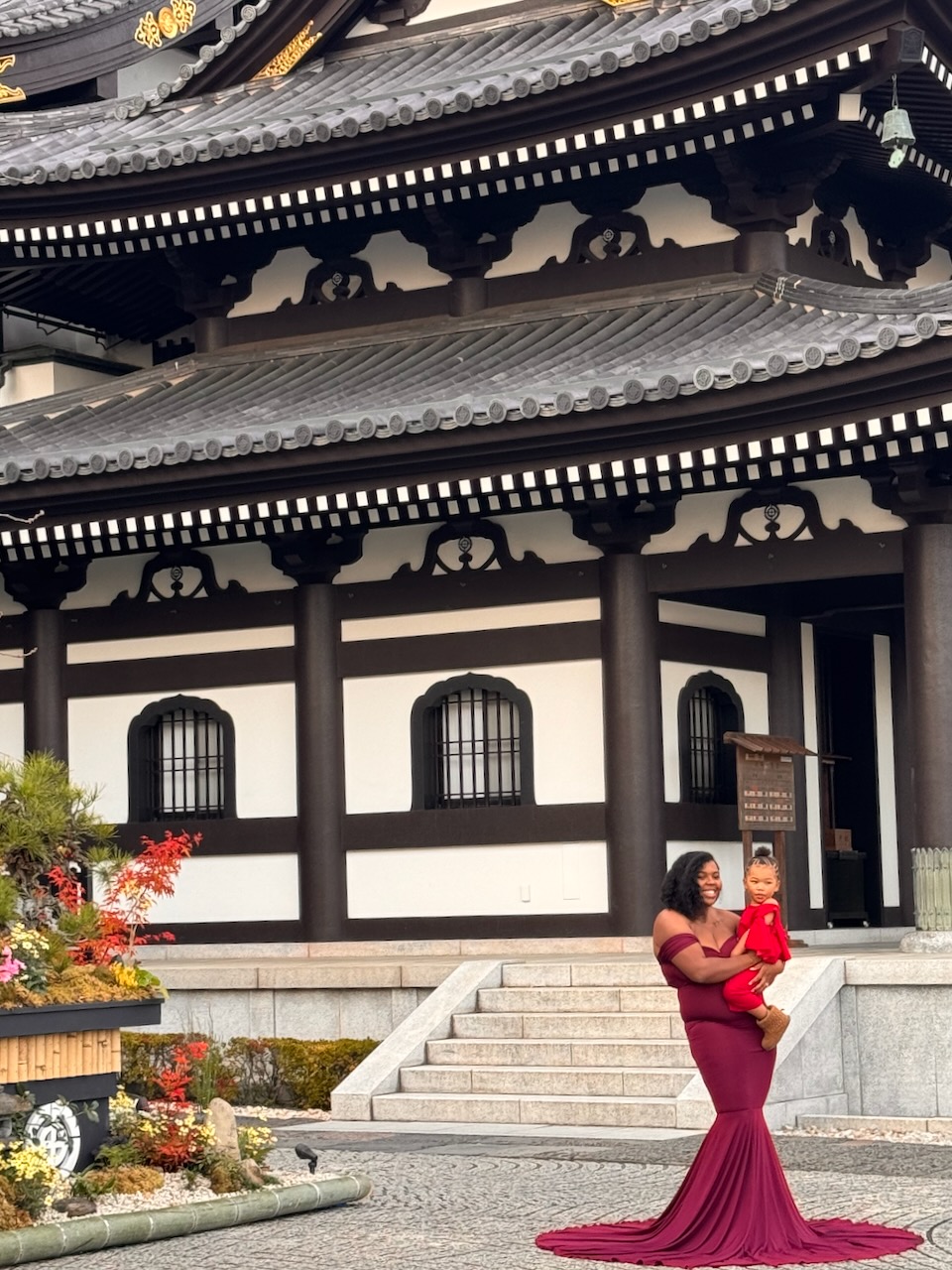
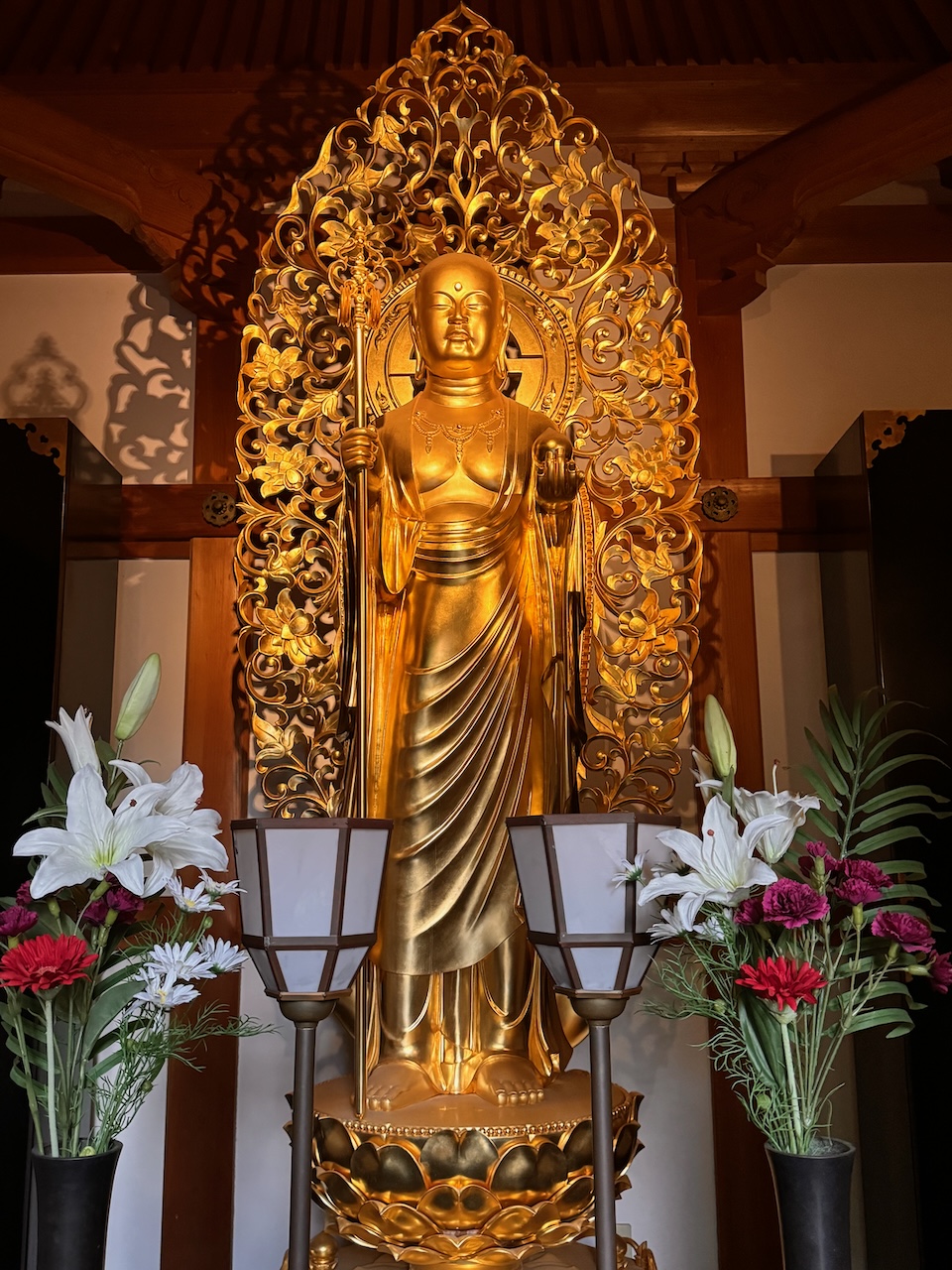
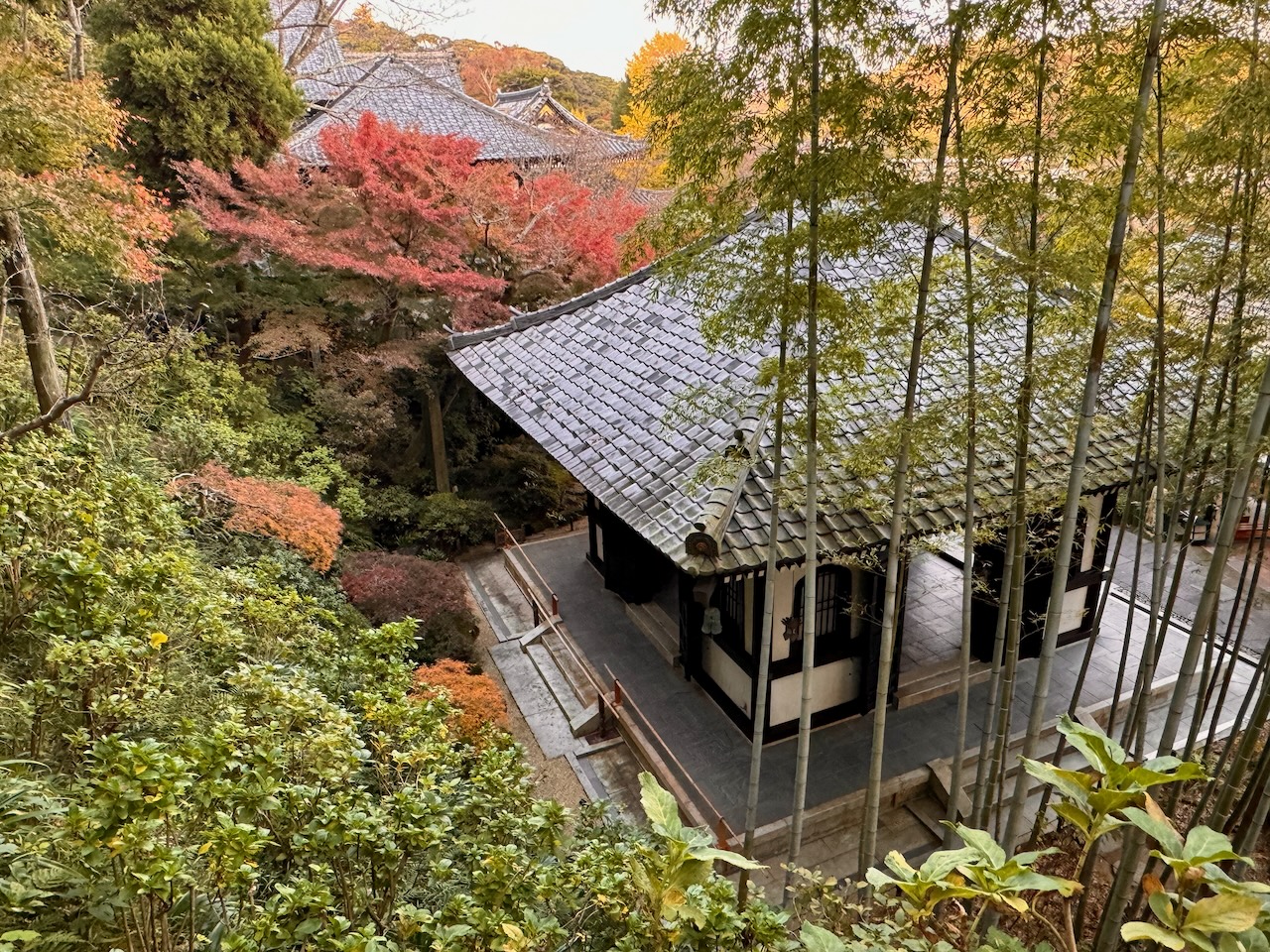
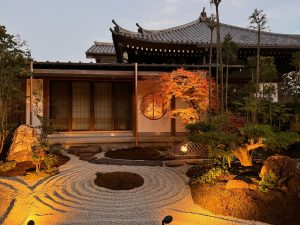
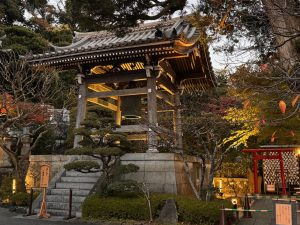
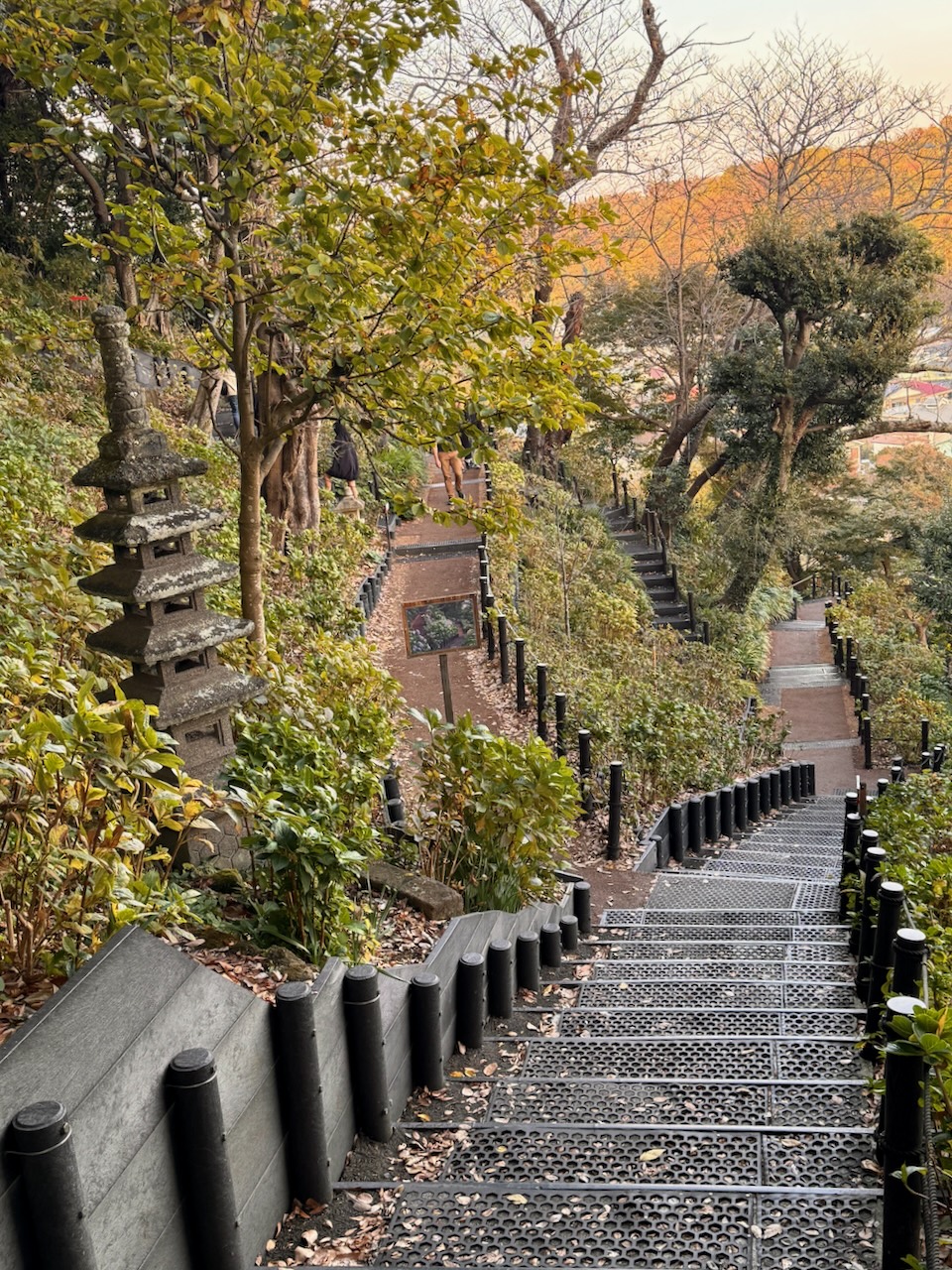
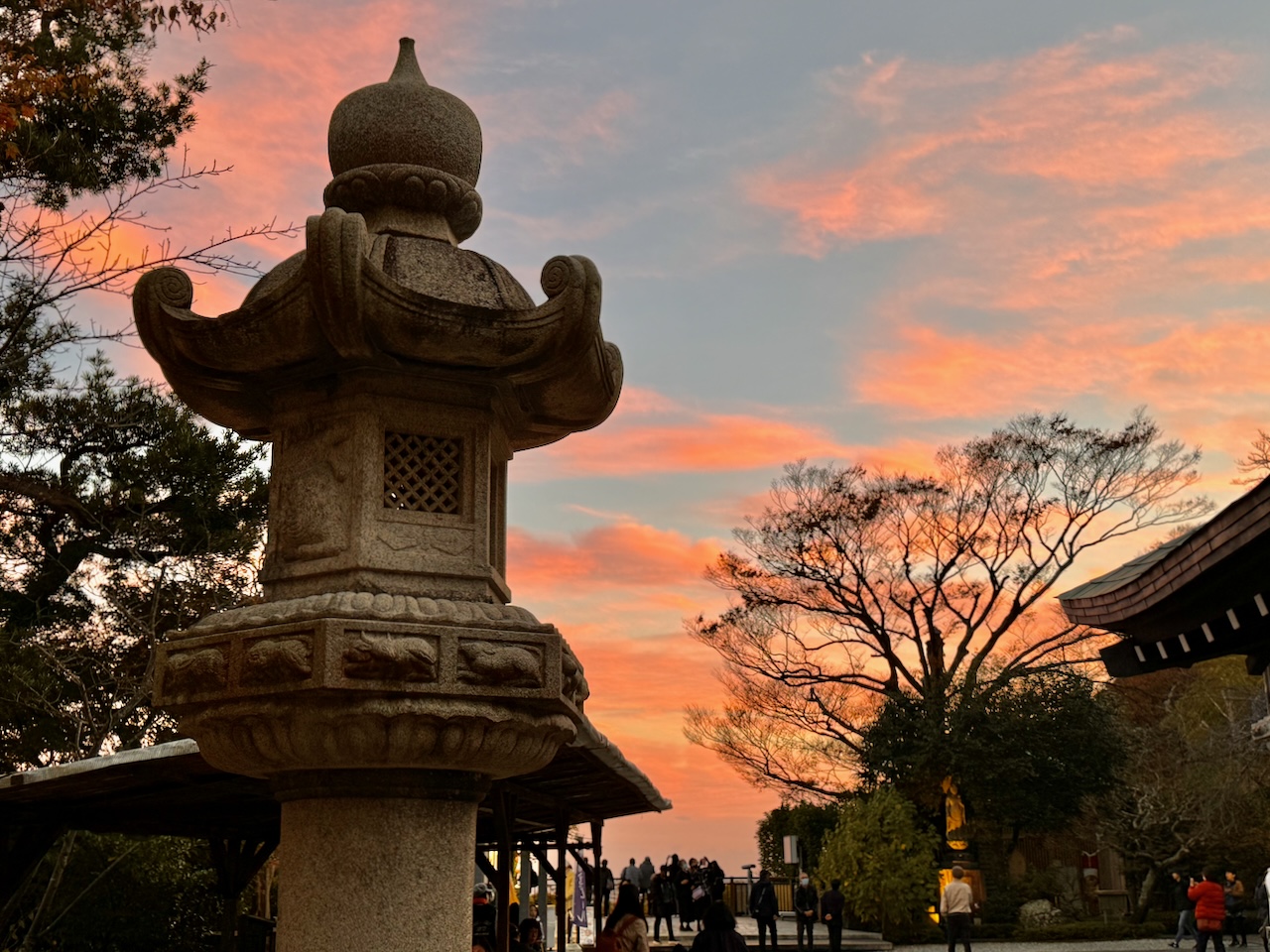
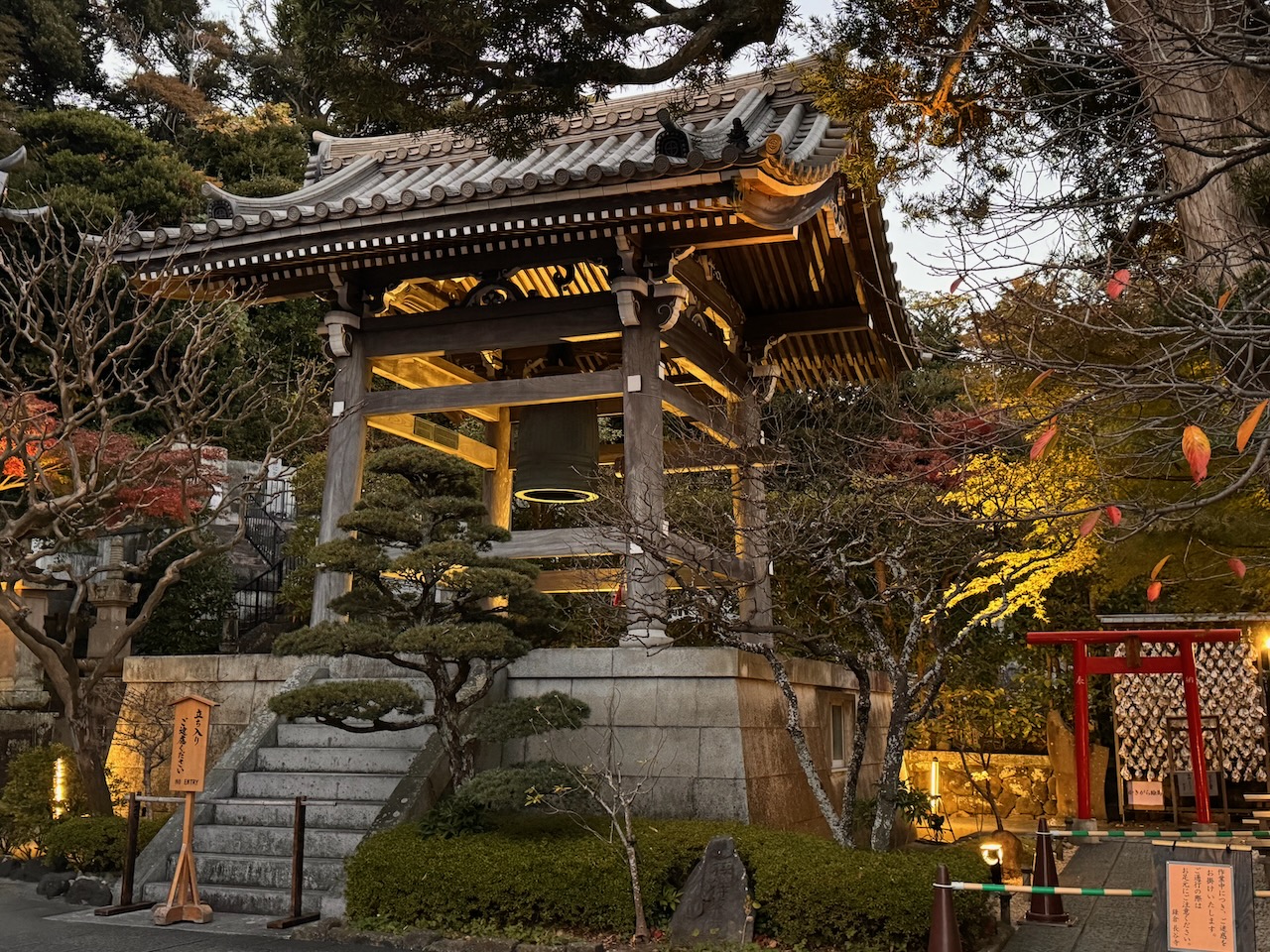
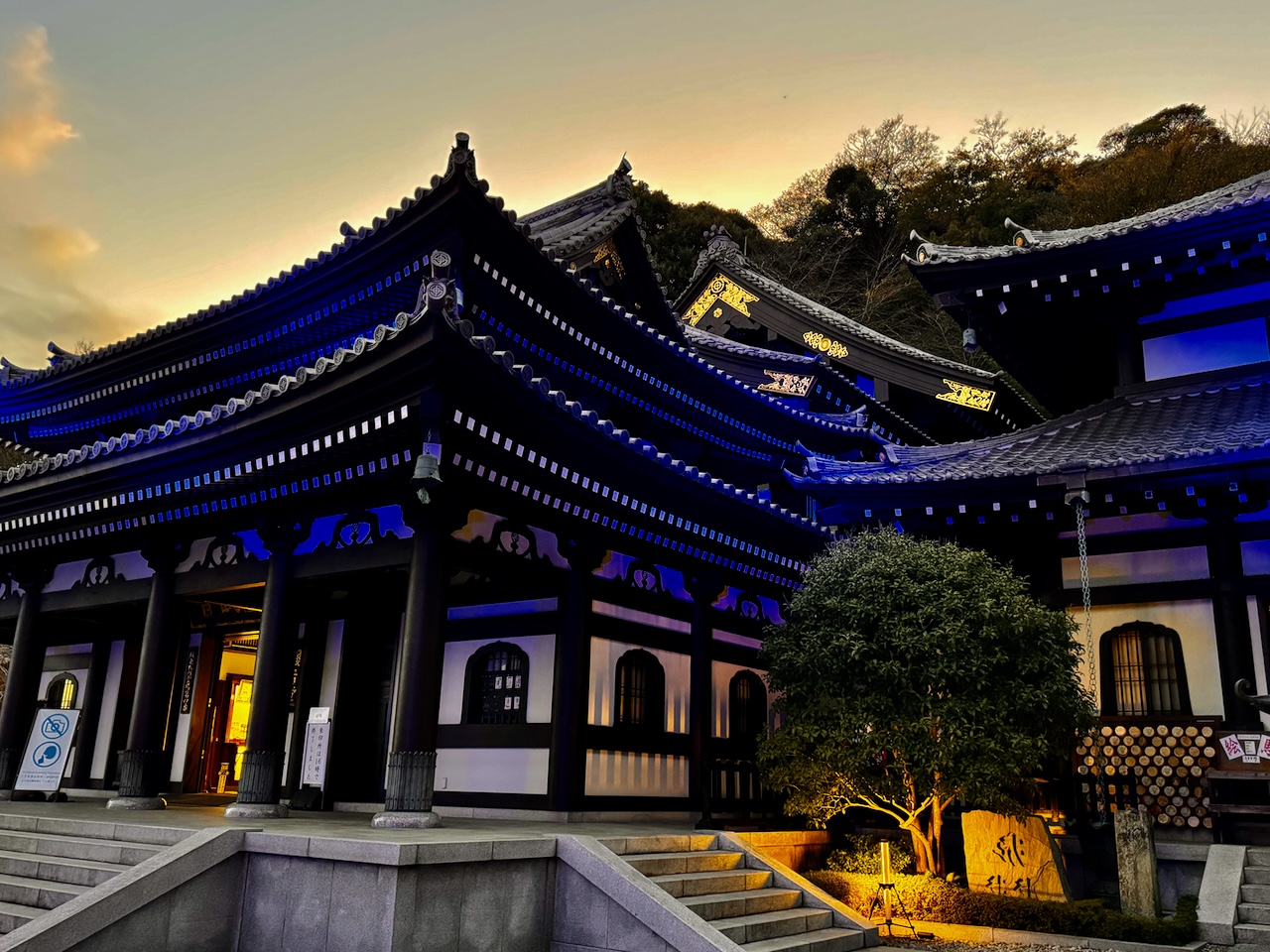
Perhaps our favourite in all of Japan is Hase-dera Temple. This beautiful complex cascades down a wooded hillside overlooking the sea. After entering the premises, a series of koi ponds, gorgeous gardens and meandering pathways offer options to explore. One leads past a torii gate to Benten-Kutsu Cave, with figures chiseled out of the rock and lit offering candles below them. The temple grounds cover several levels with something special on each.
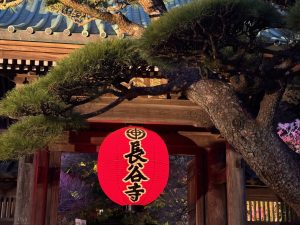
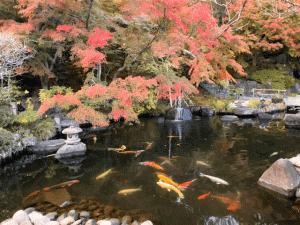
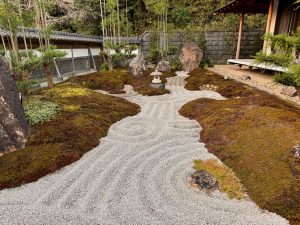
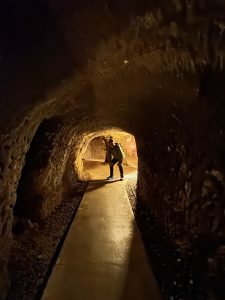
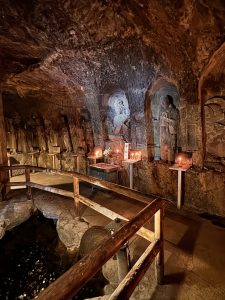
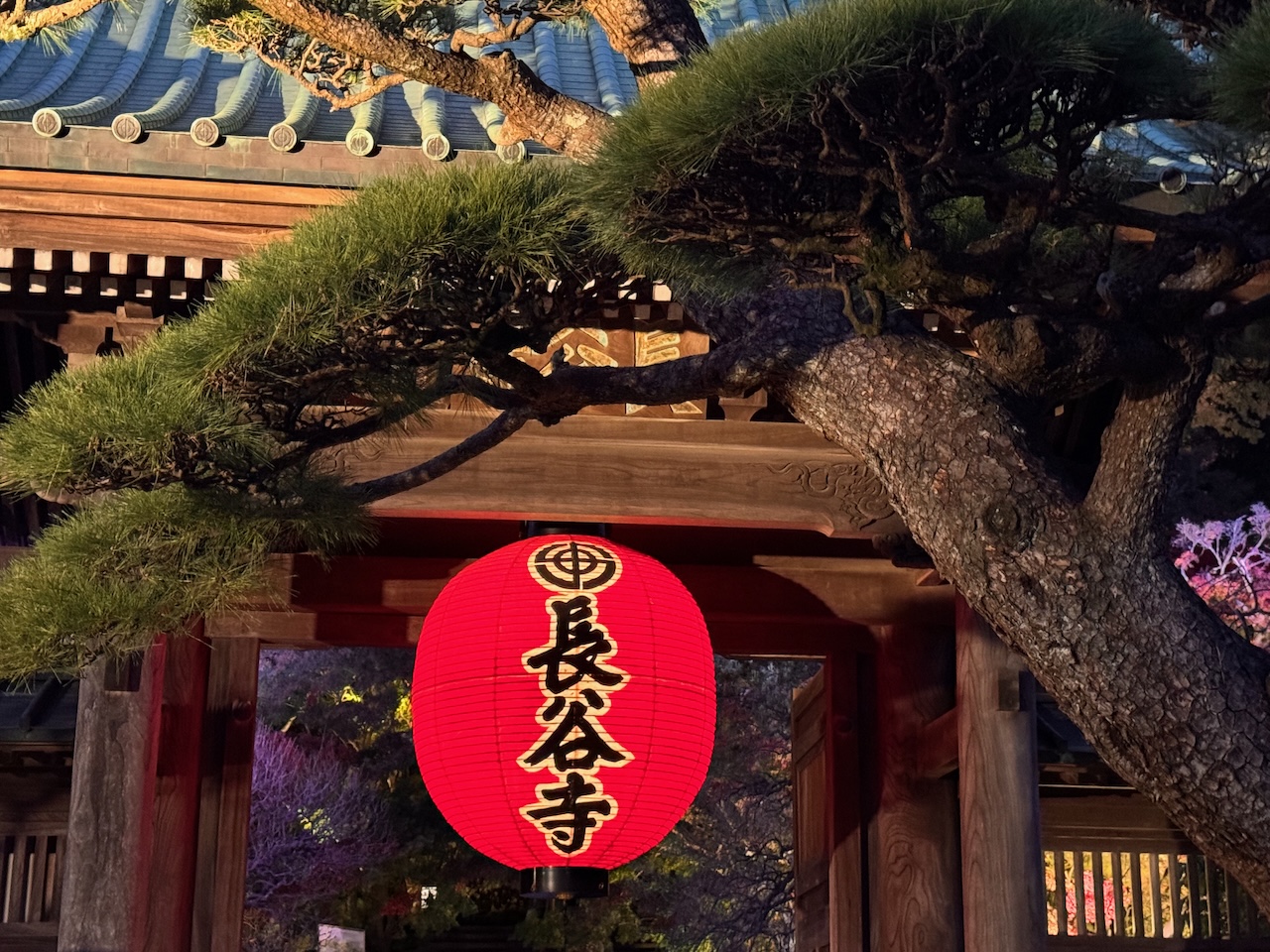
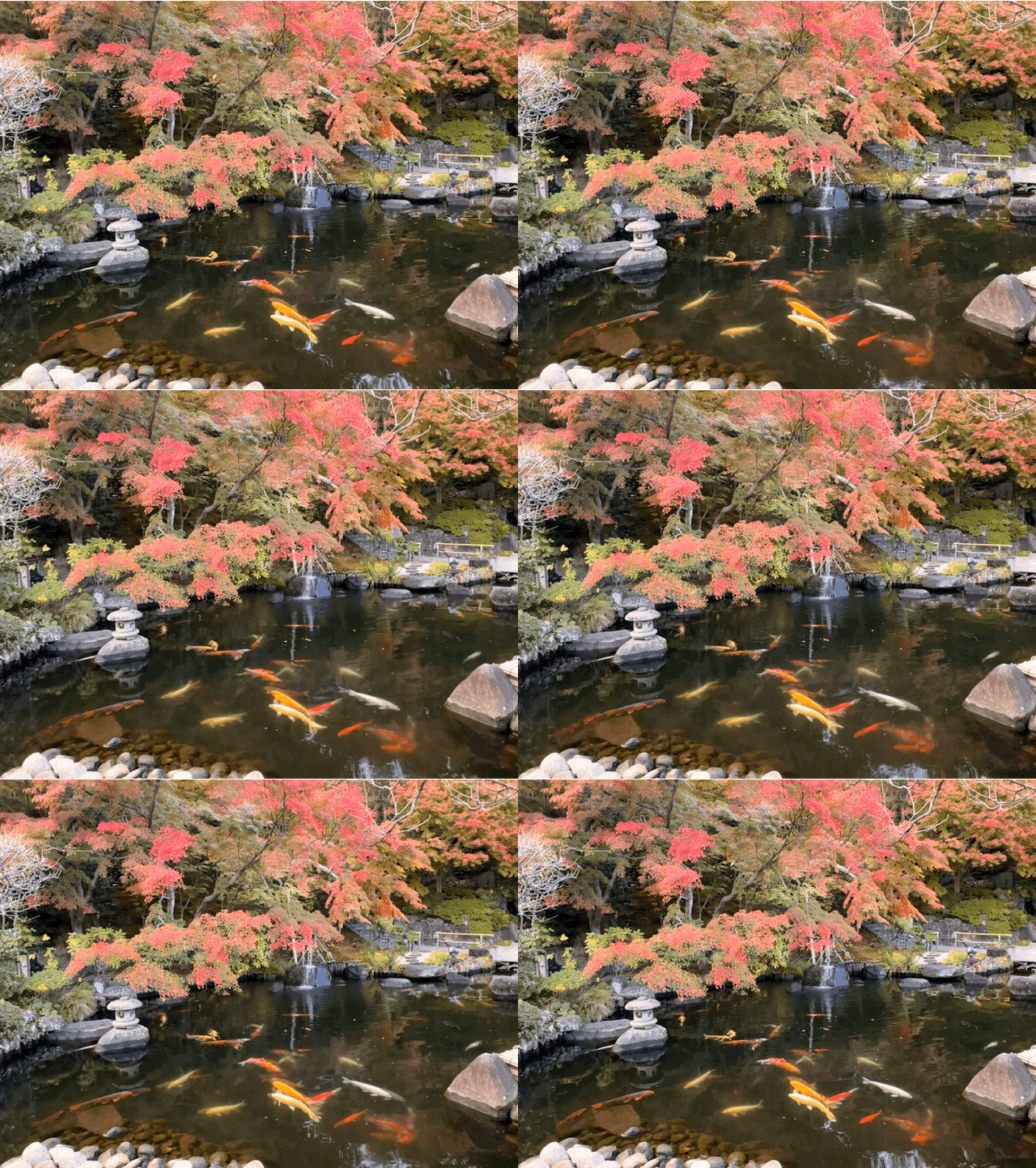
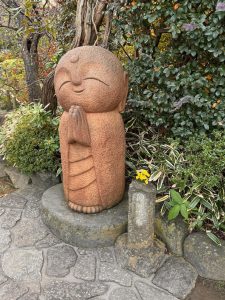
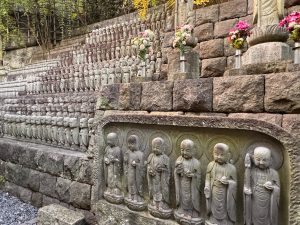
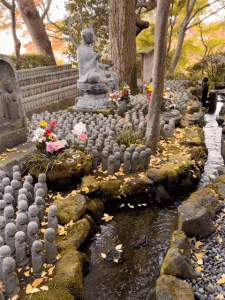
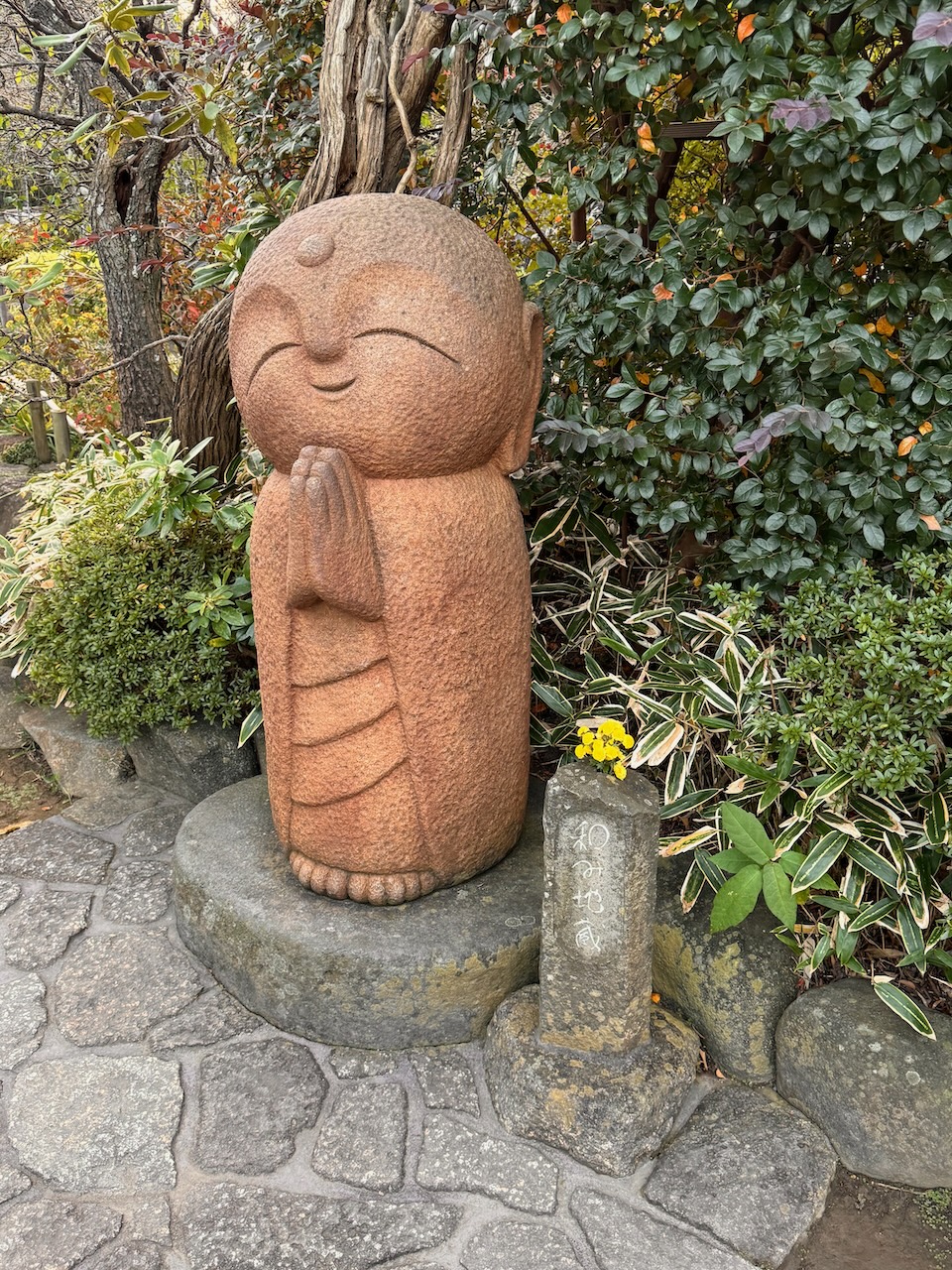
Climbing up to an intermediate level brings you to the Jizo-do Hall and garden where hundreds of small Jizō statues are placed by parents mourning offspring lost to miscarriage, stillbirth, or abortion. These statues remain in place for about a year, before being removed to make way for more statues; it is estimated that some 50,000 Jizō statues have been placed at Hase-dera since WWII!
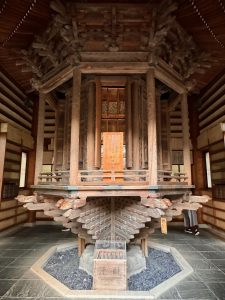
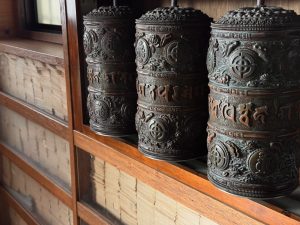
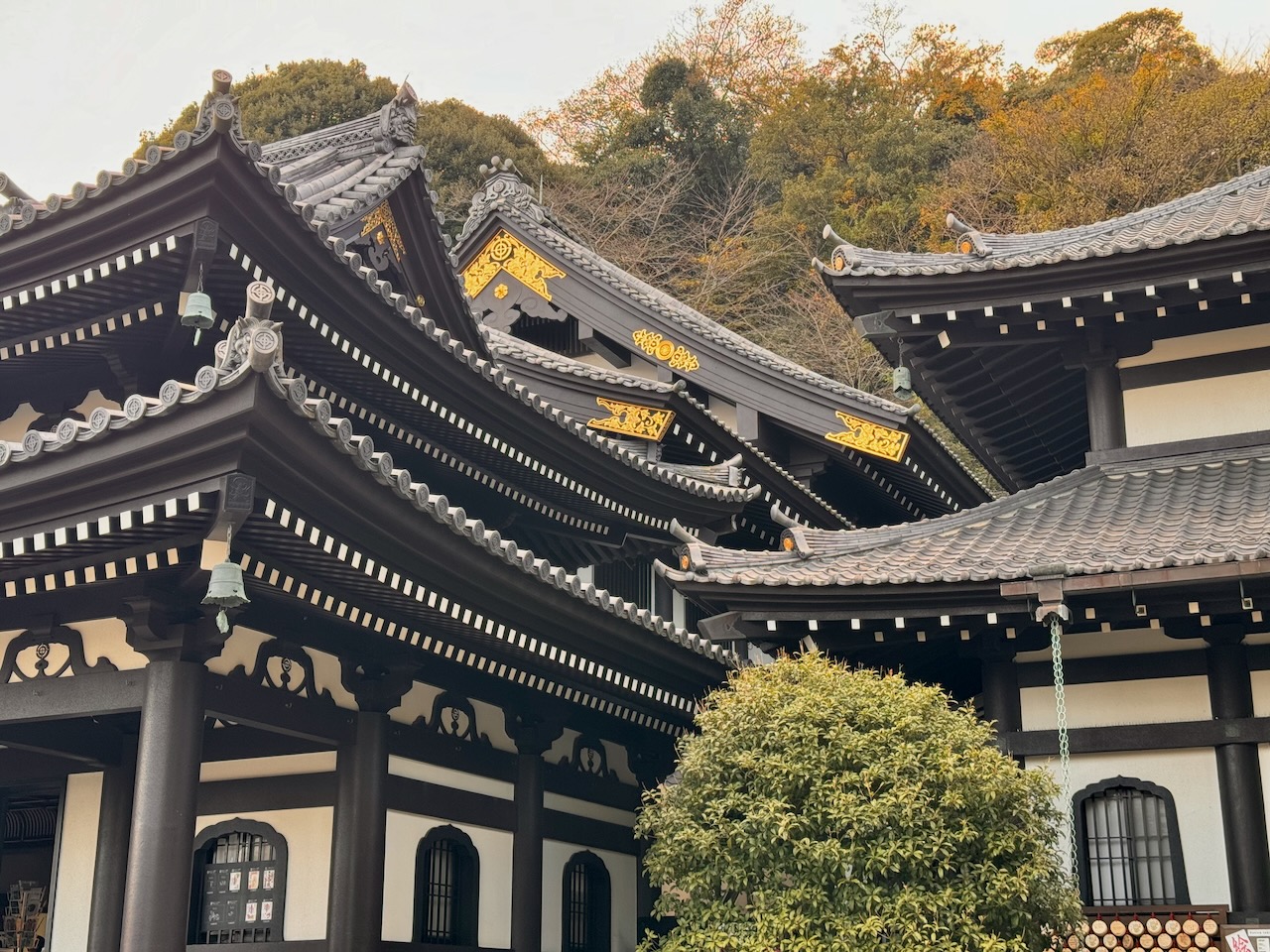
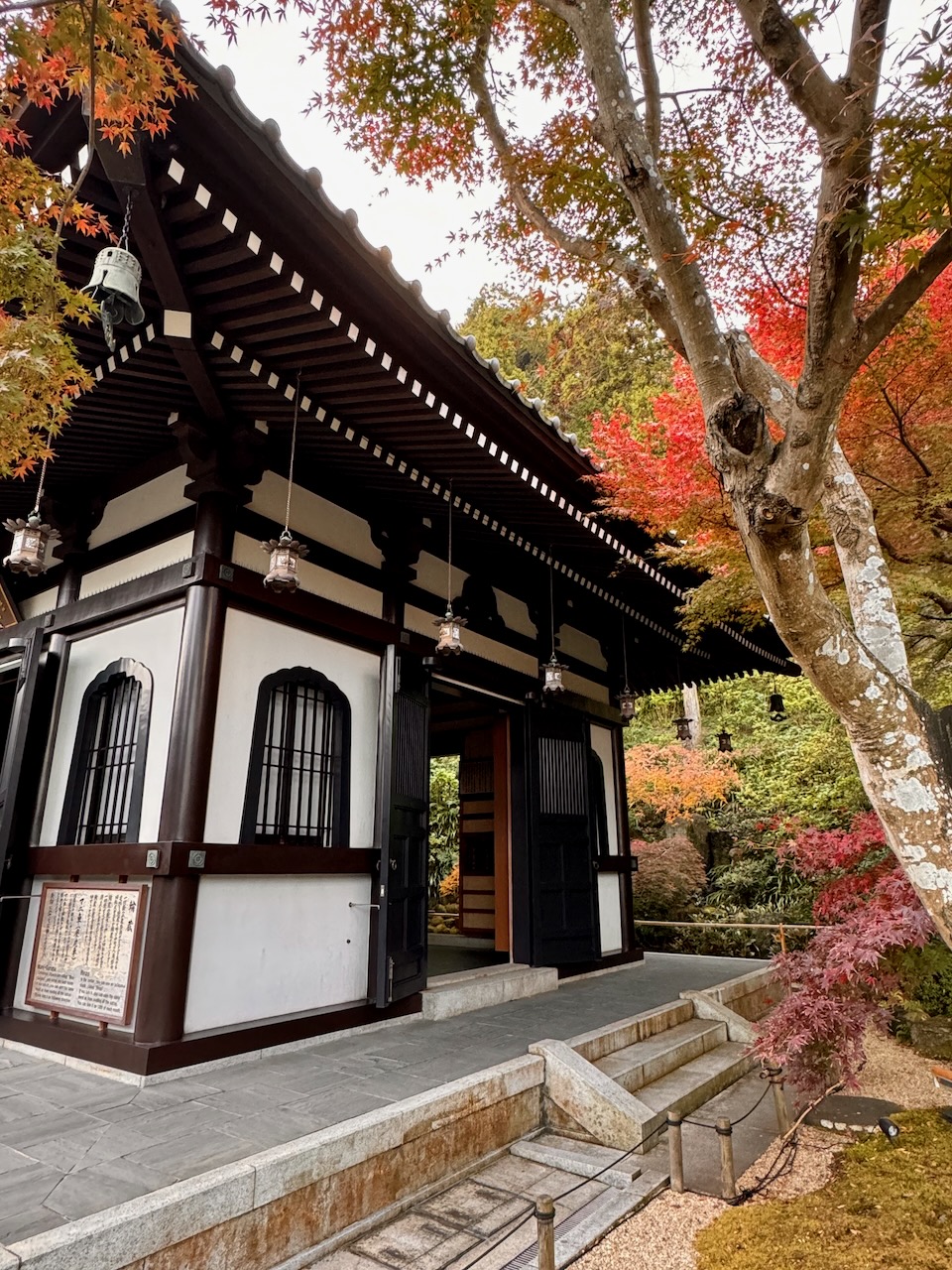
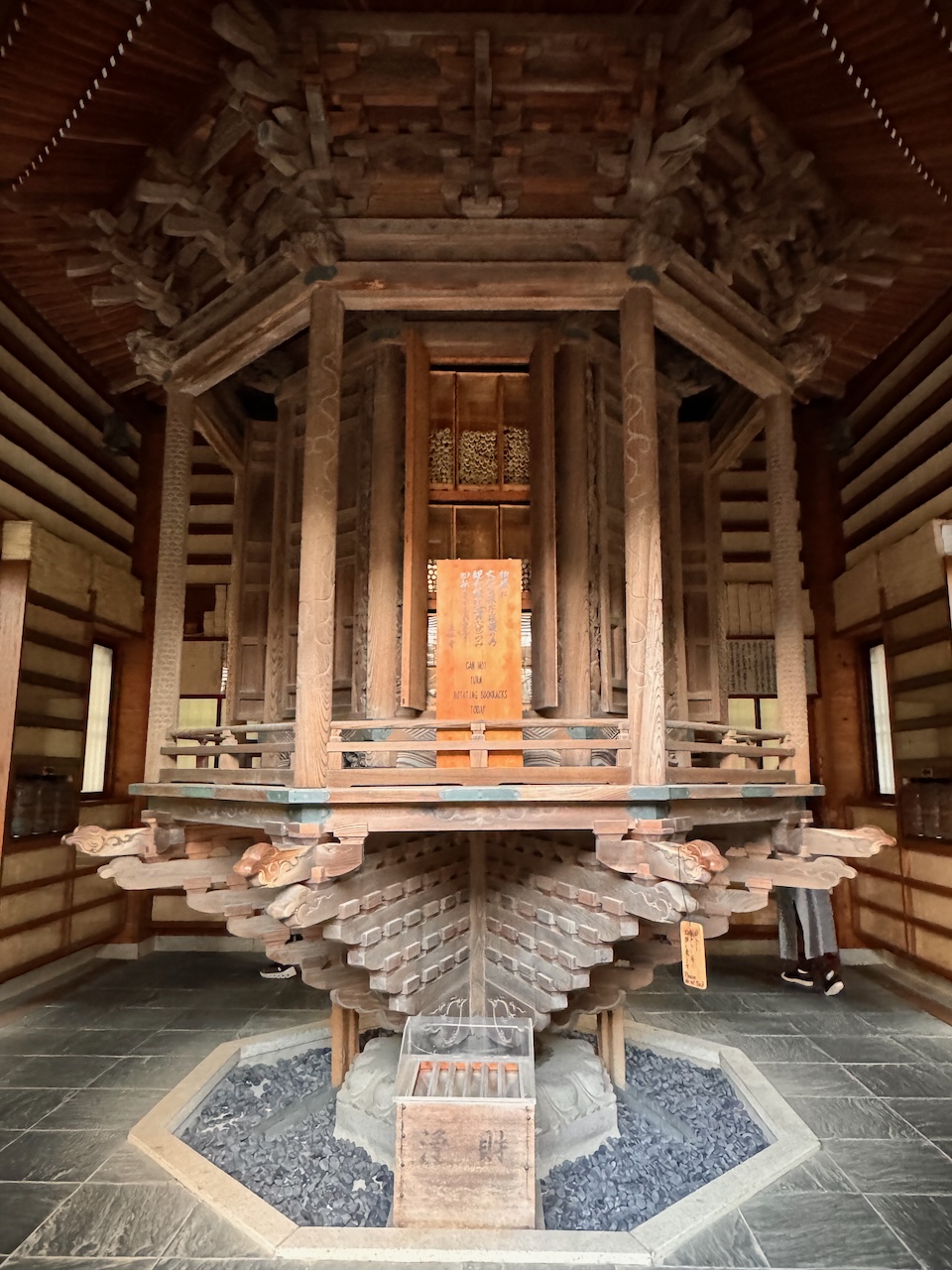
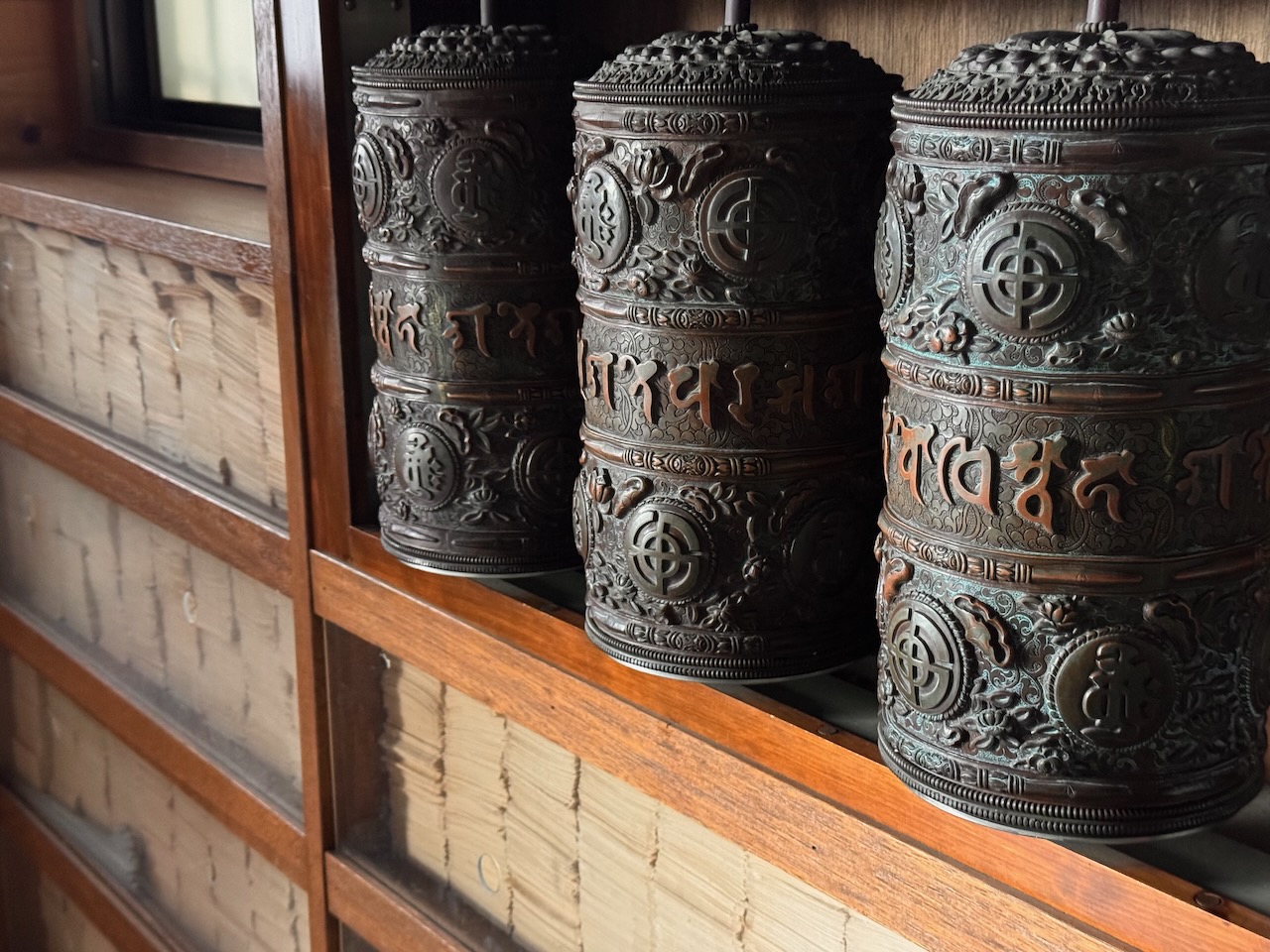
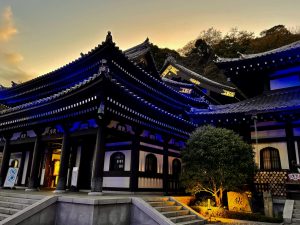
The upper terrace houses most of the significant temple buildings. They are all of exceptionally beautiful design. The Kannon-do Hall (Main Hall) has spectacular rooflines. But we thought the most interesting was the Kyozo, a repository for storing Buddhist scriptures. Centered in the small building is a prominent octagonal wooden structure housing book racks that are known as Rinzo, meaning a place where important Buddhist sutras for the temple are kept. Around the periphery of the Rinzo, eighteen cylindrical prayer wheels containing Buddhist mantras can be spun as you walk around. One source says there are 400,000 mantras in each wheel!
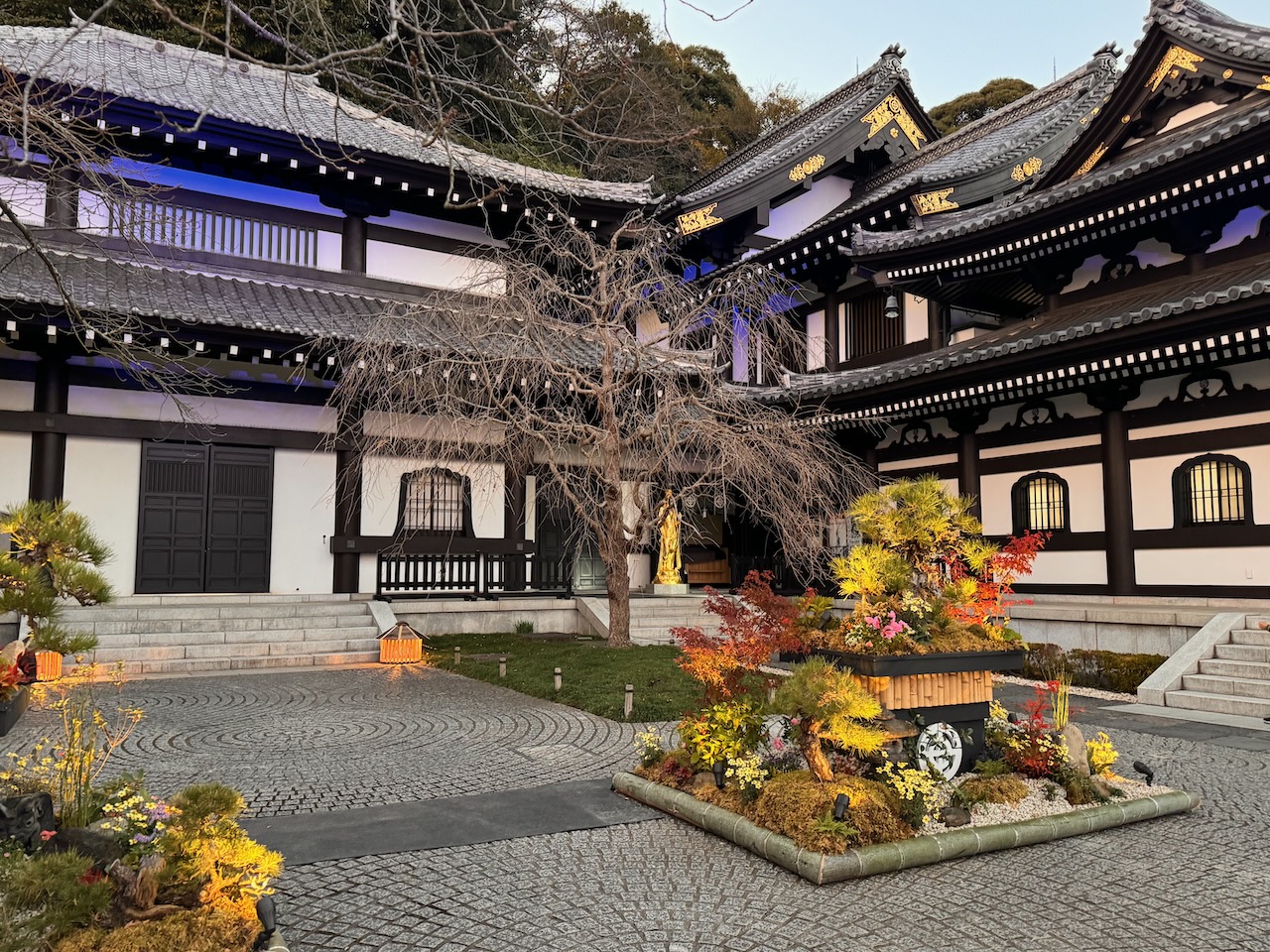
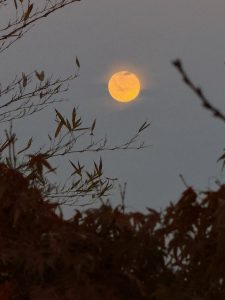
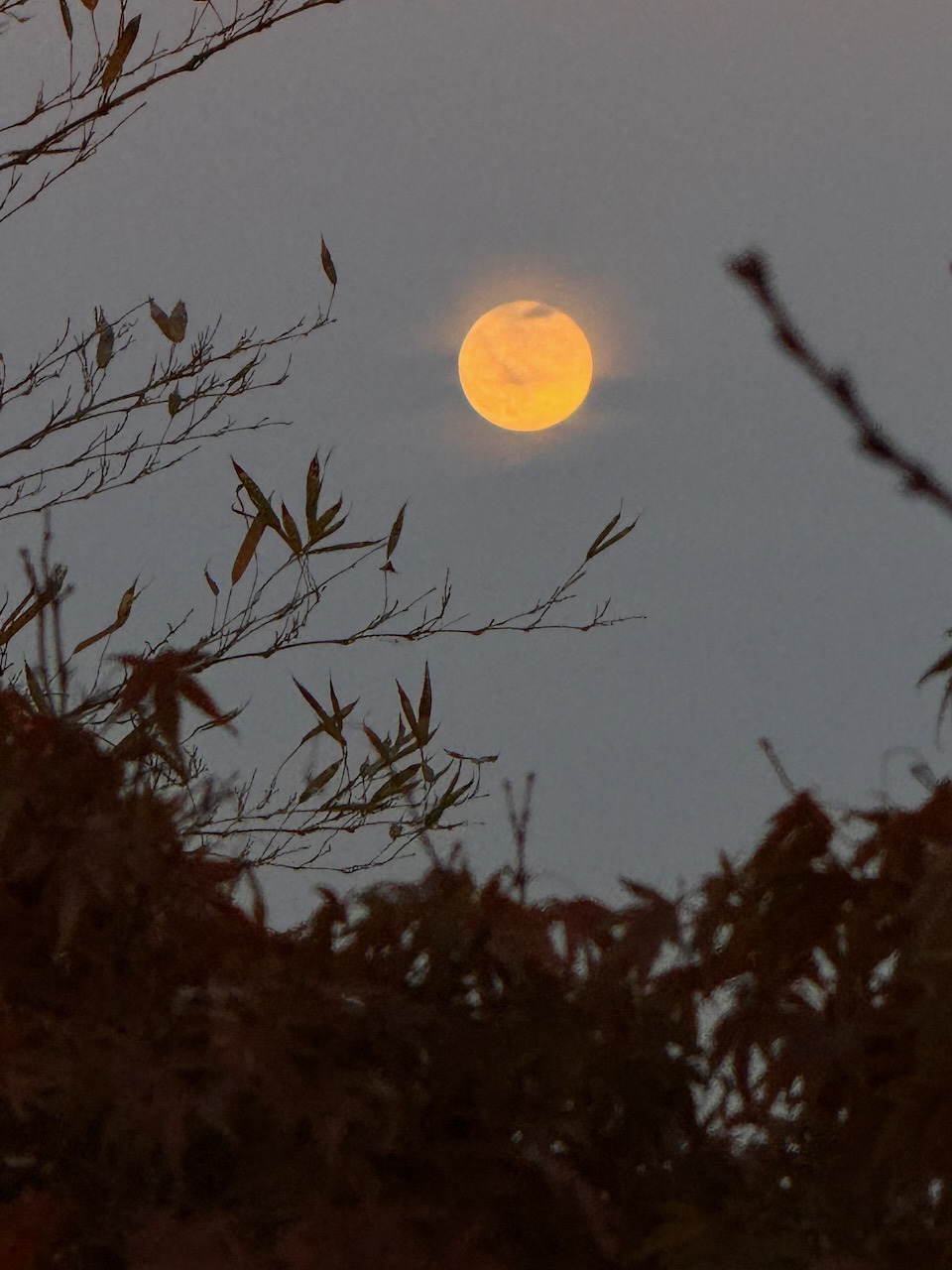
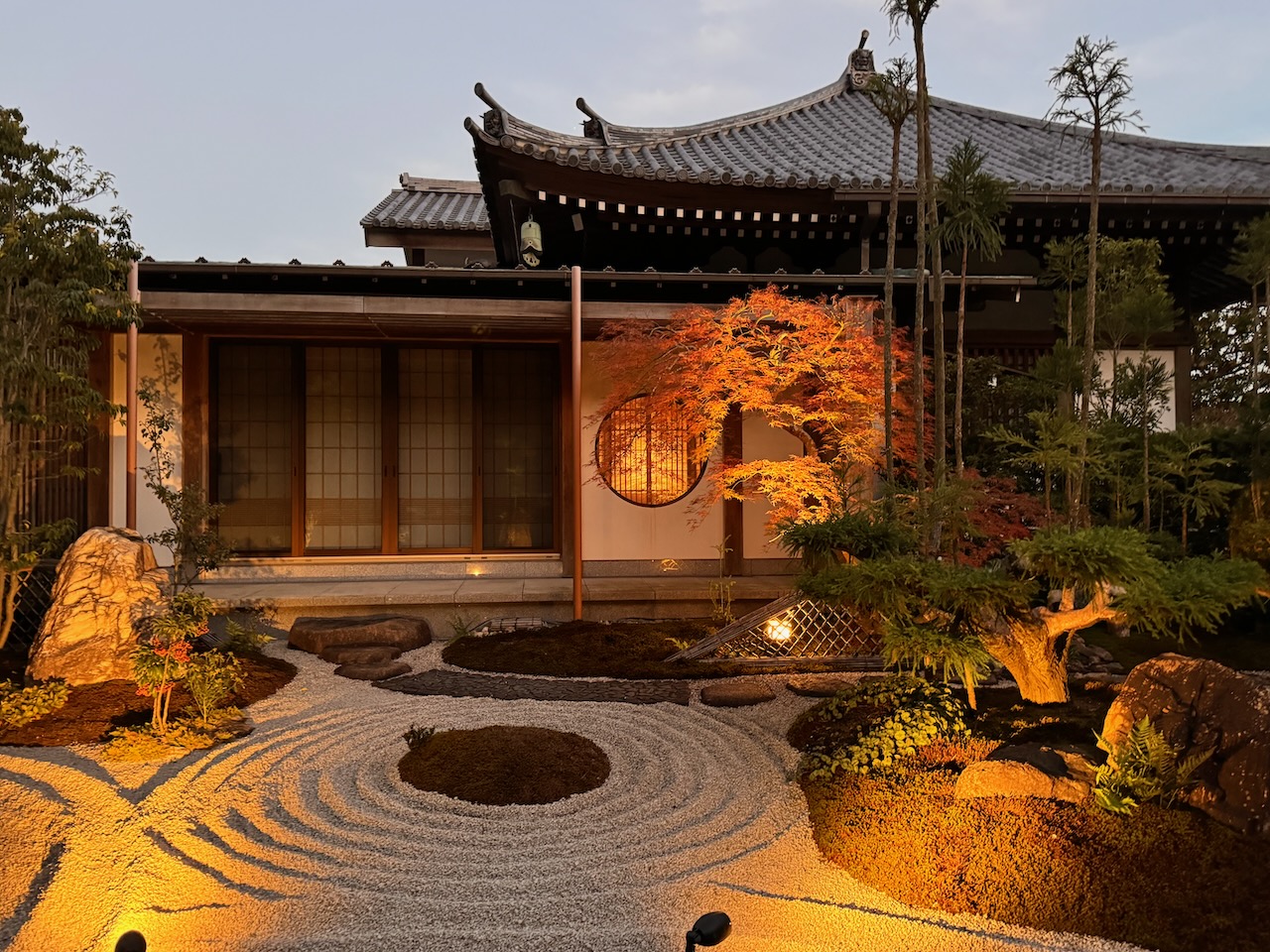
We were about to head back to Shinjuku when we realized the garden was remaining open late, lit up for the holiday season. We only had a little time to enjoy it. But thanks to Riitta and her Facebook post we had a fantastic day in Kamakura!
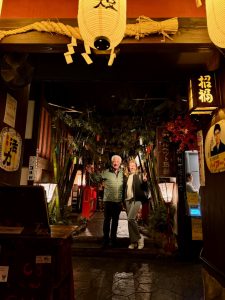
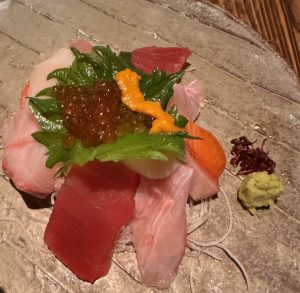
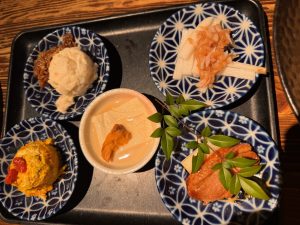
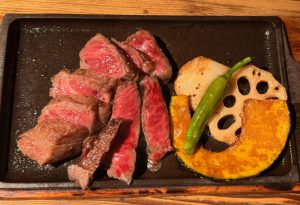
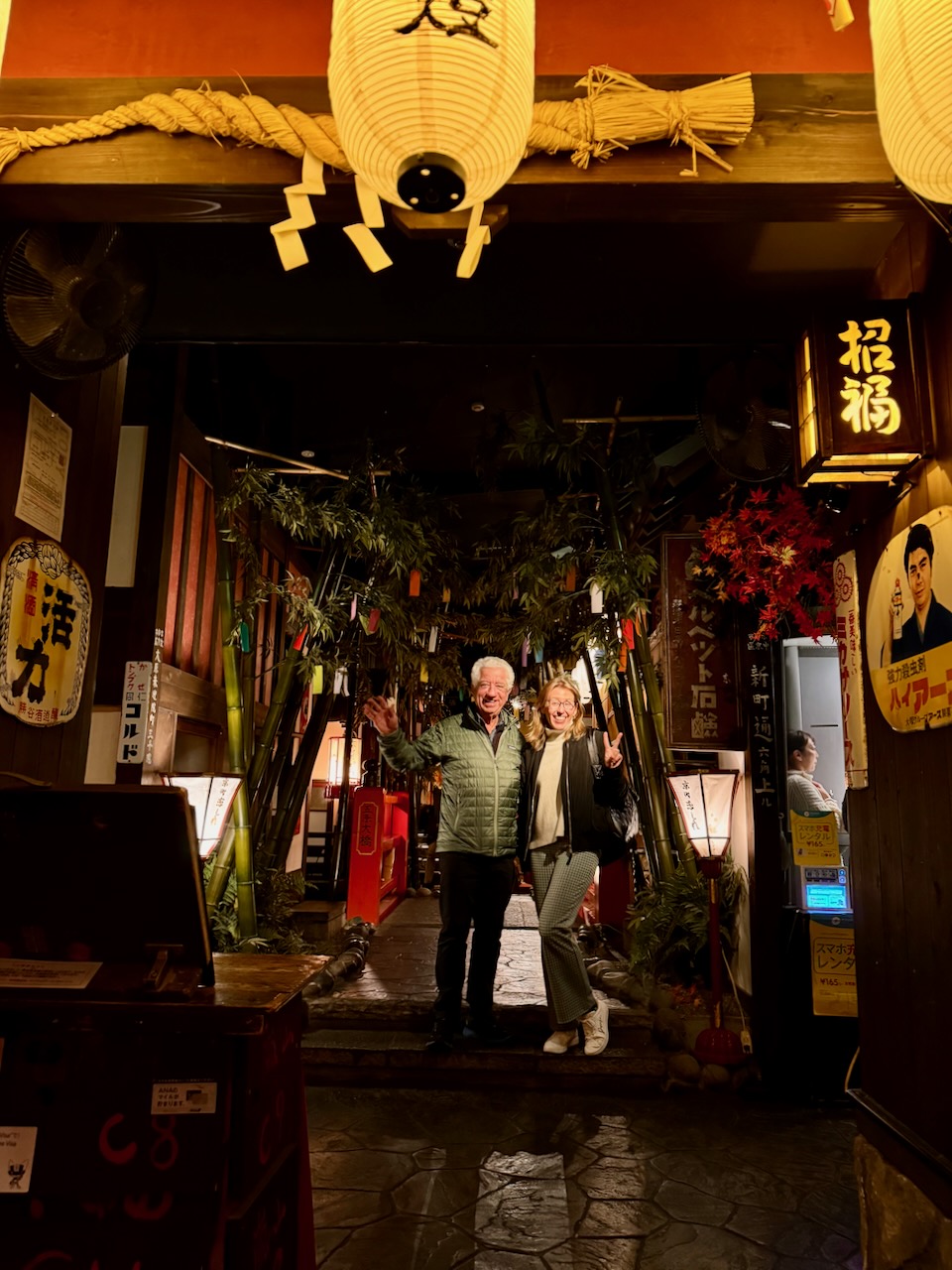
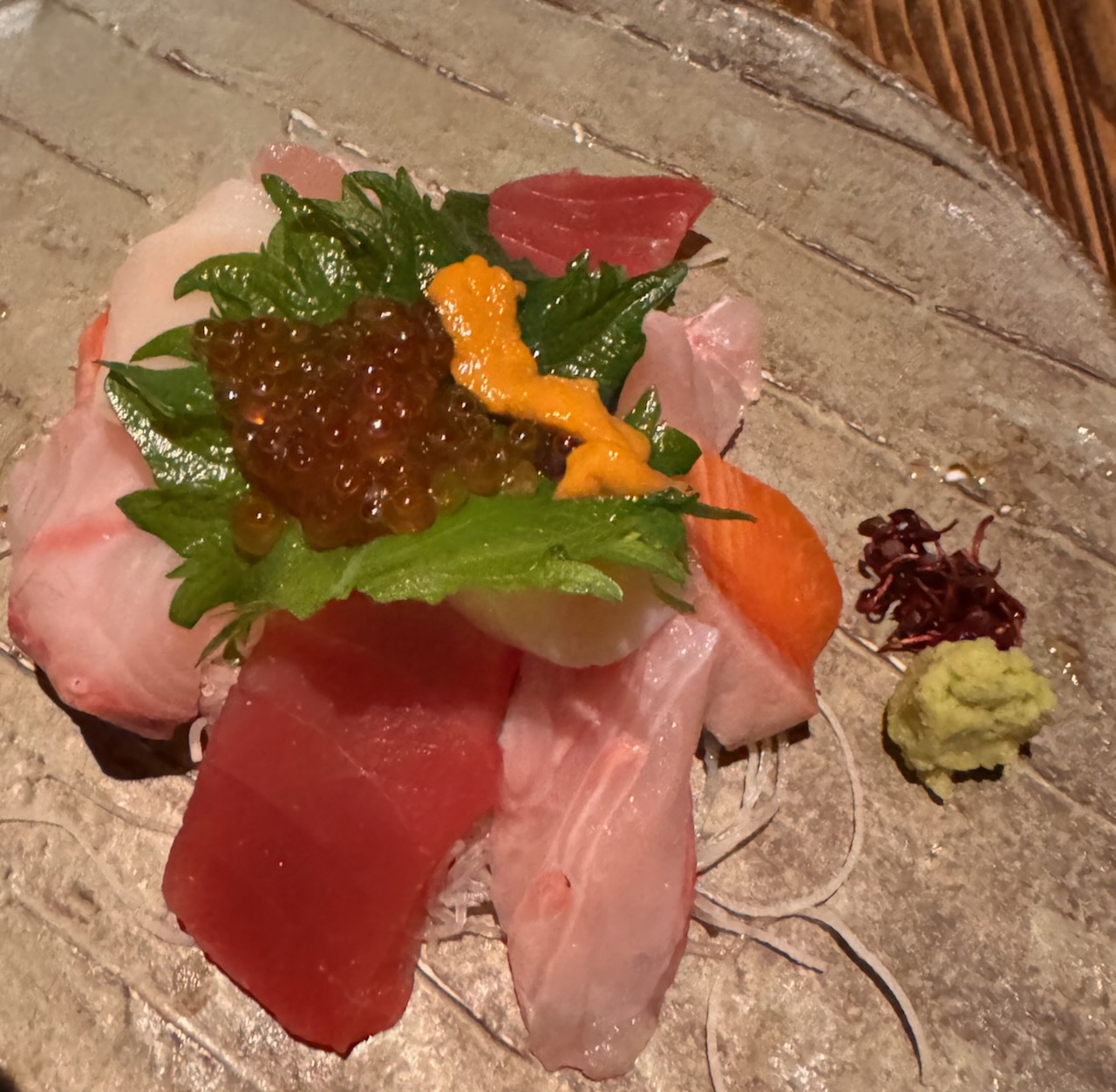
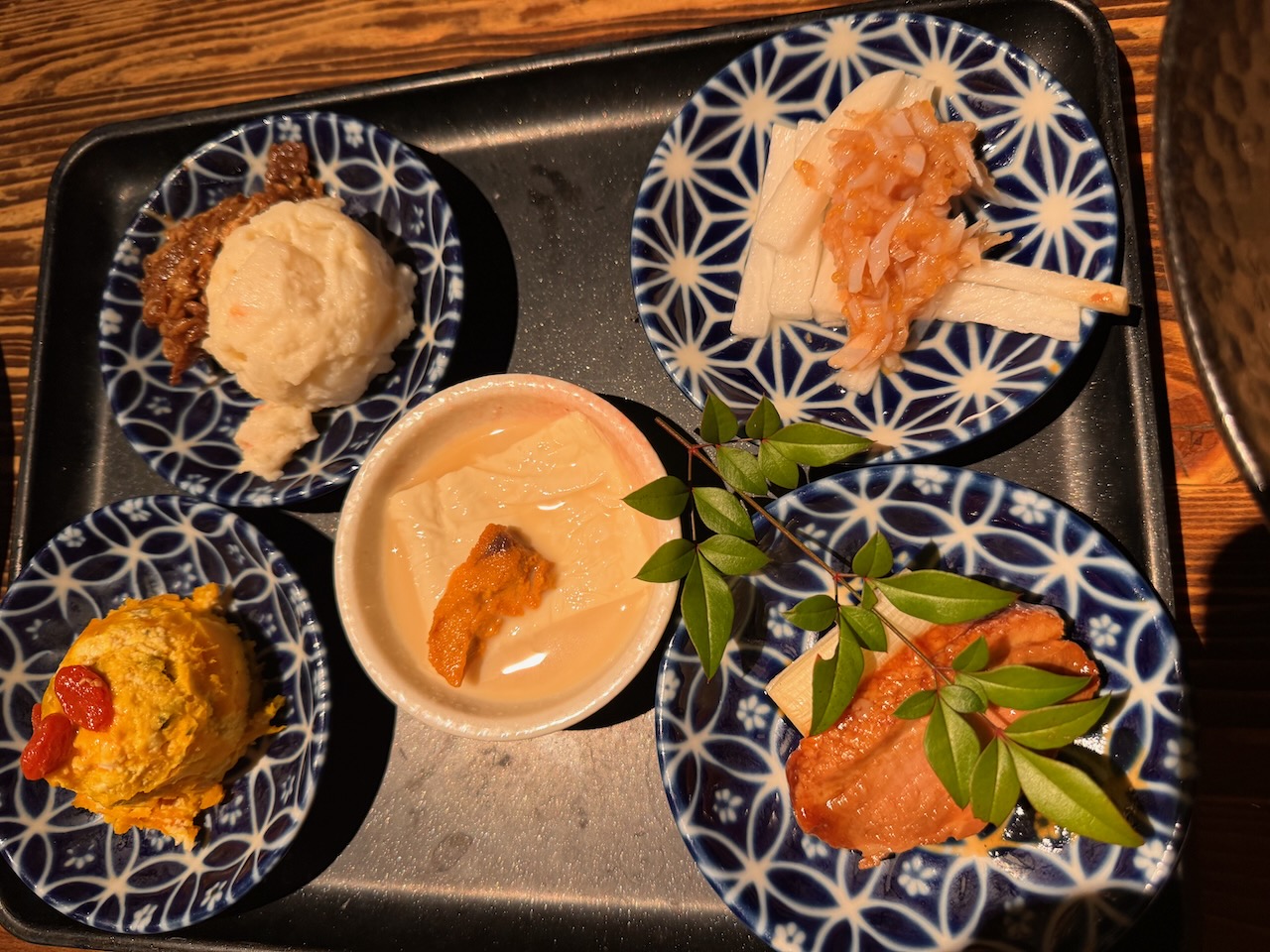
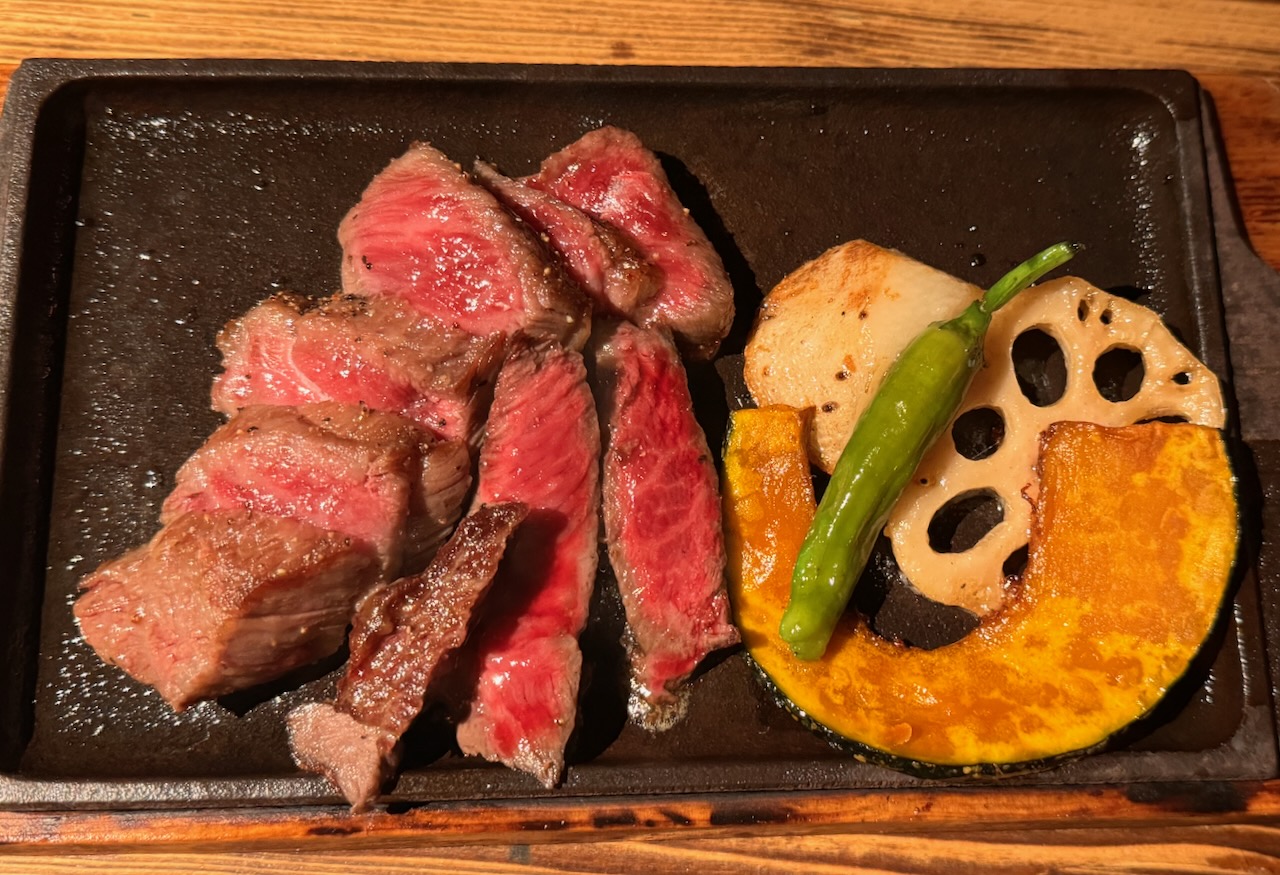
Our last evening was spent with an Izakaya guide. Izakaya is a type of Japanese bar in which a variety of small, typically inexpensive, dishes and snacks are served to accompany alcoholic drinks. Kinga, our guide, was a Polish ex-pat who lives in a large share-house with nine people. Sharing a kitchen with so many is chaotic, so she eats most of her meals at izakaya bars. With her fluent English she was a great source of information about the Japanese lifestyle. We visited two bars and actually ate in a similar manner to kaiseke with many small plates.
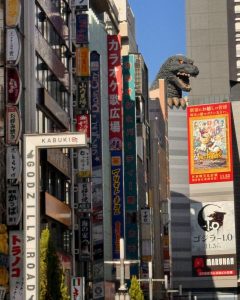
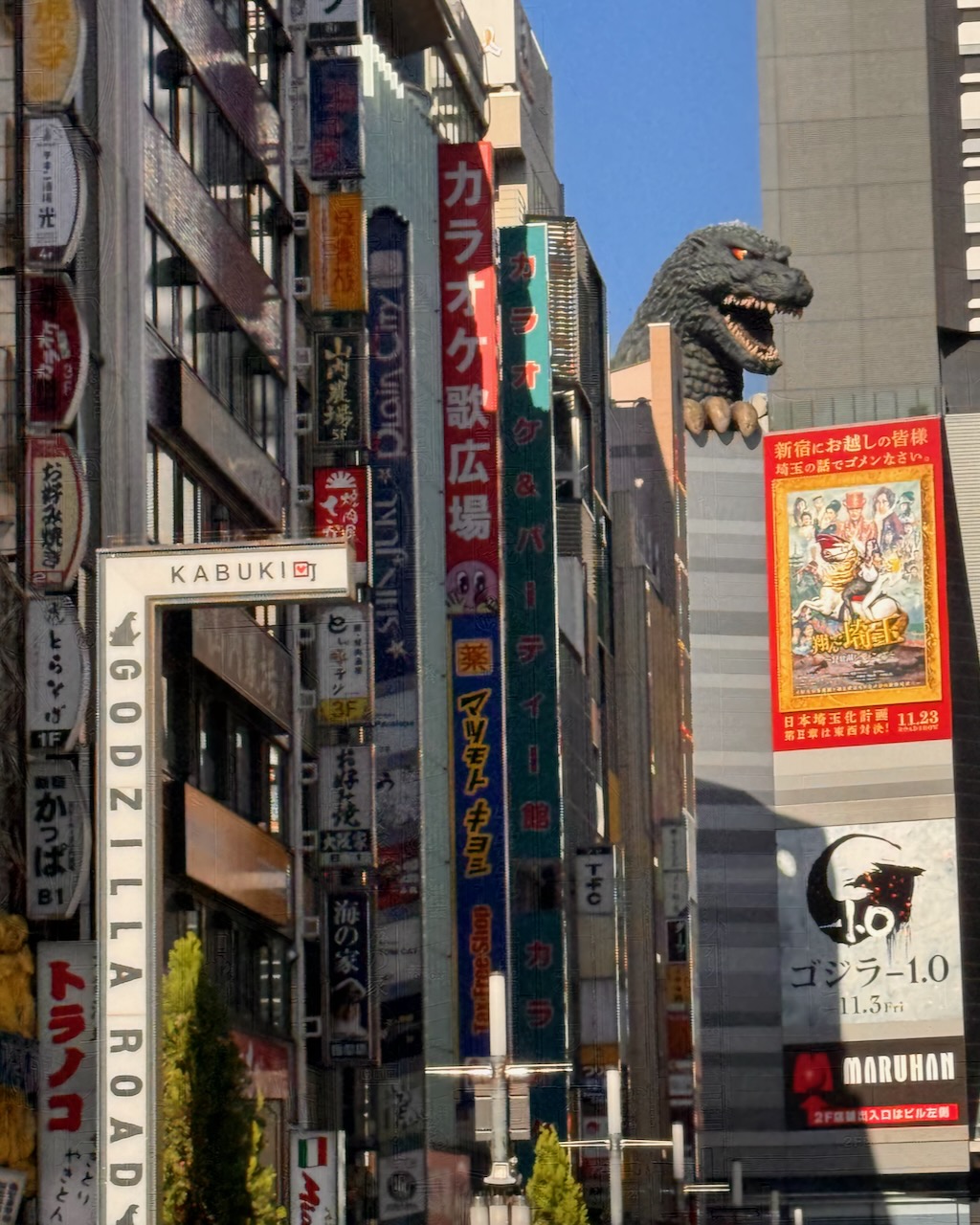
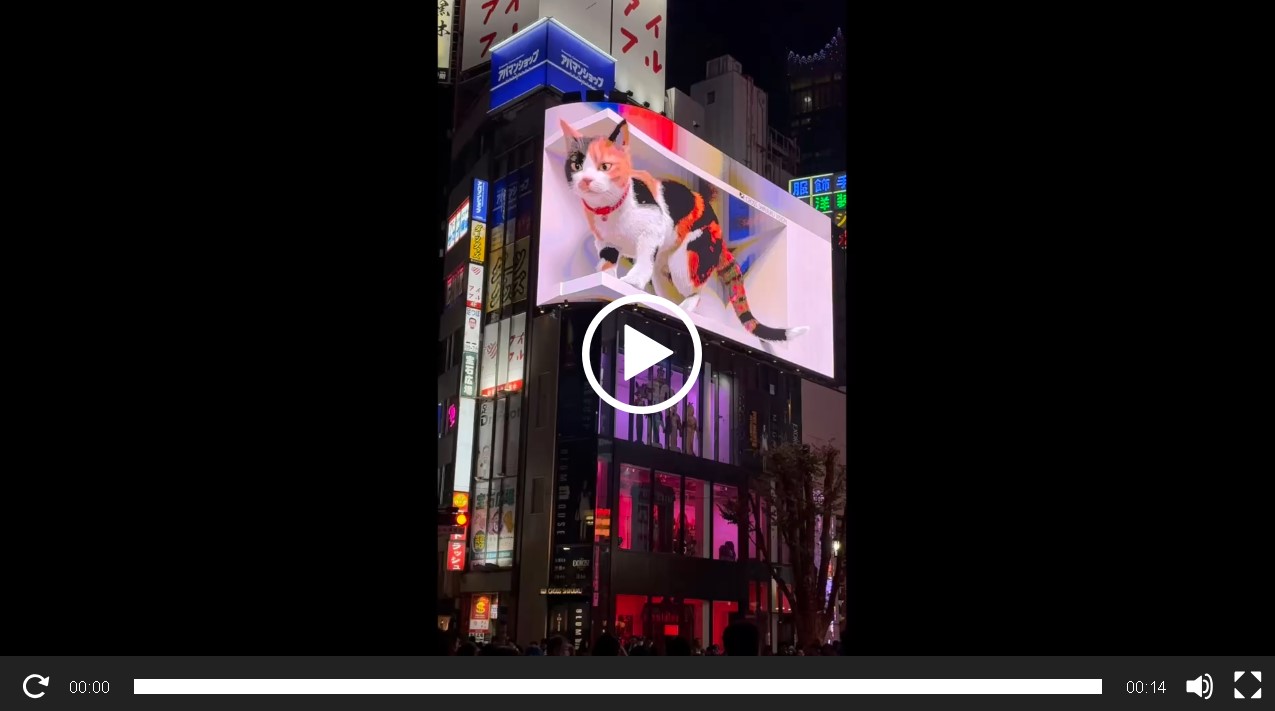
Entertaining the masses with technology in Shinjuku, this 3-D cat was huge and surreal.
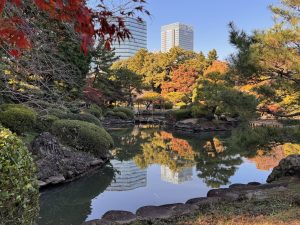
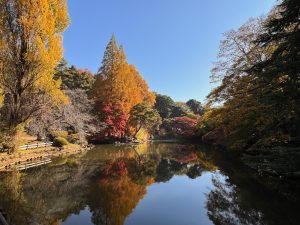
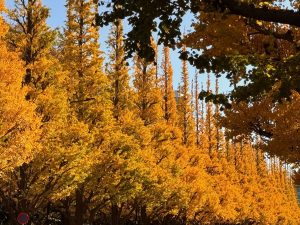
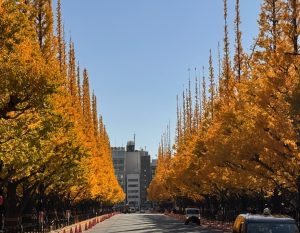
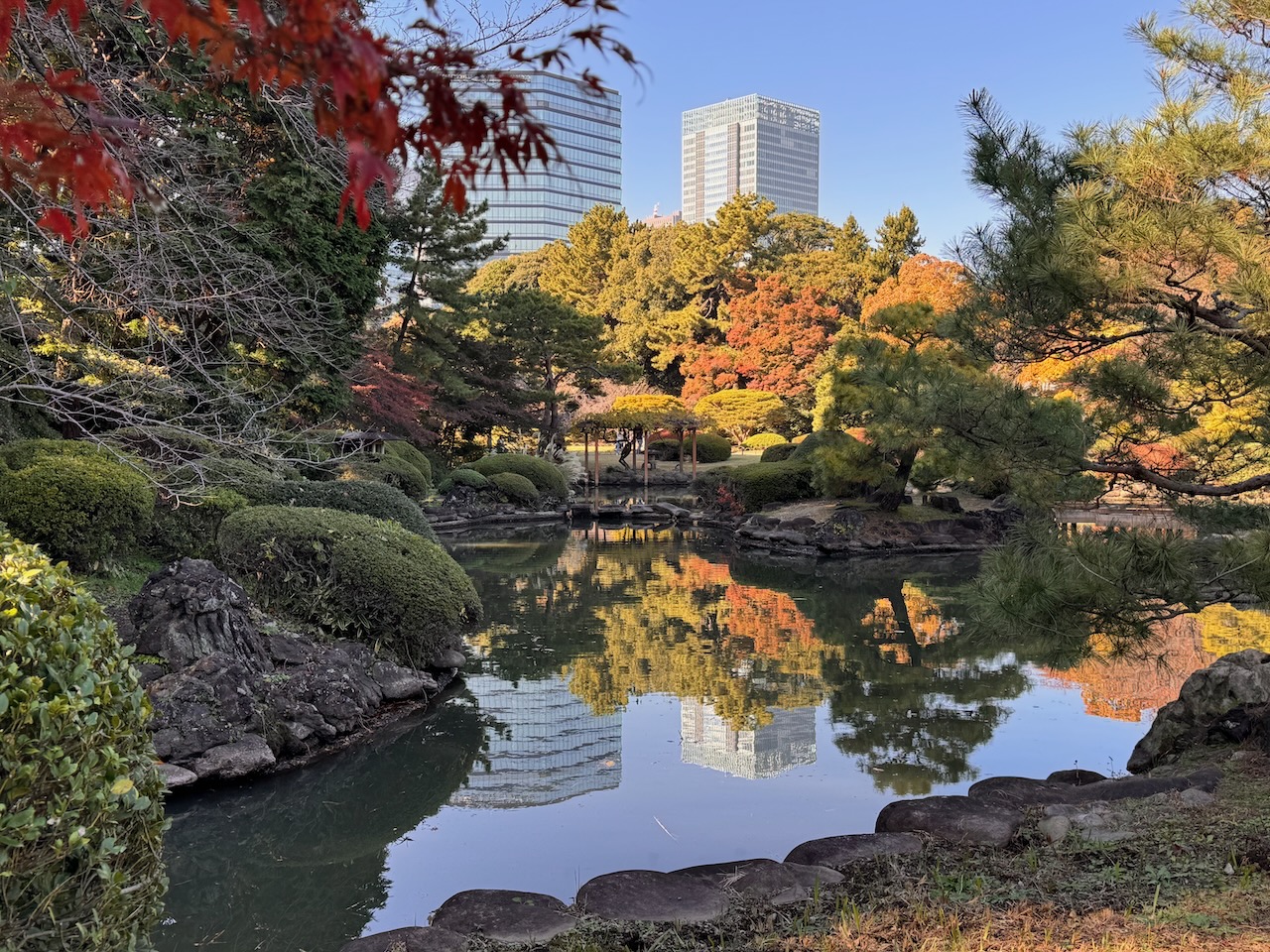
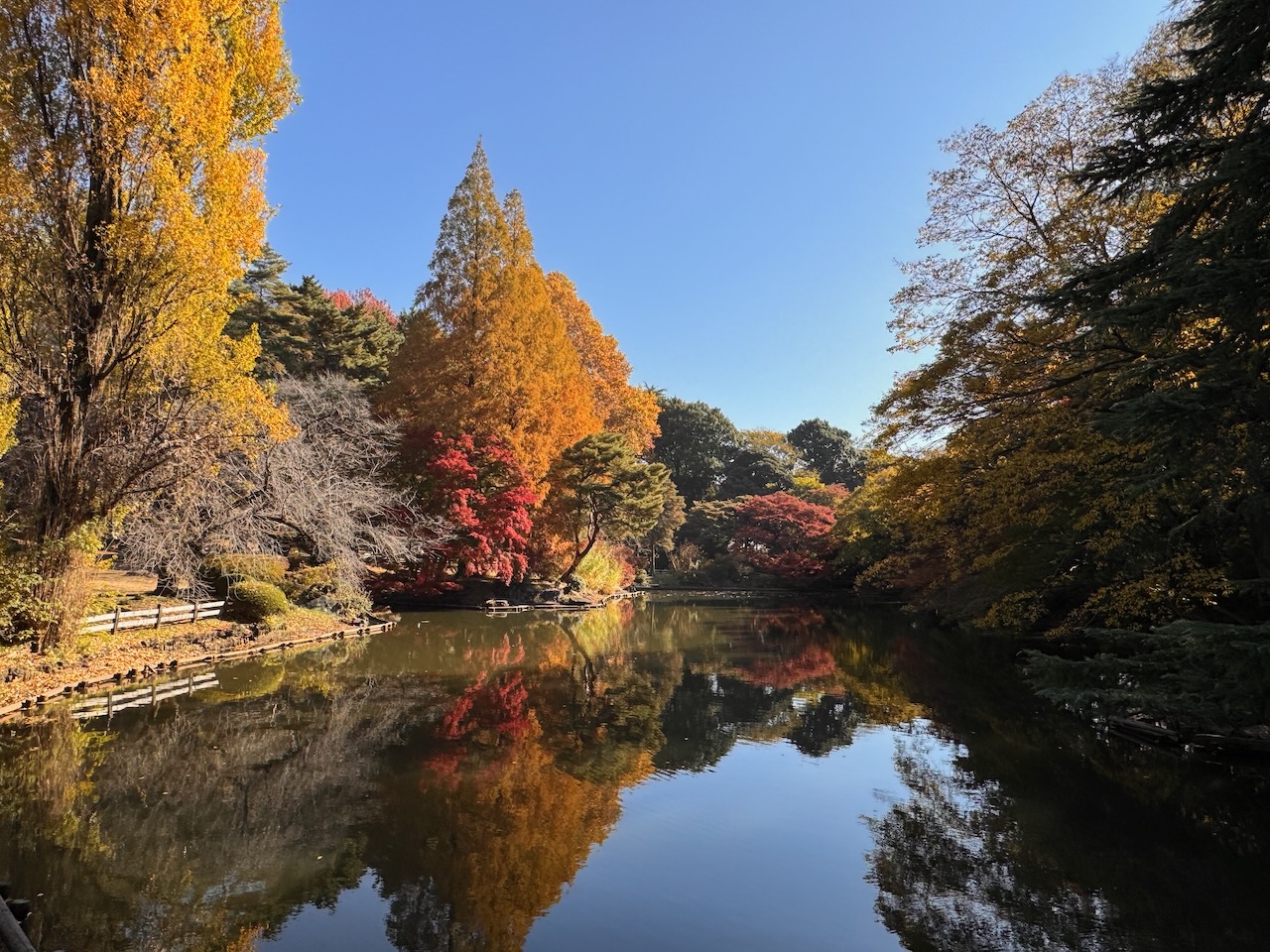
Our late afternoon flight allowed us the opportunity for a wander through Shinjuku Gyoen National Garden. The former estate is now a 144-acre park with large grassy expanses, lakes, forests, and specialized floral gardens.
5 thoughts on “48 Hours in Tokyo”
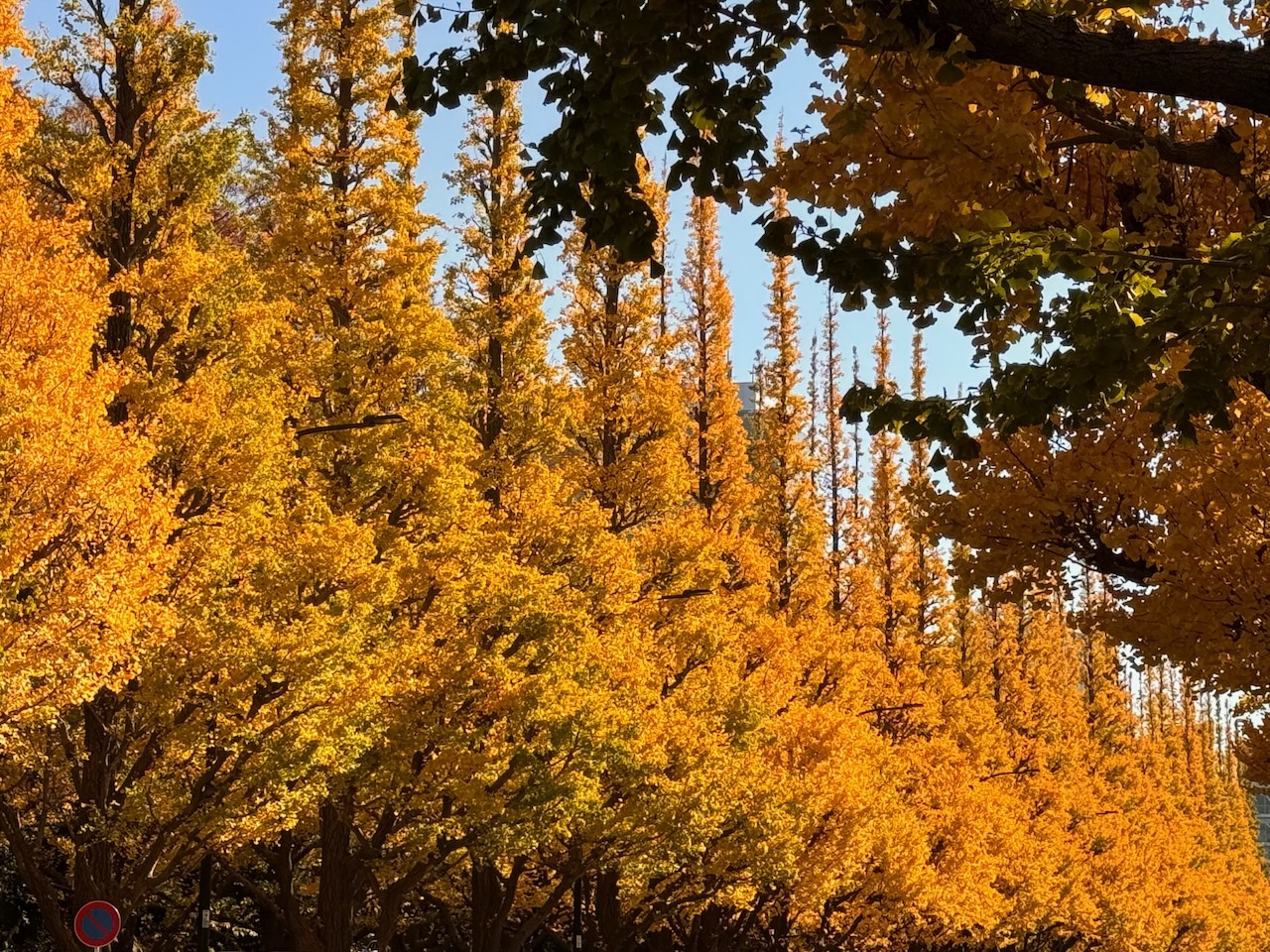
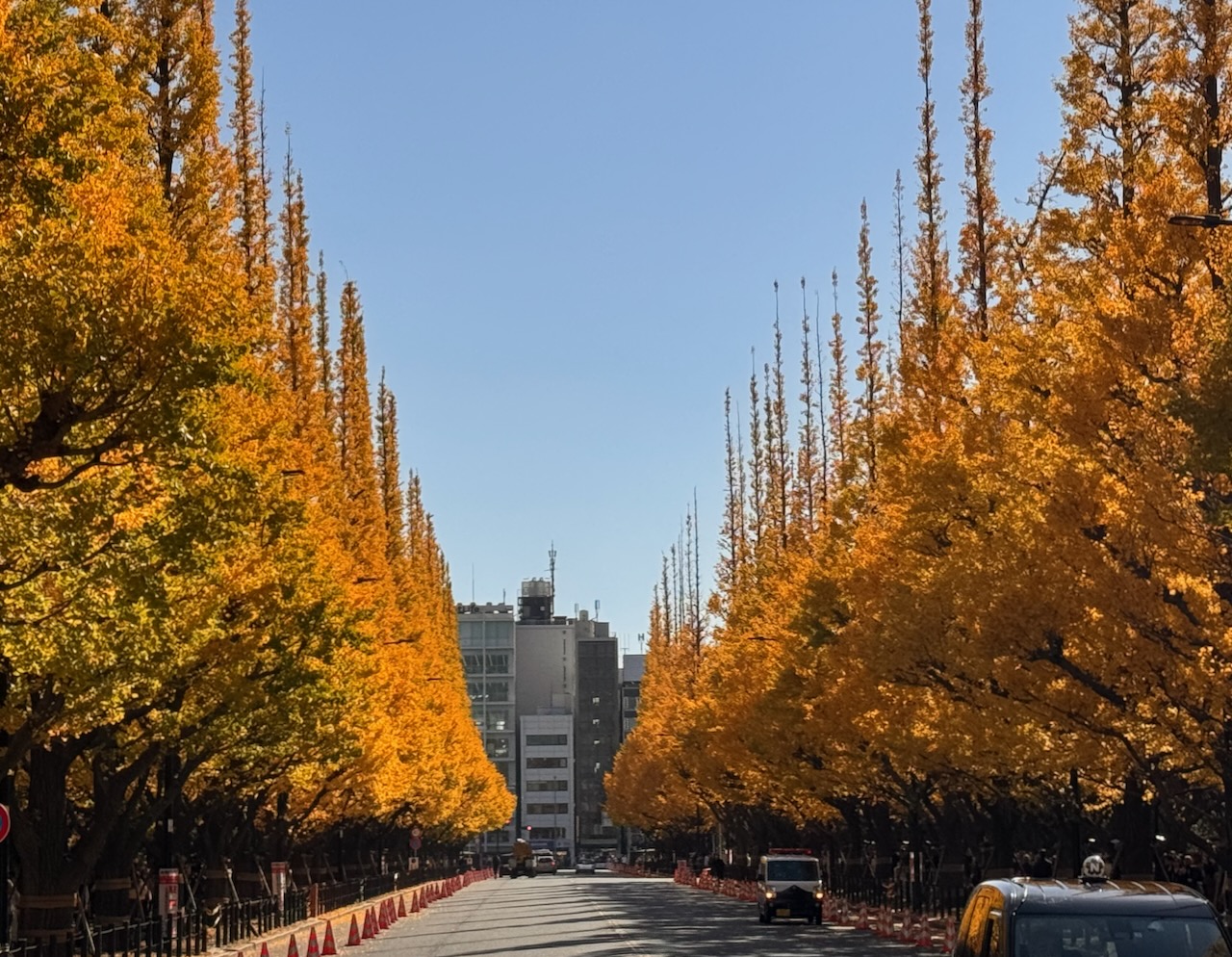
Fabulous photos again Mary. The reflections at the National Gardens and the colours are so vivid. It is a very colourful country. Another tour done very well. You are amazing how you put all your travel photos and commentary together.
Oh Mary, I had anticipated that your final stay in Toyko would be a letdown after all the gorgeous and exotic destinations you’ve shared with us. But this was a glorious finale. Especially loved the Hase-dera Temple! As you said, it might be one of the most stunning gems from all your travels throughout Japan. Domo arigato, gozai-masu!
Thank you Mary. Absolutely delightful arm-chair travelling for me.
Joe being Sushi maker is not your forte but I do admire your efforts.
Thankyou dears for your shared journey. We surelyenjoyed it and wish we were with you. You are truely missed.
Love you dears xxxx
I love seeing your adventures, and Japan is one place I had never seen much about. I so enjoyed riding along with you!
Jacki