Takayama in the Alps
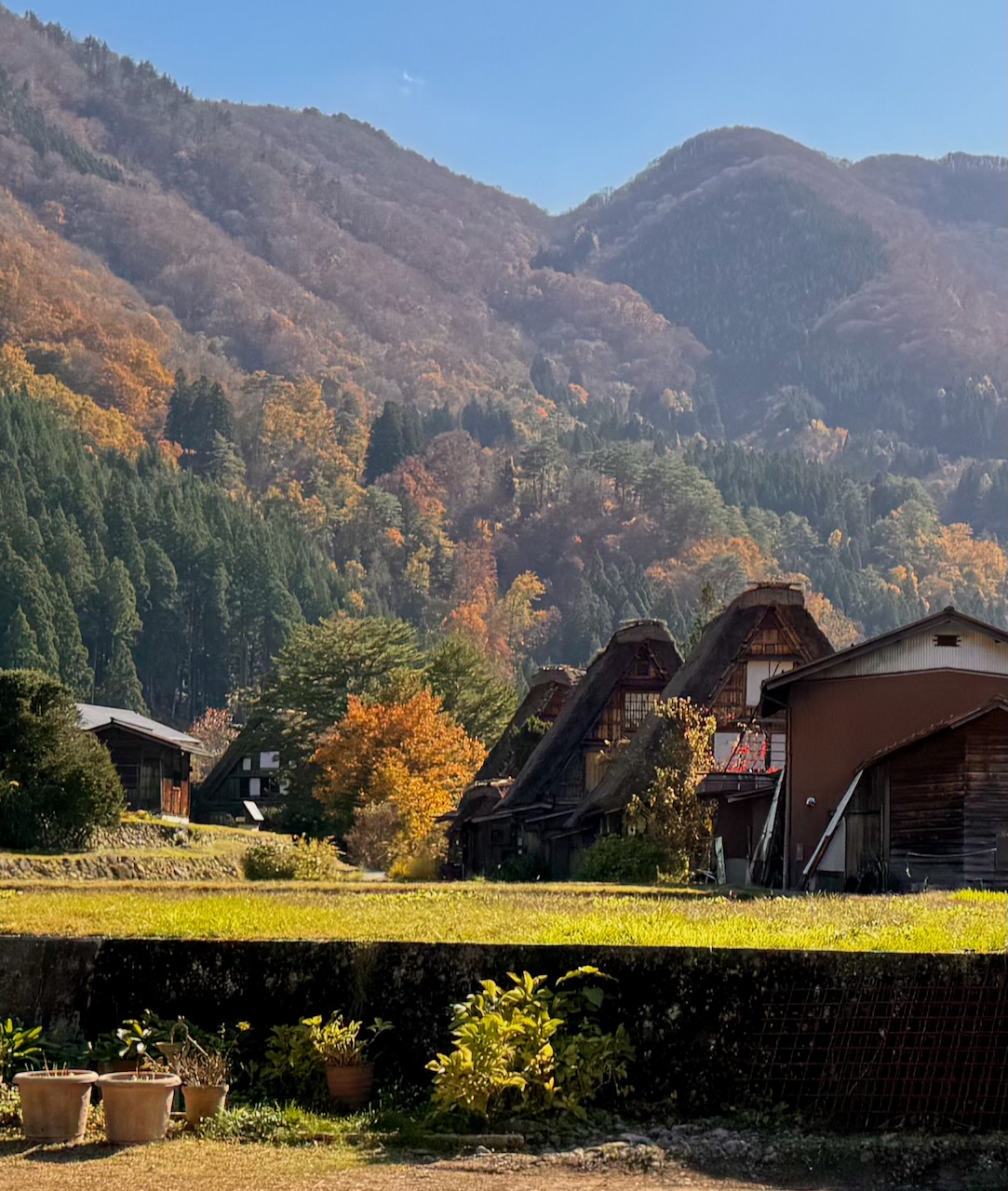
We traveled by “highway” bus to Takayama with a pit stop in Shirakawago, a quaint UNESCO village that was on our must-see list, but our IJ planner neglected to make this a longer stop. When we realized this, it was too late to incorporate it into our itinerary. We tried again to change the plan on the day we traveled but the bus company wouldn’t play.
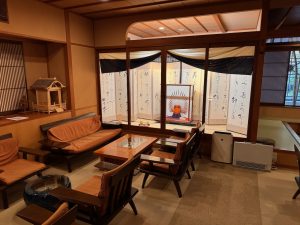
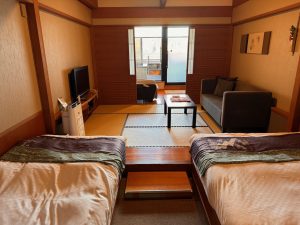
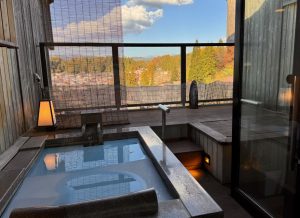
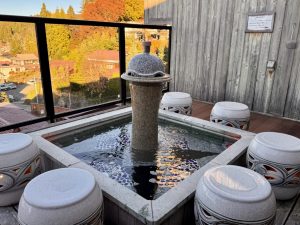
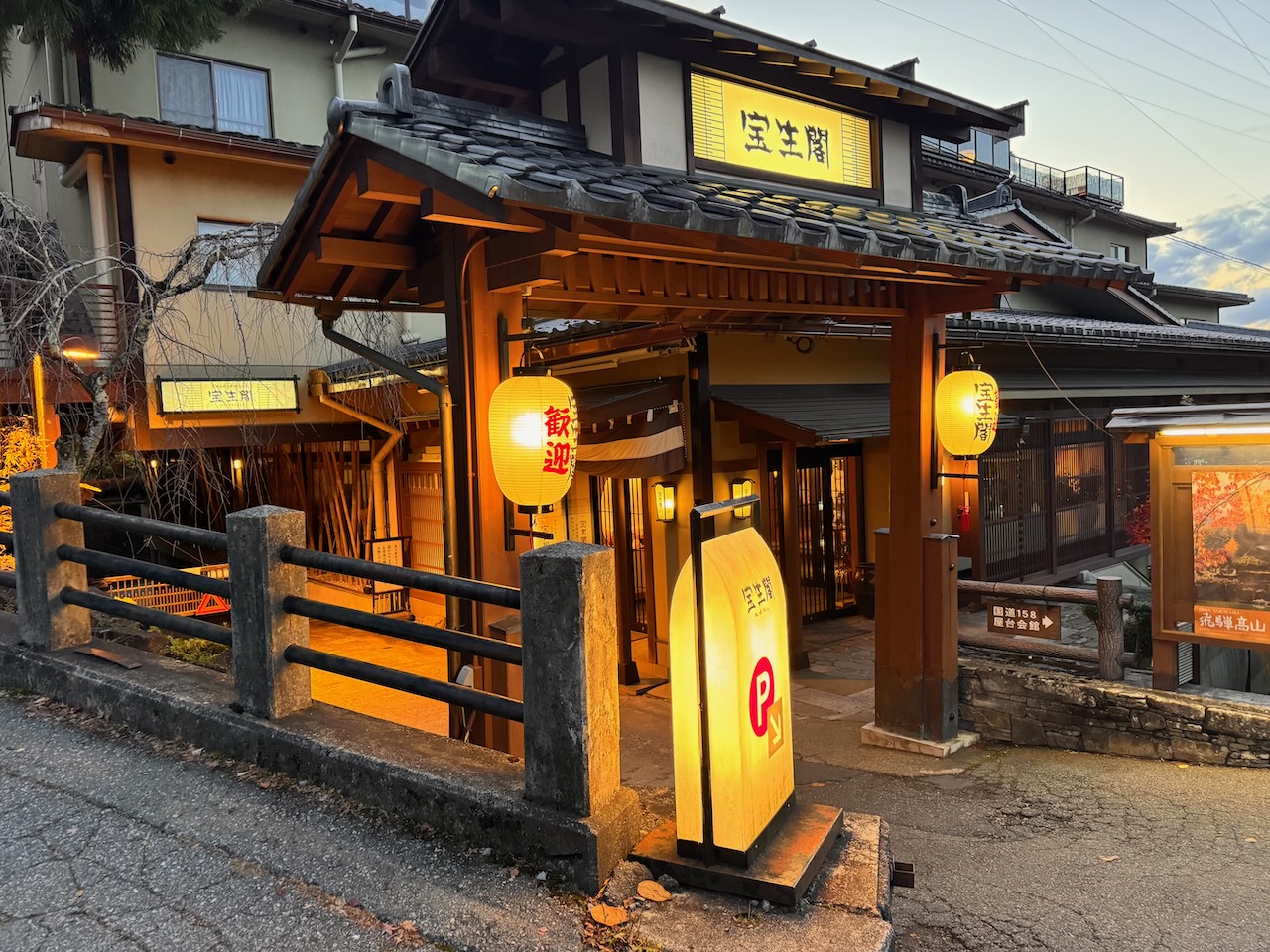
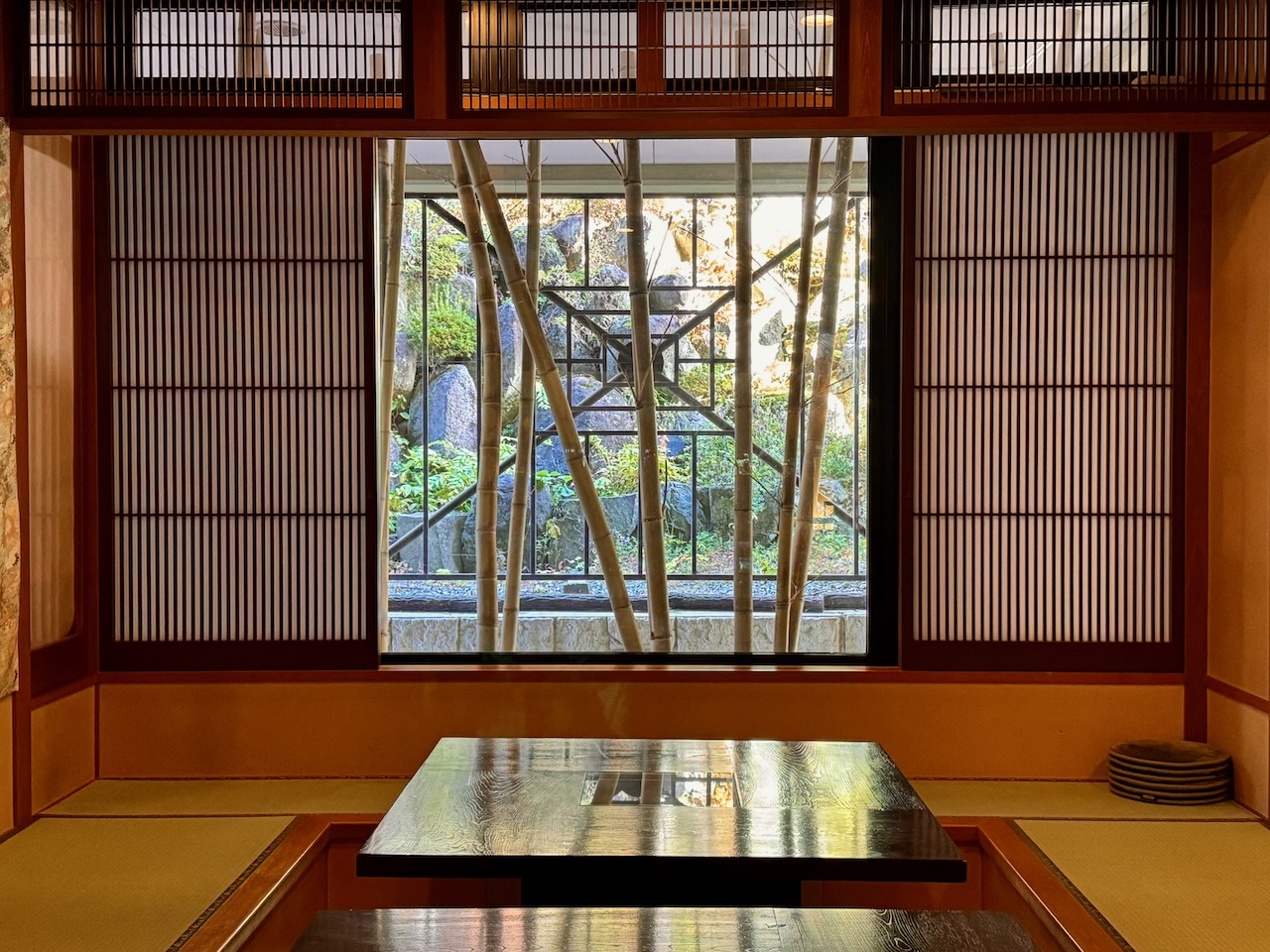
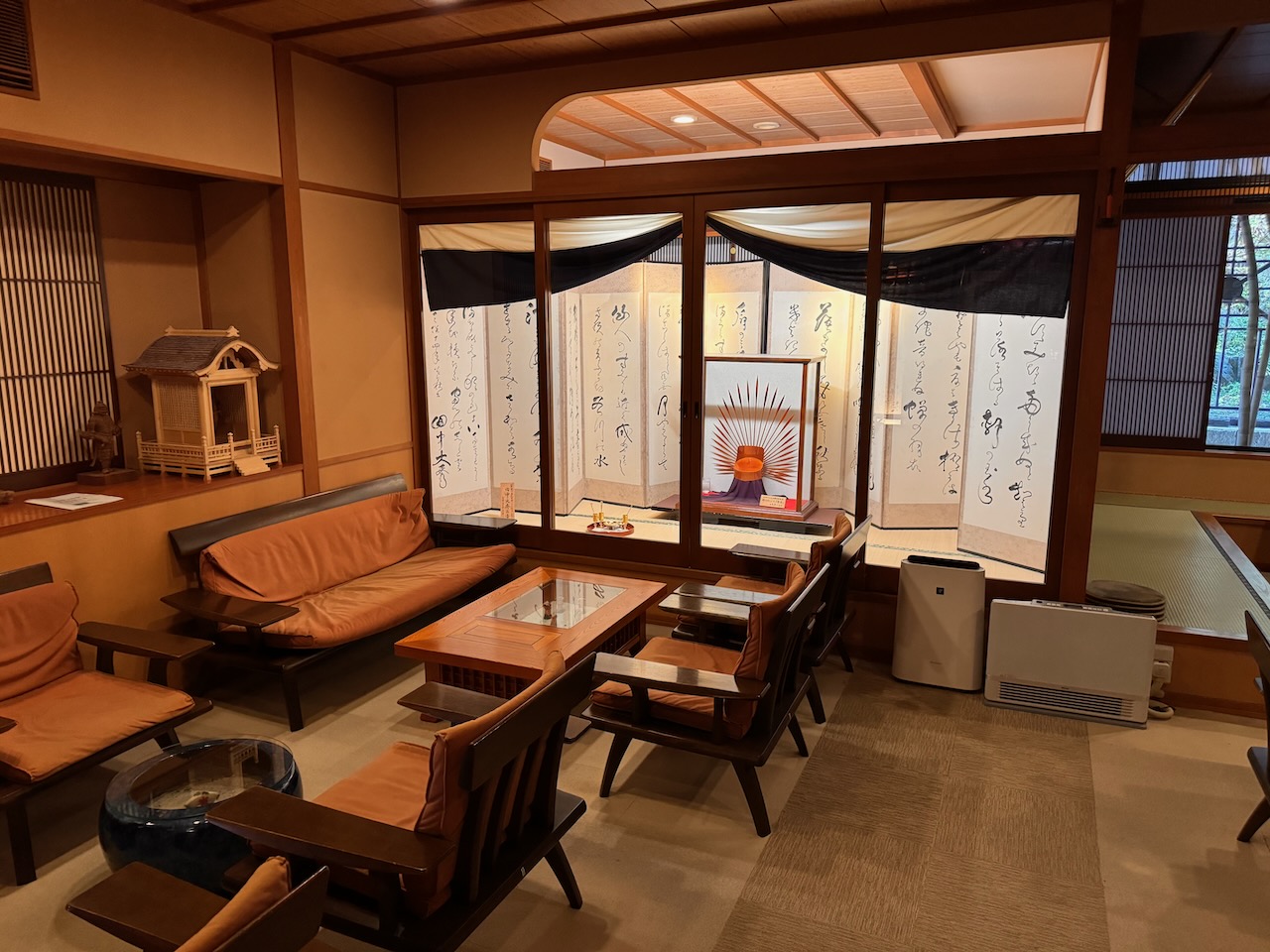
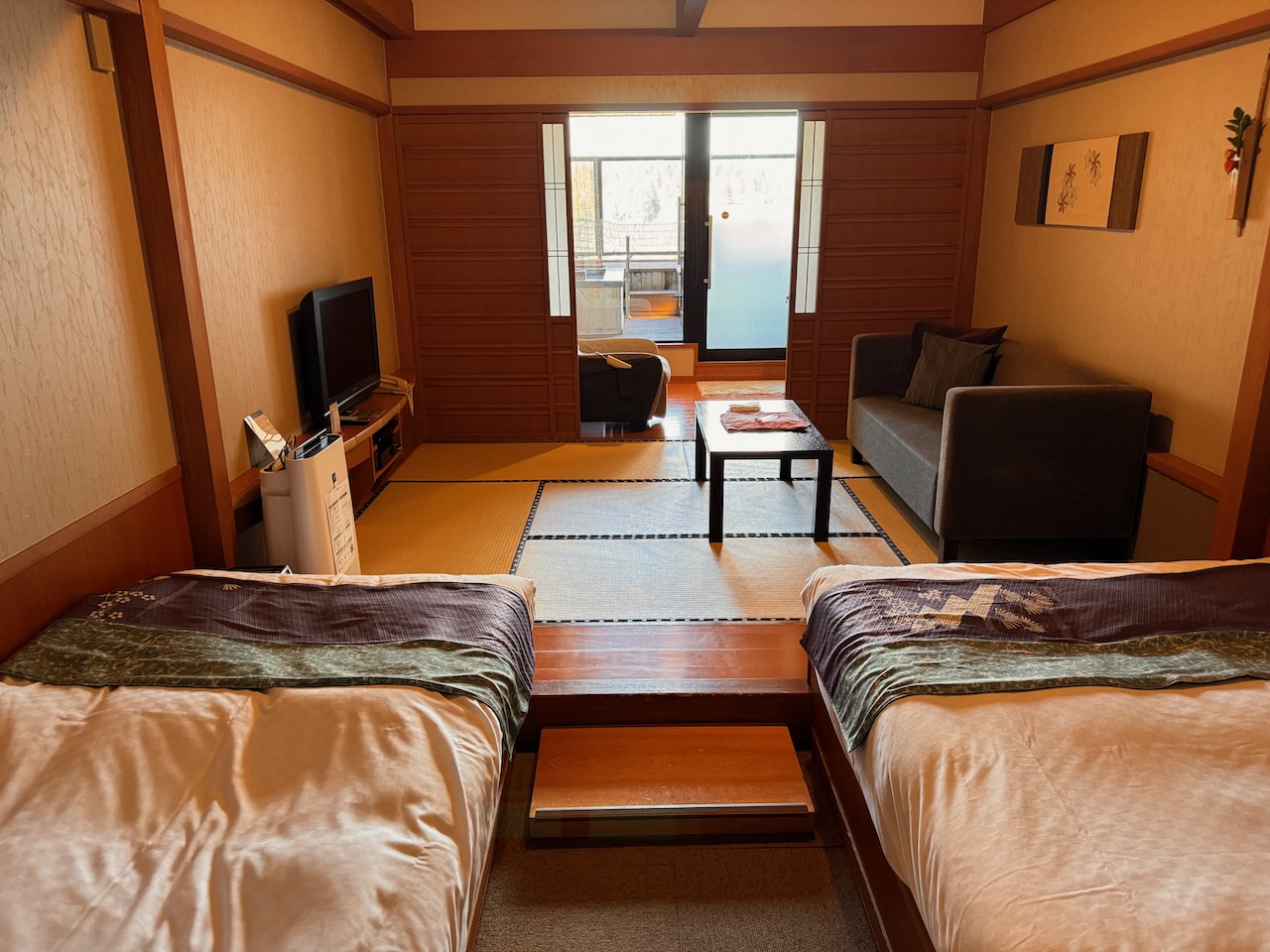
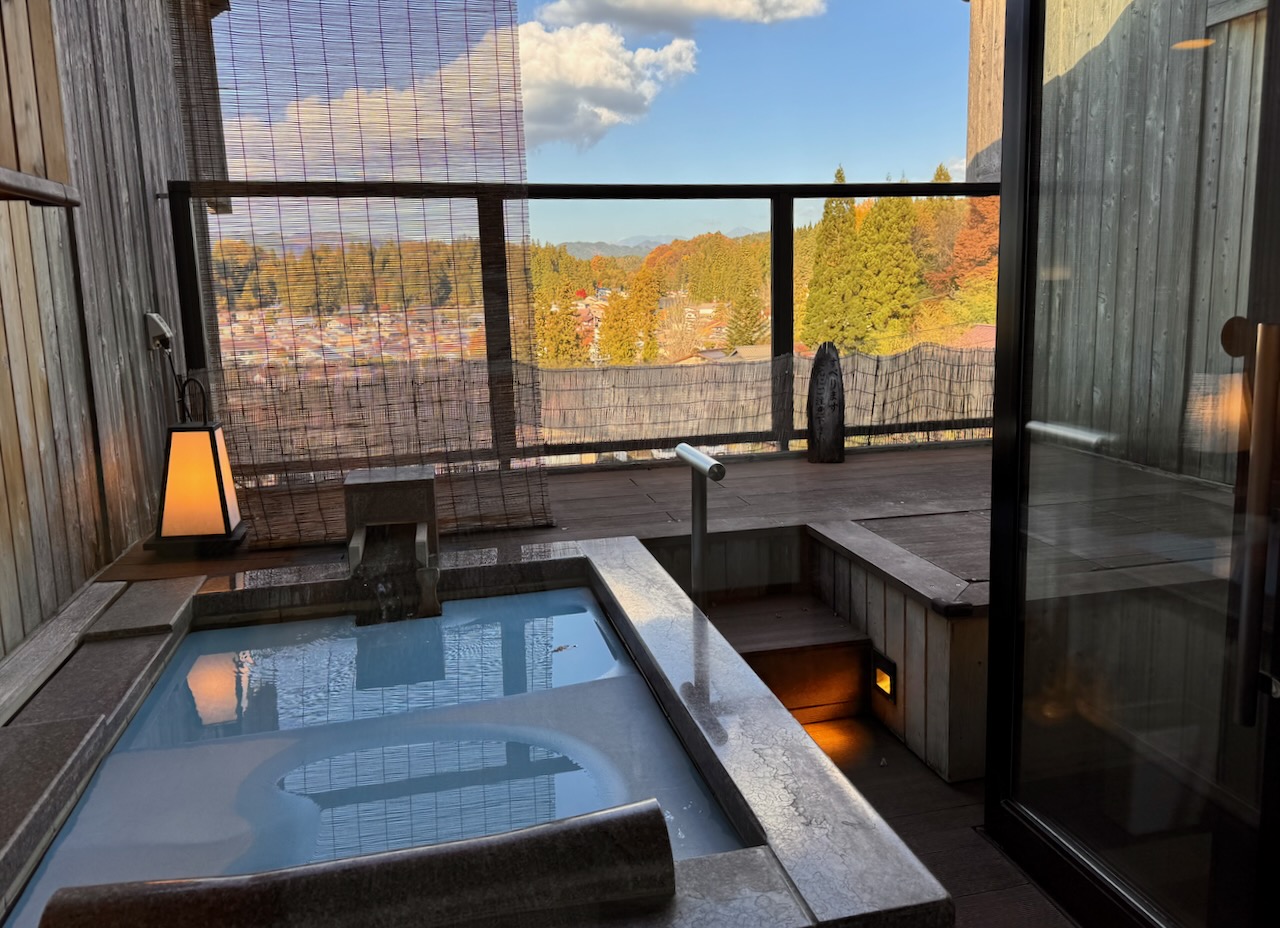
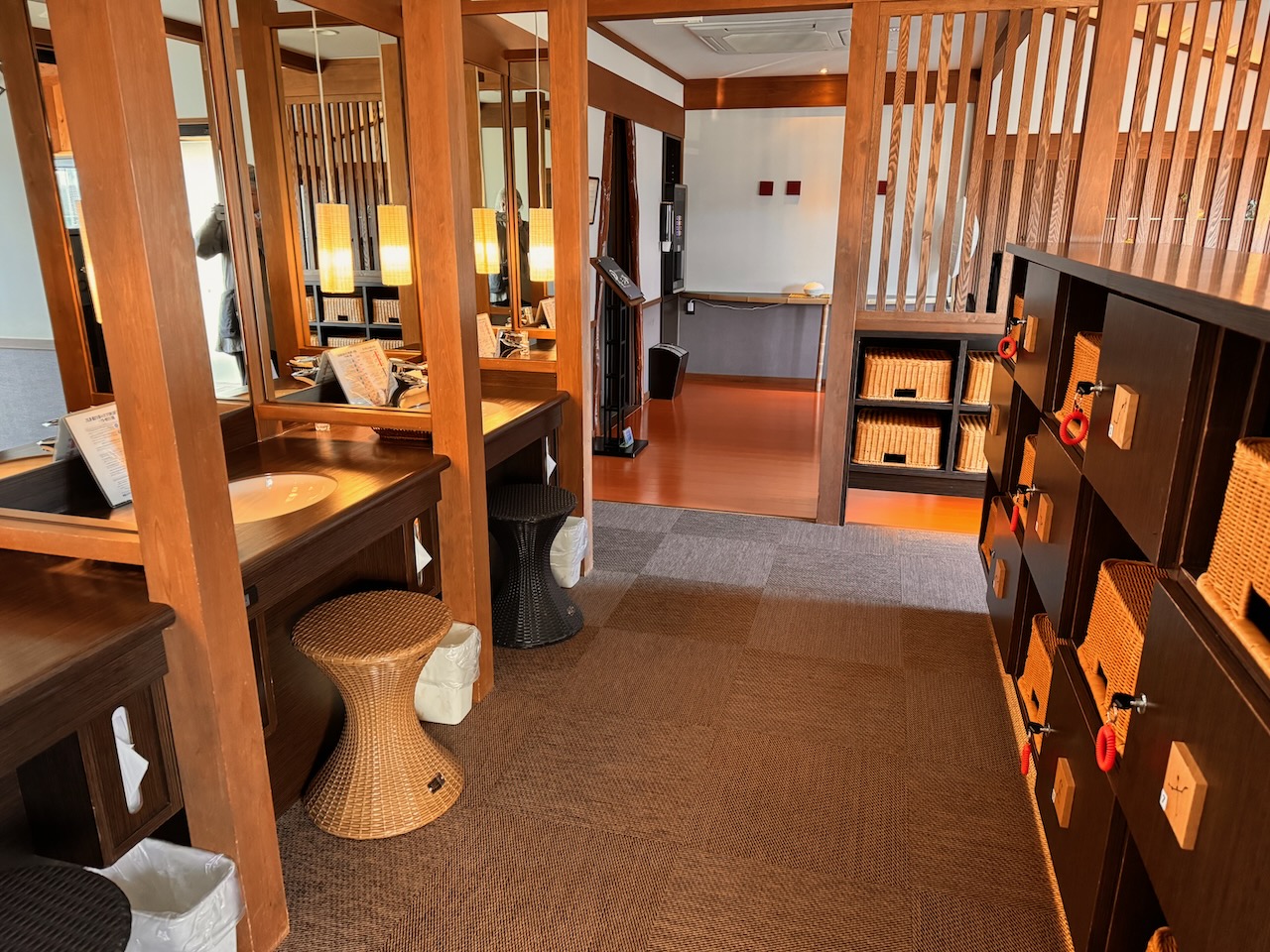
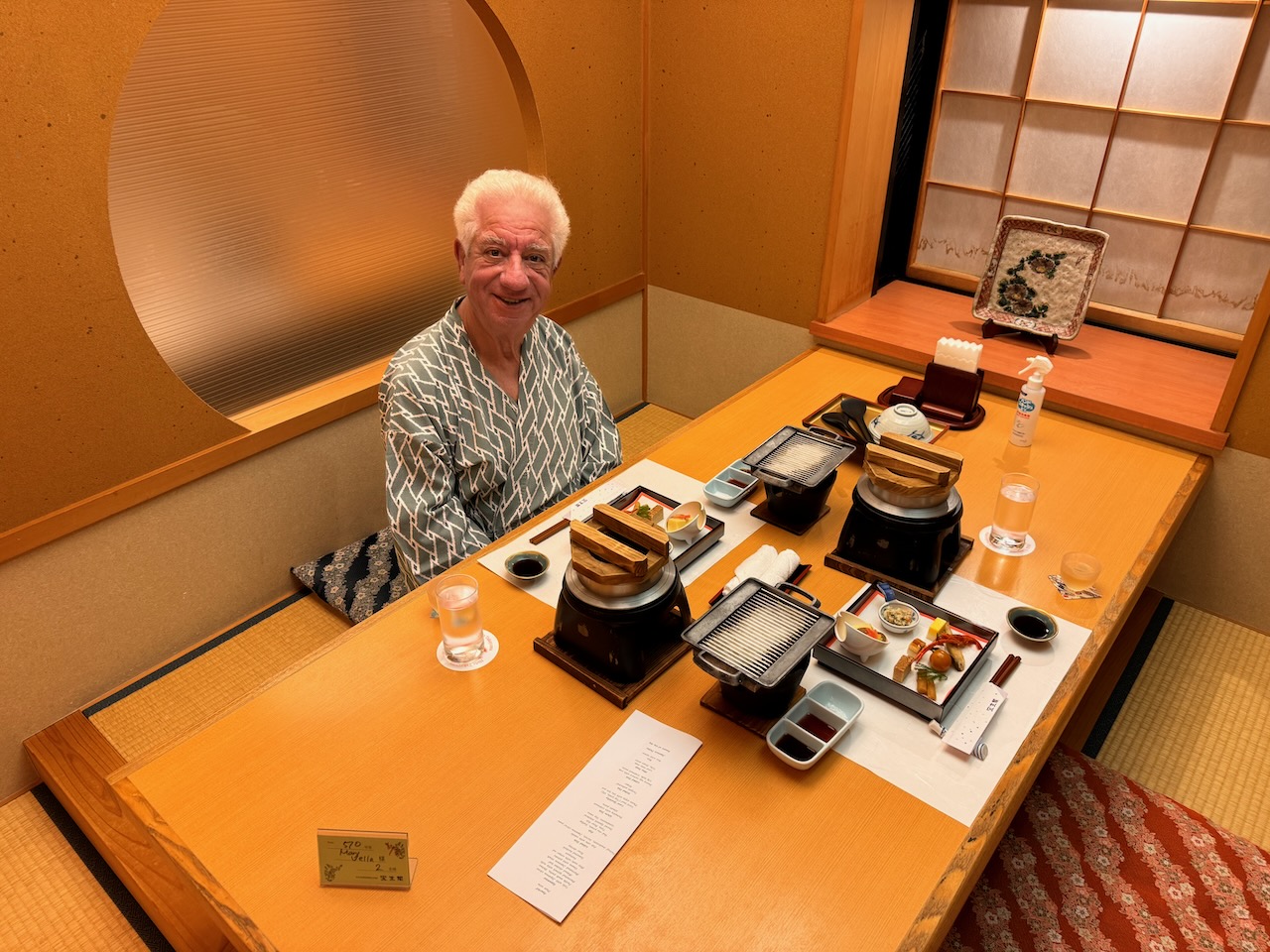
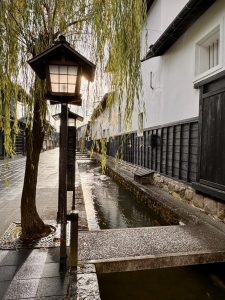
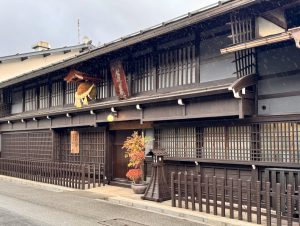
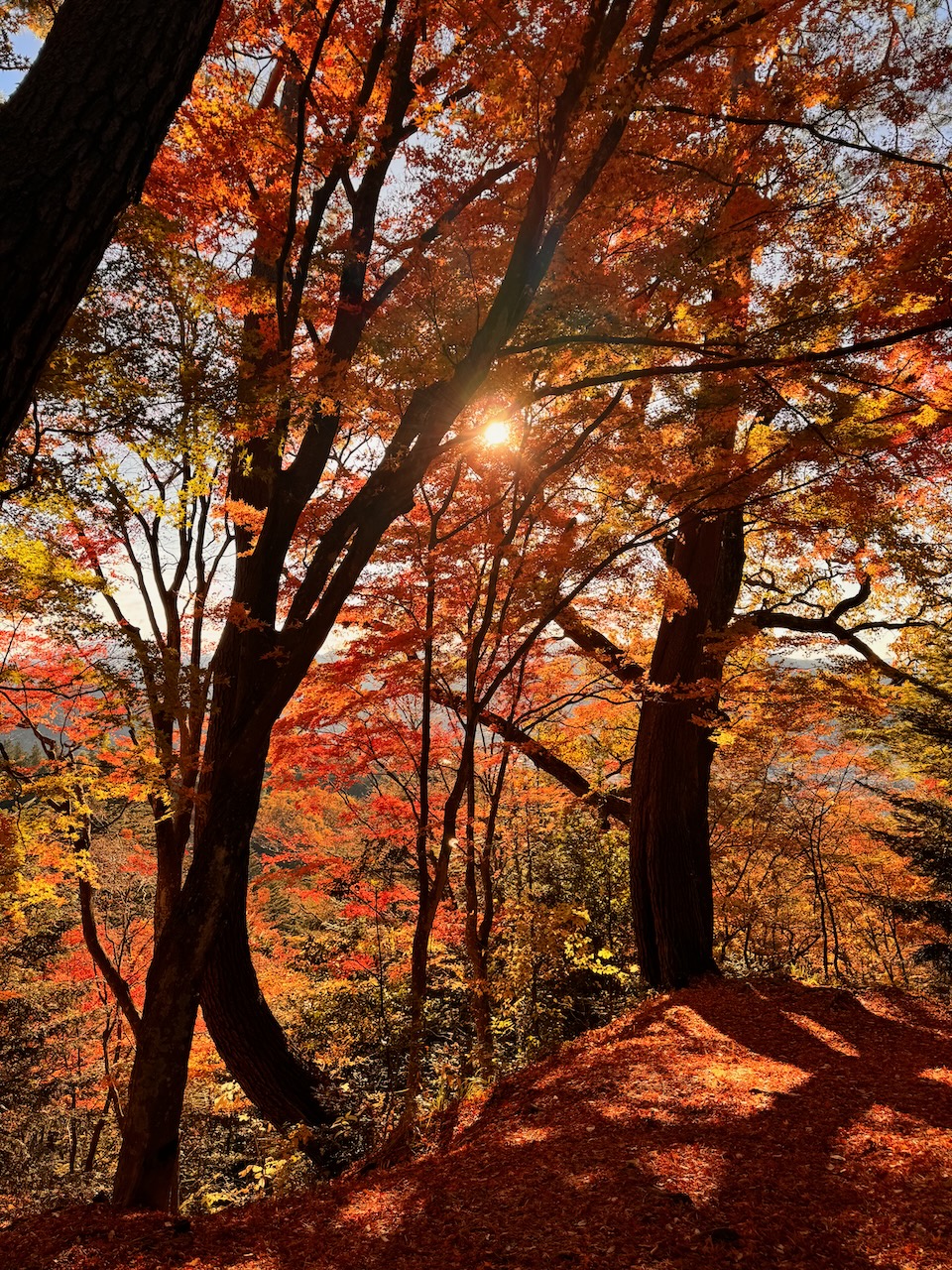
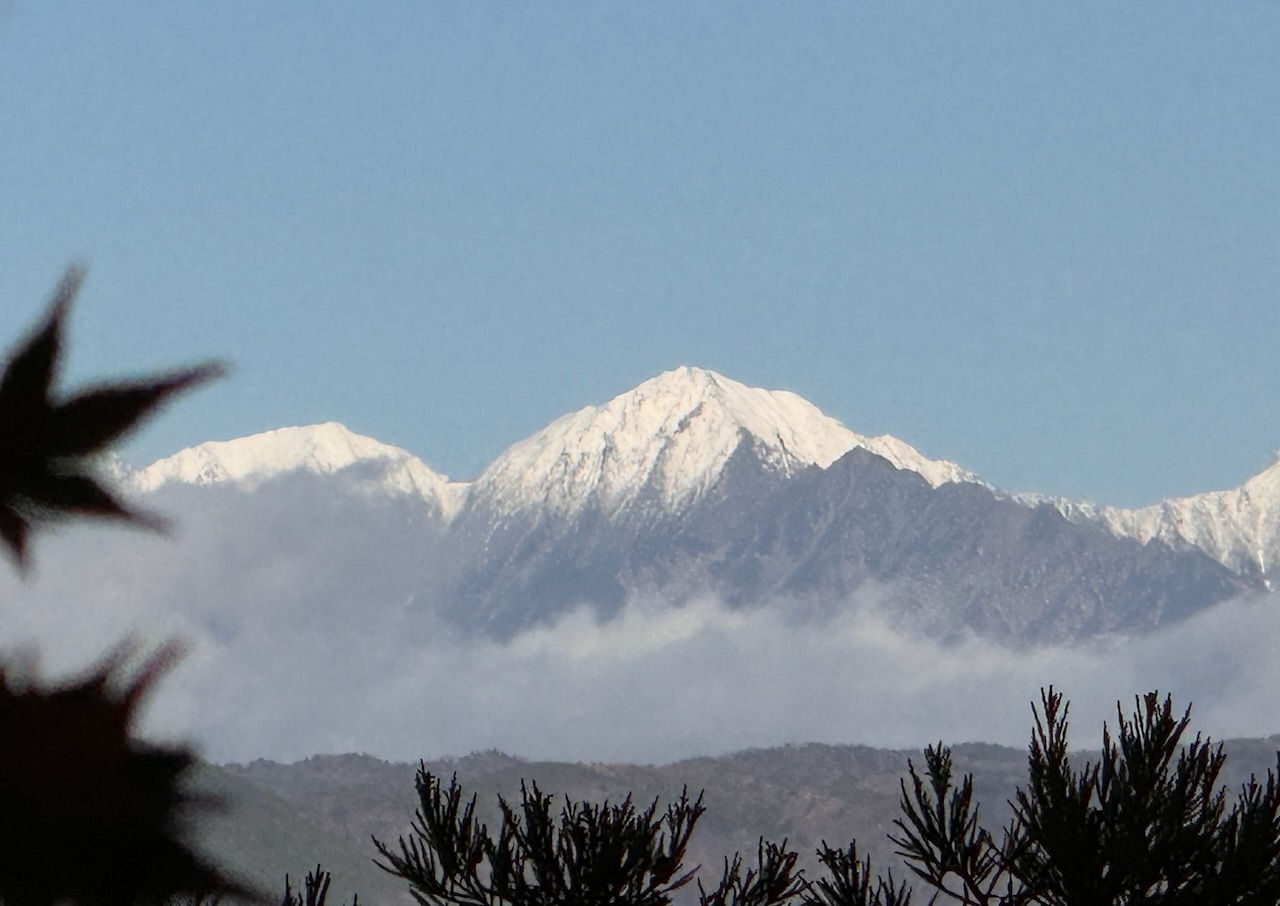
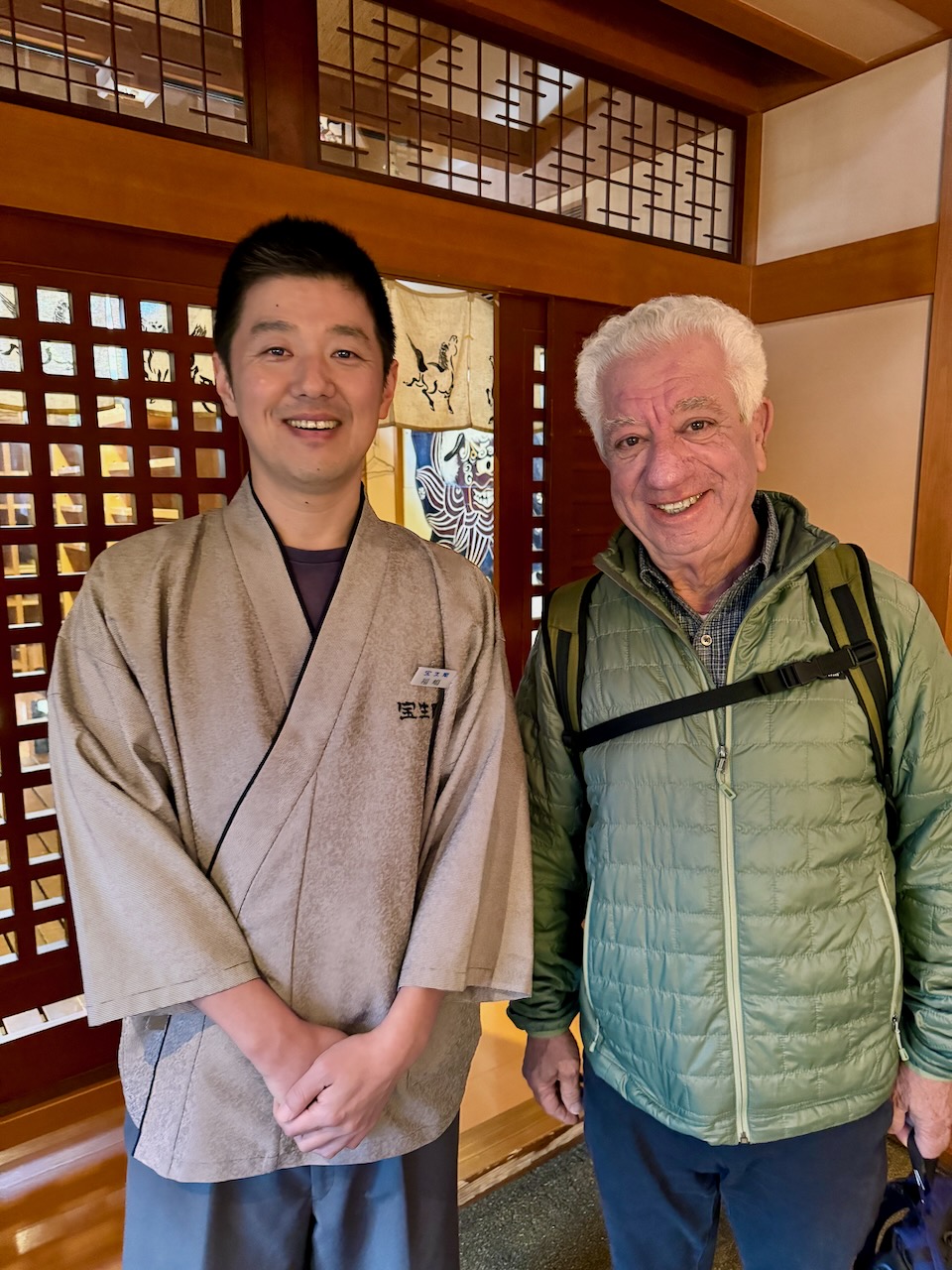
The narrow streets of Takayama’s historic district are lined with wooden merchant’s houses dating to the Edo period. Water channels and planter boxes add to the already charming scene. We headed up a hill to our second ryokan, Hoshokaku, which was quite a different scenario to our Sado home. We were warmly greeted at the entry by several staff then required to relinquish our footwear in exchange for “indoor” shoes as soon as we walked inside. Escorted to our top floor room, we had a great view of the wooded hills beginning their autumn splendor.
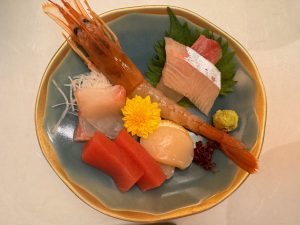
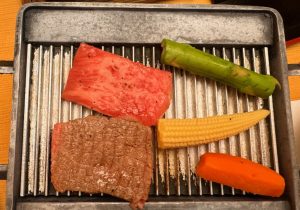
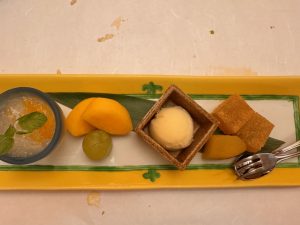
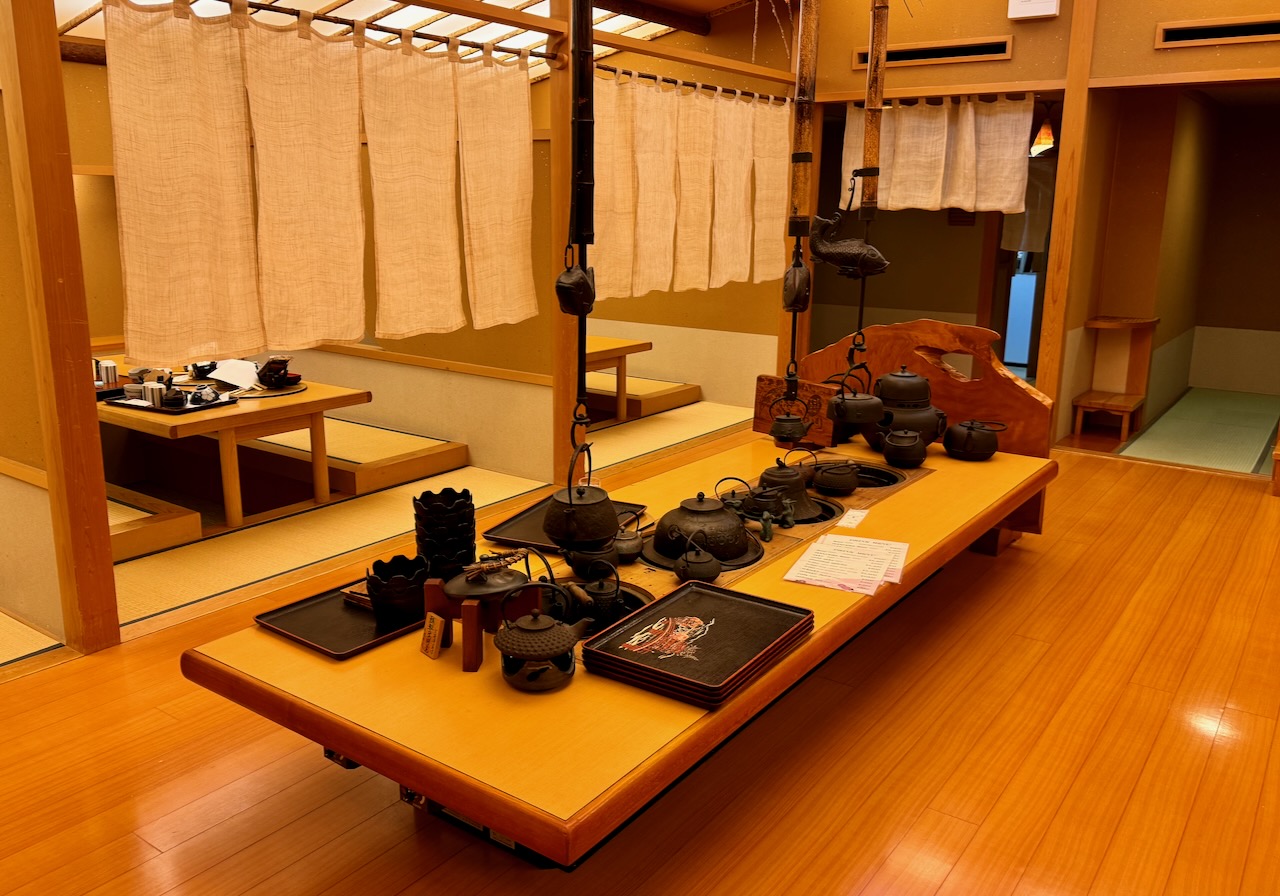
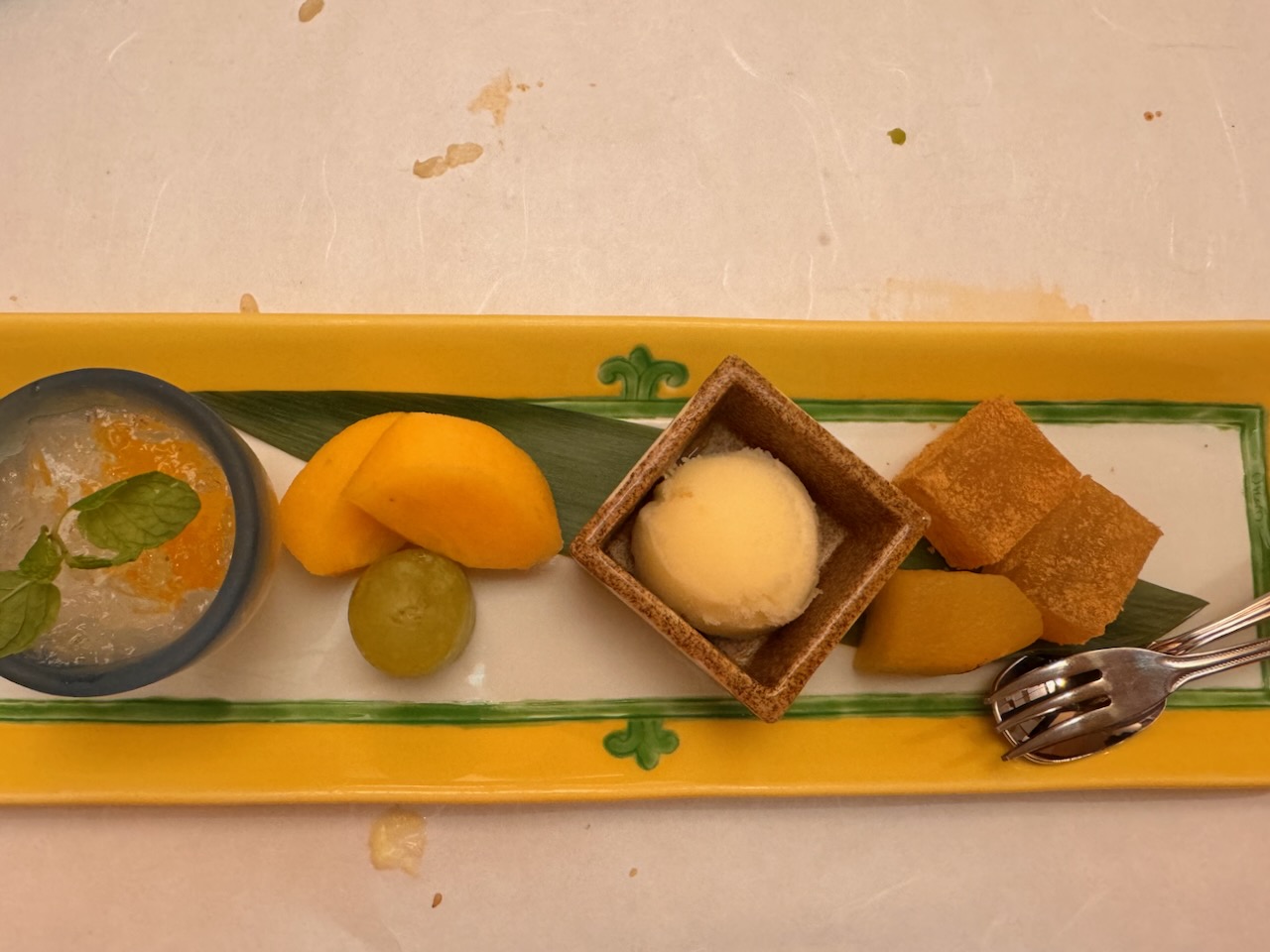
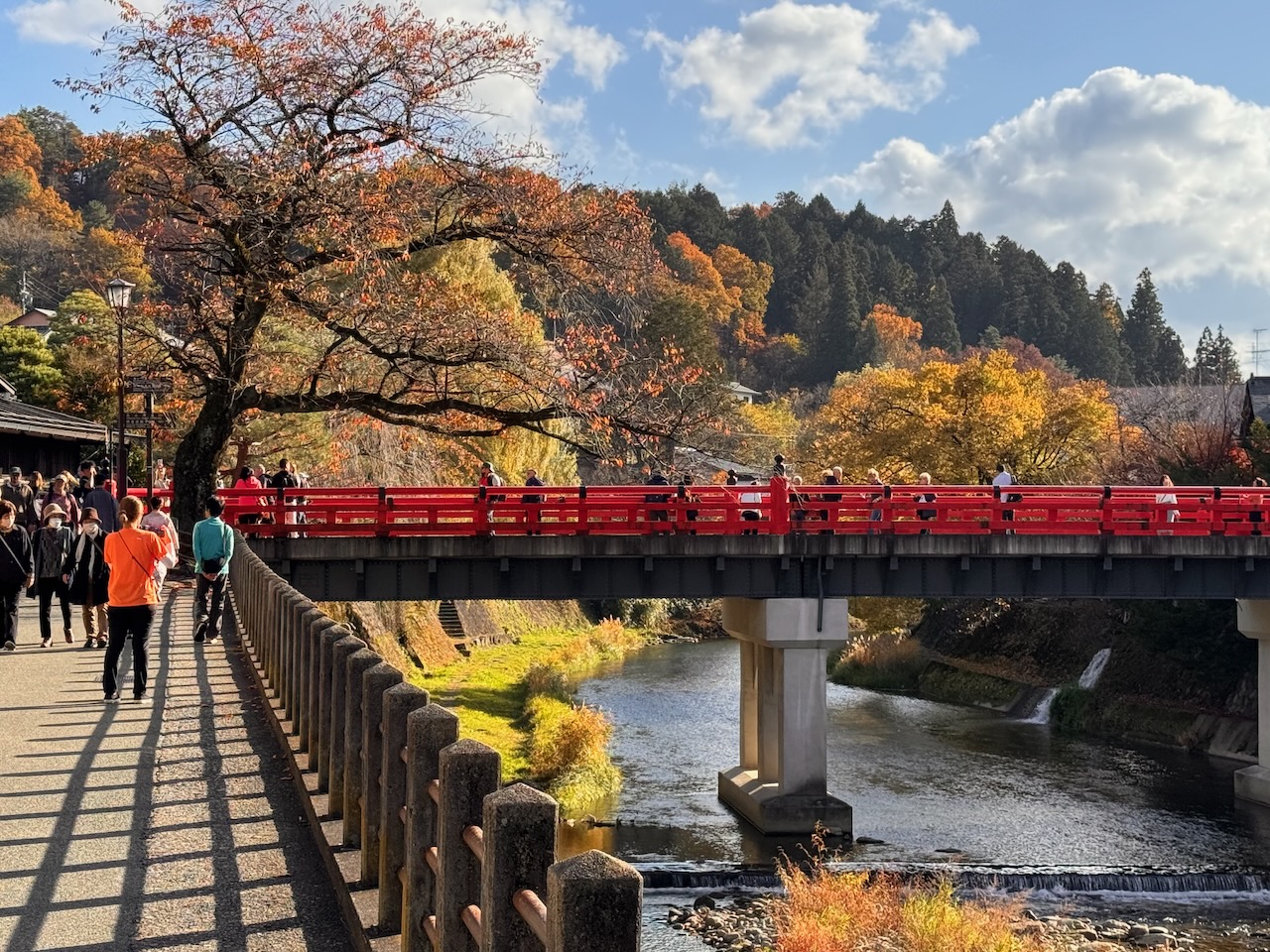
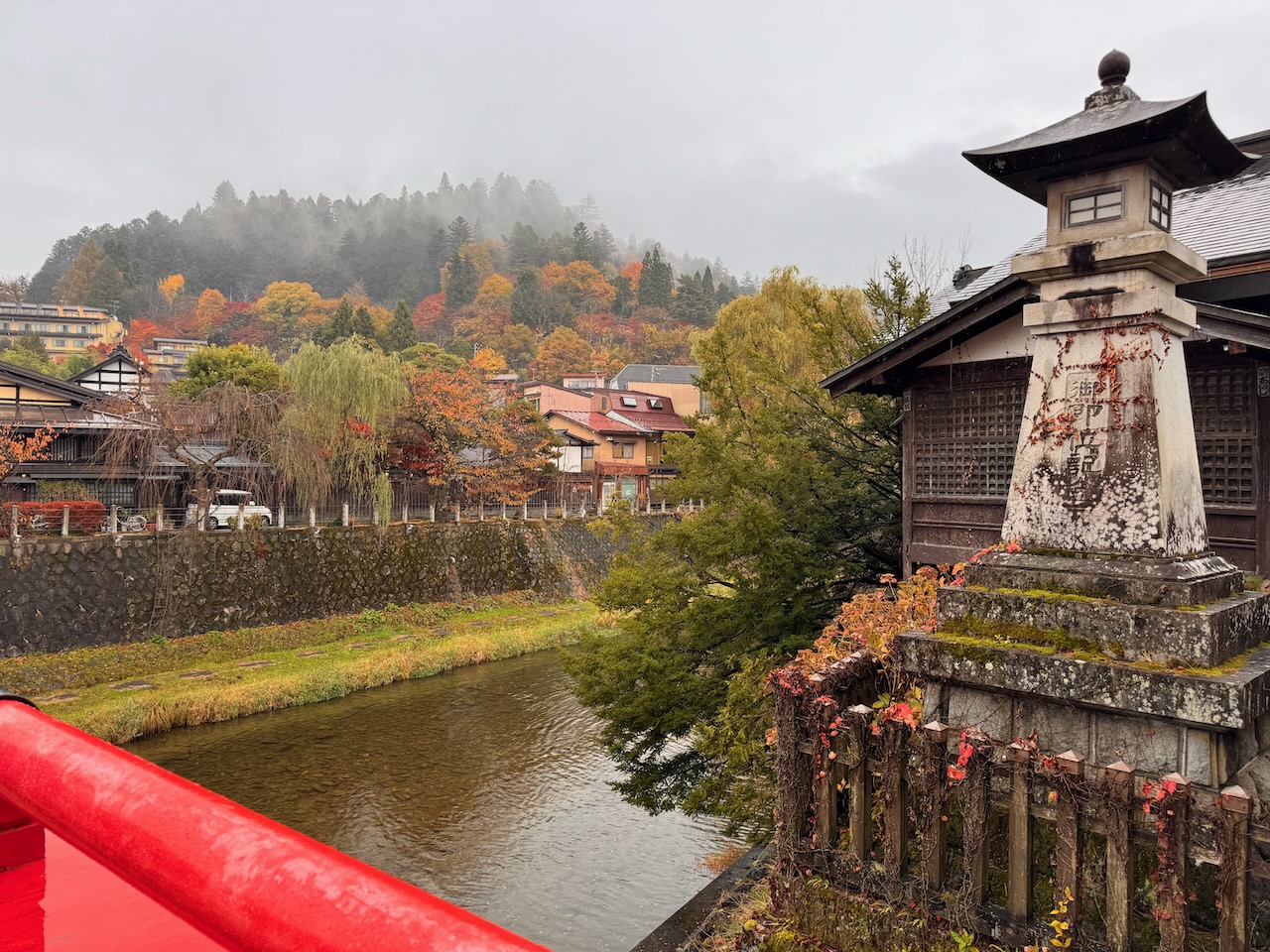
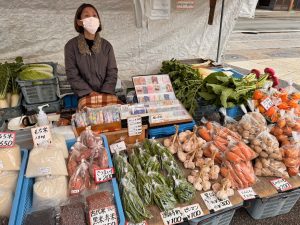
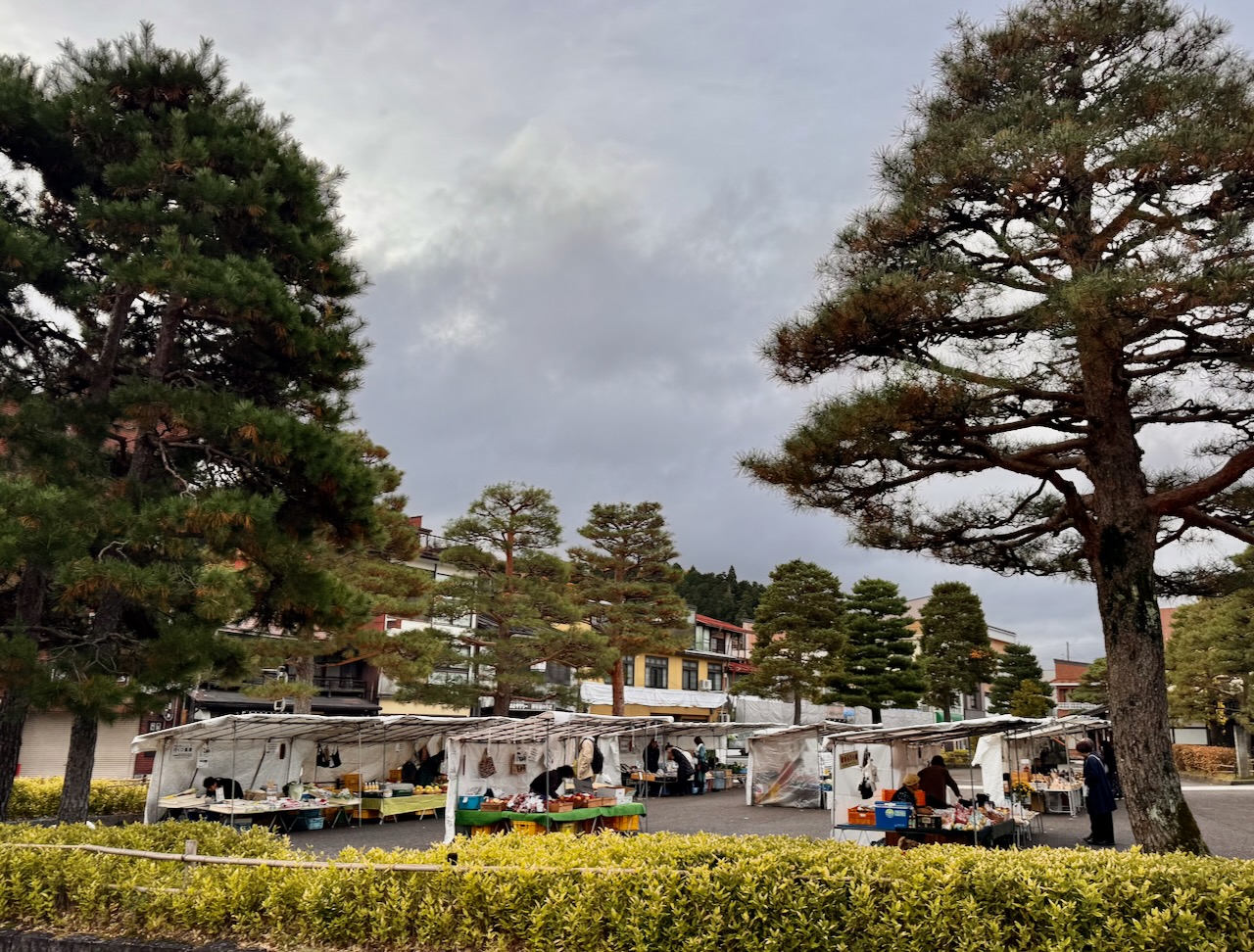
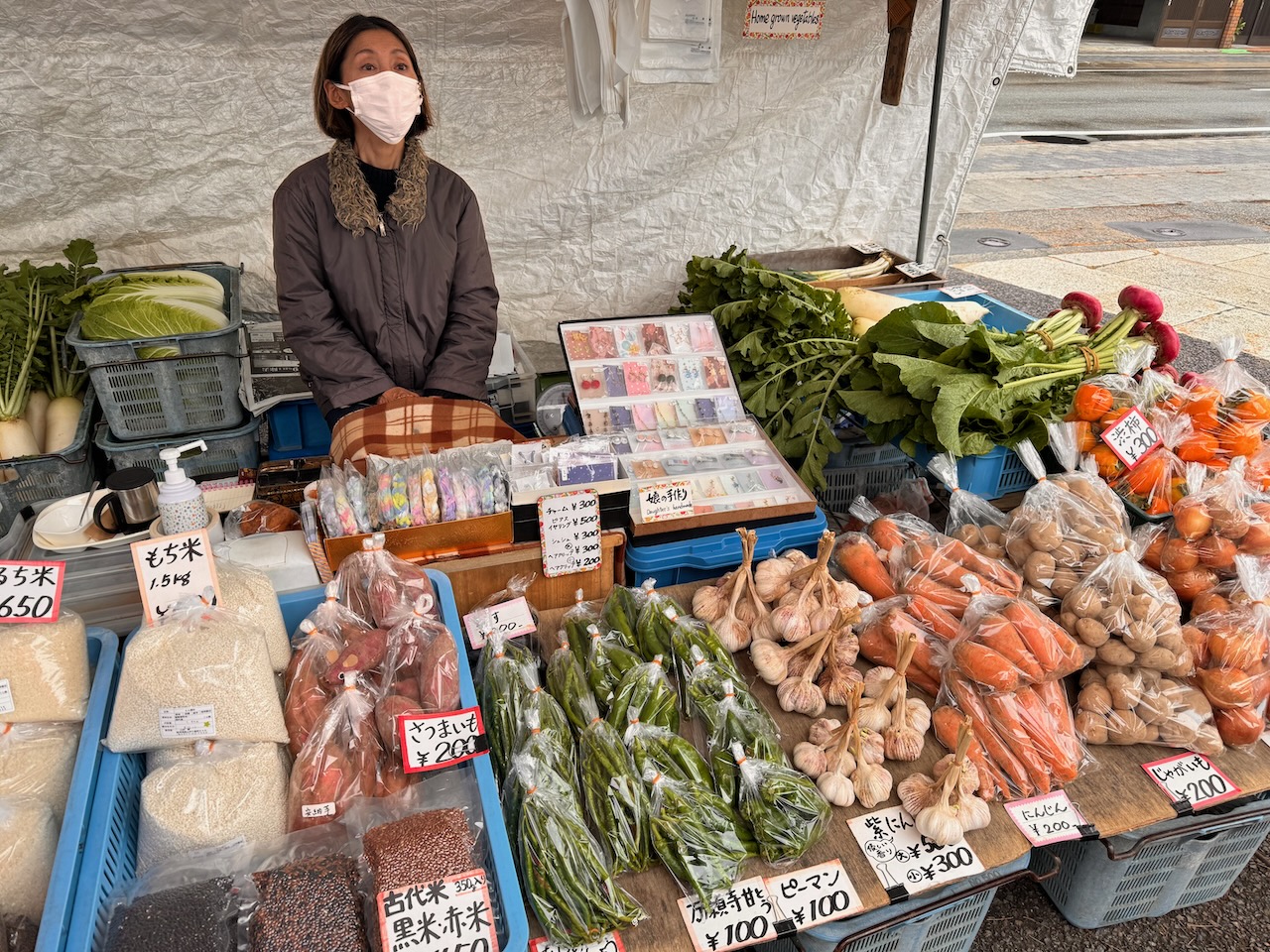
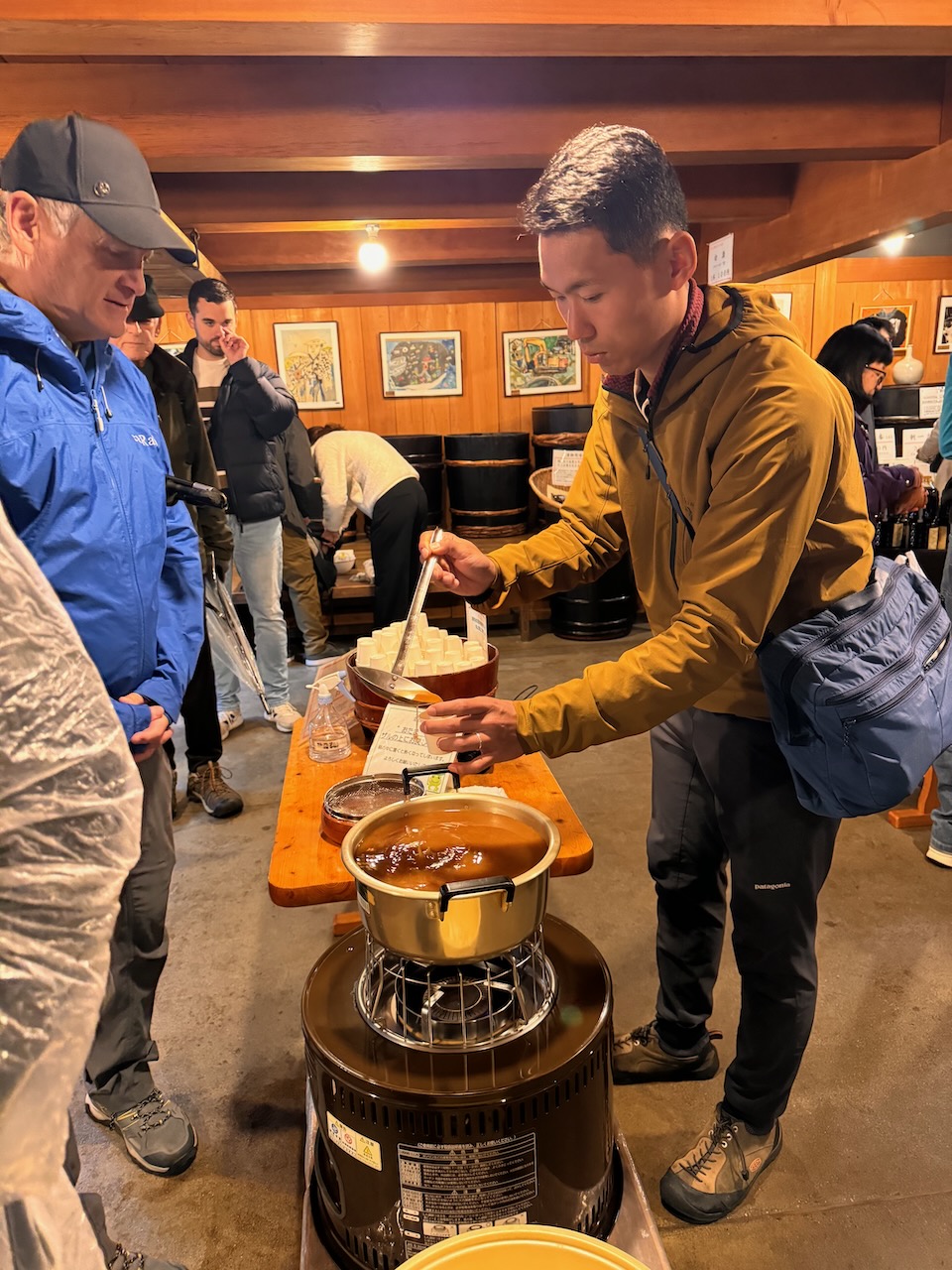
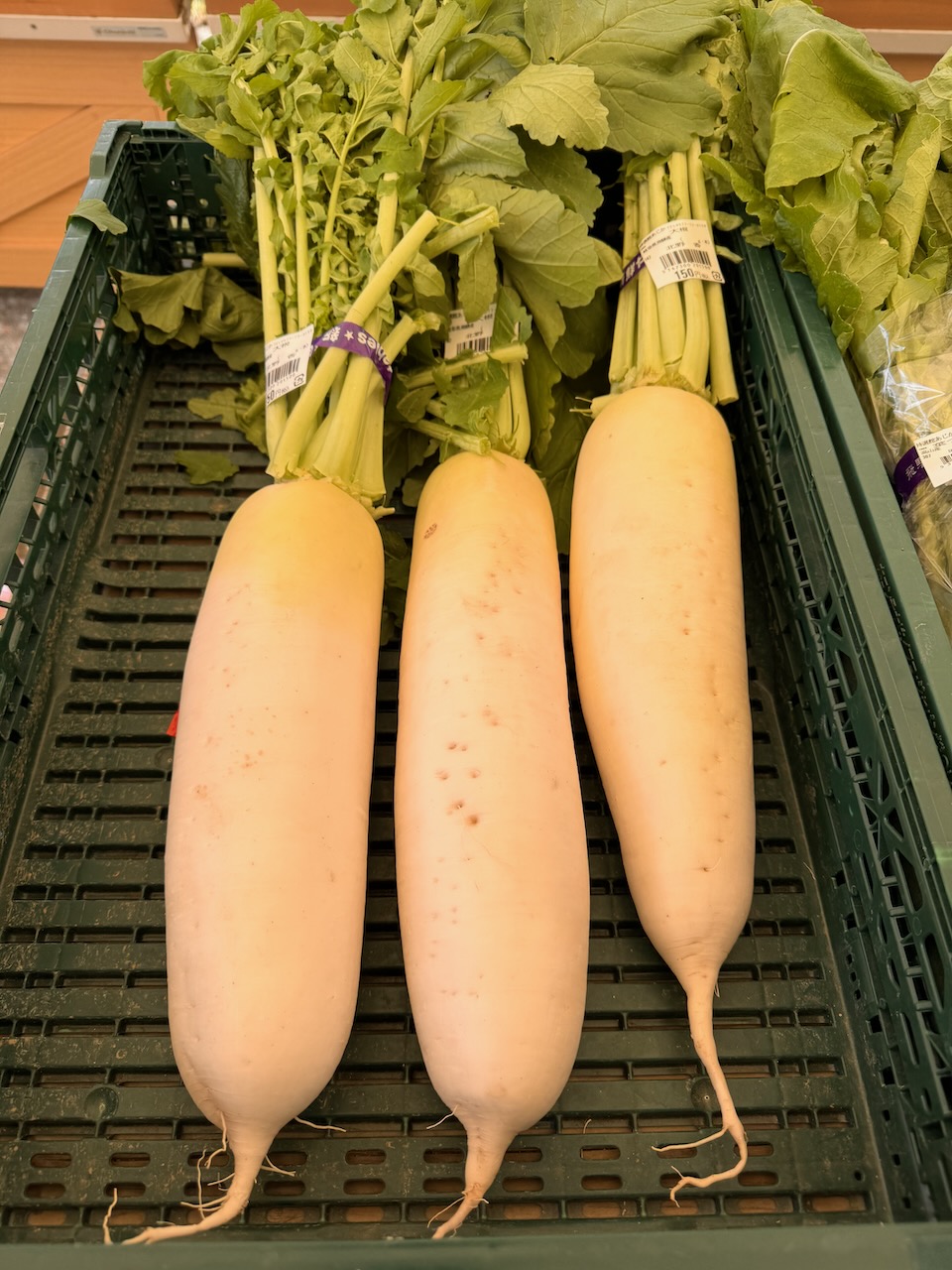
Our South Korean guide, now Japanese resident of this region, led a group of six on a food and culture tour of Takayama. The Jinya-mae Market was a shadow of itself on a dreary, drizzly day. I was disconcerted that so many veggies and fruits in the markets are packaged in plastic. To question the local vendors about this practice doesn’t translate well.
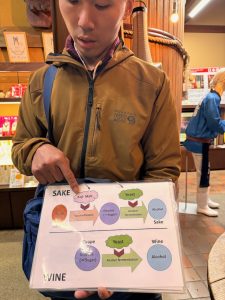
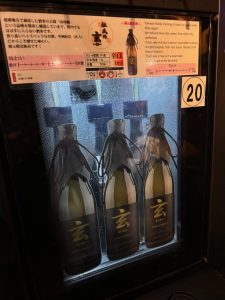
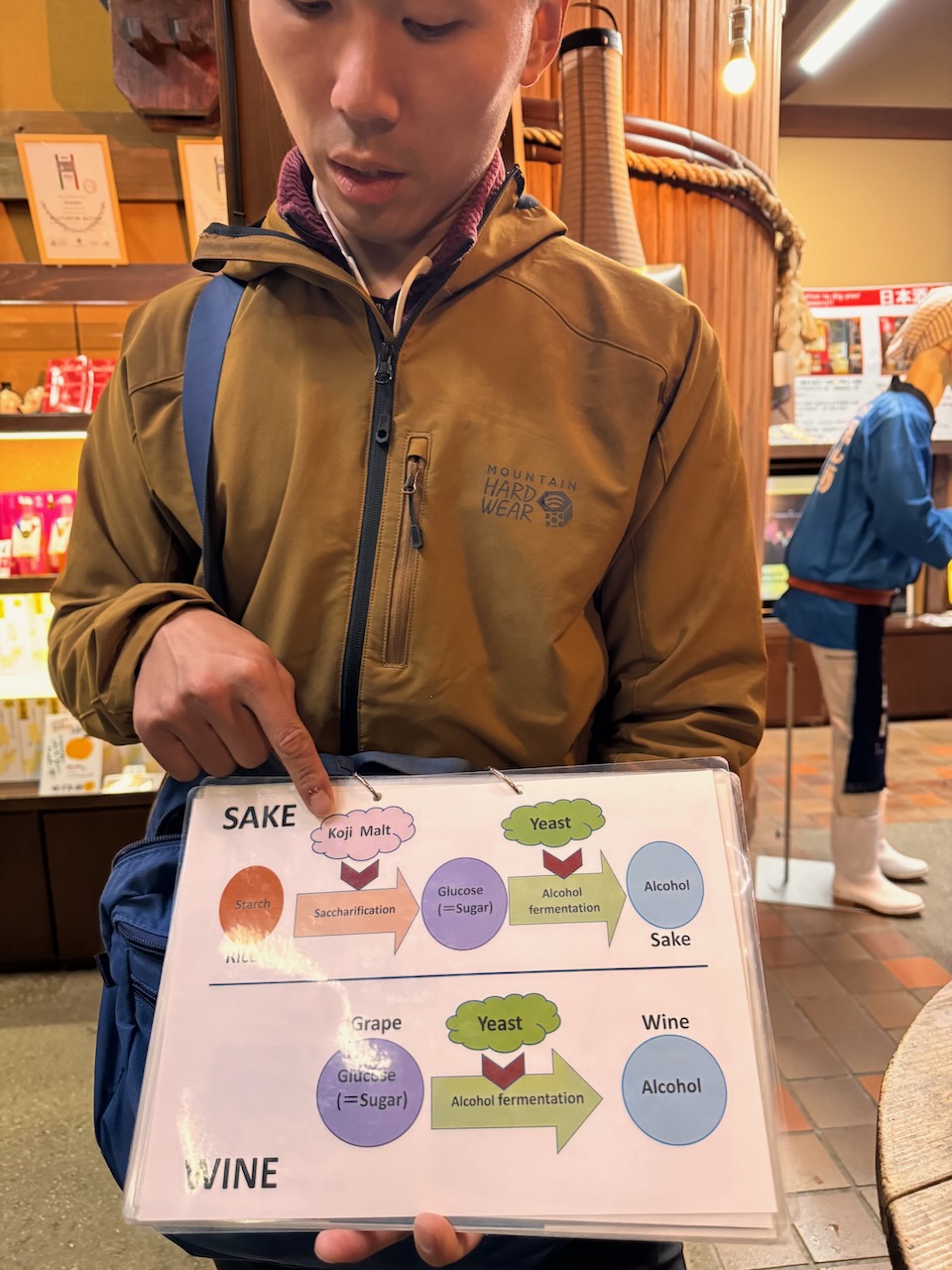
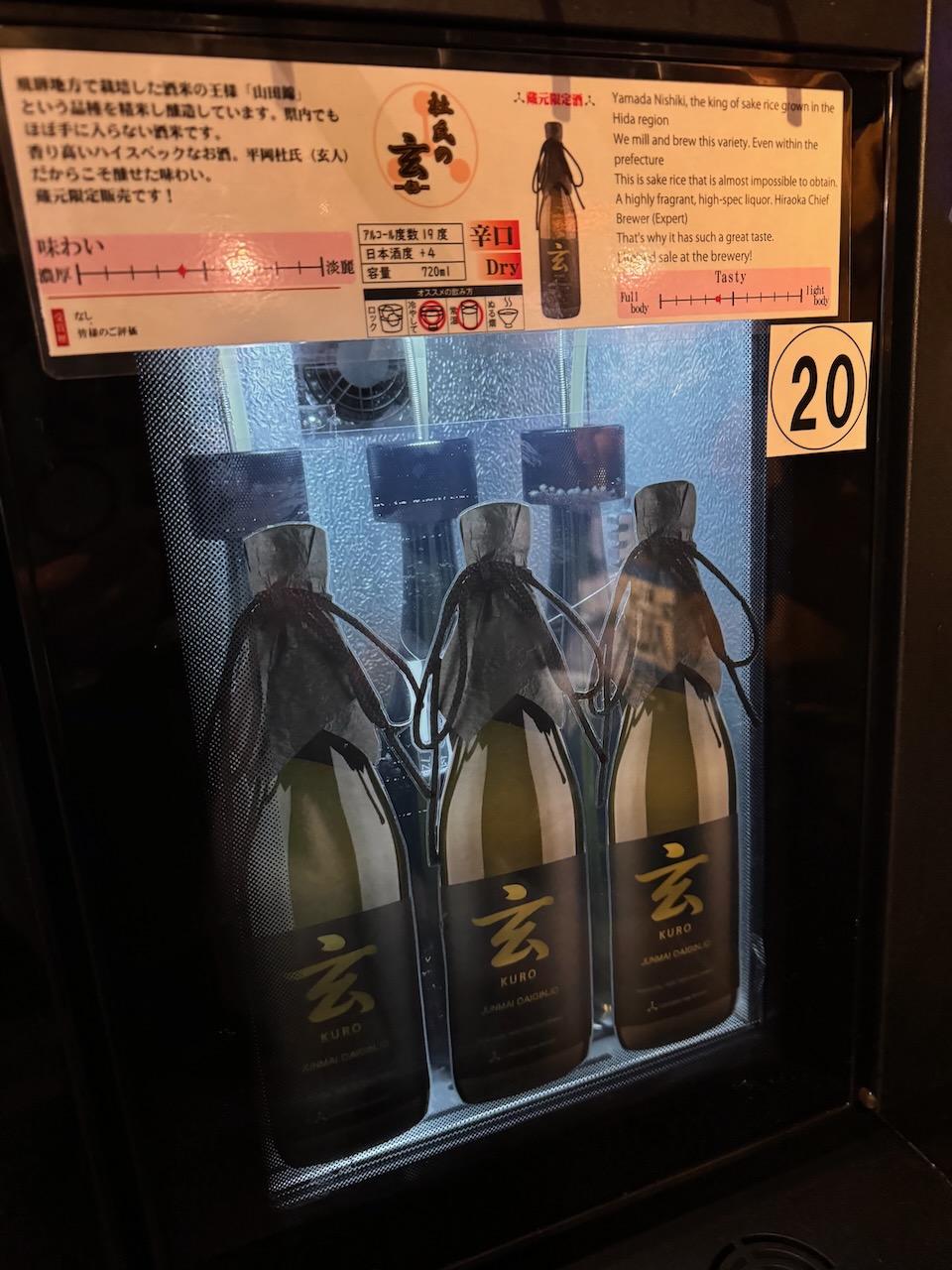
Sake, the national beverage, is made from fermented rice. It is produced using a brewing process akin to beer. We enjoyed sake often during our stay in Japan. When in Rome…
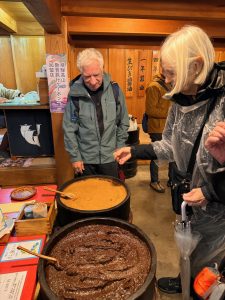
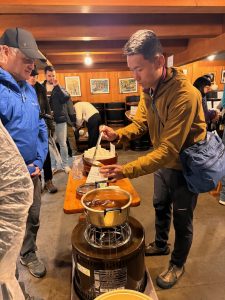
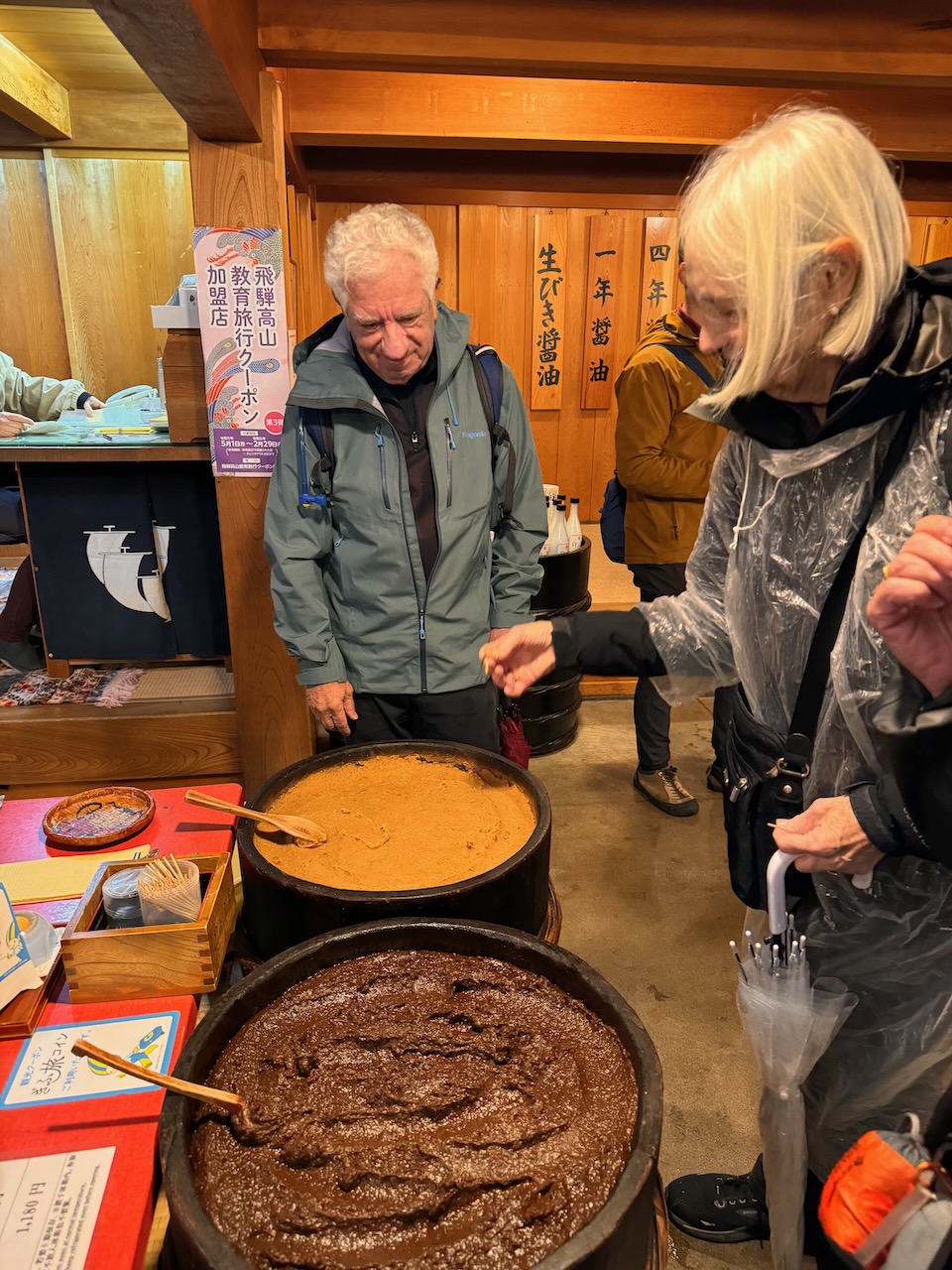
Miso is the main ingredient in most Japanese cooking. Miso soup is served at every meal in Japan, even breakfast. Miso is a complex subject and descriptions vary. All variations are made with fermented soybeans and salt. White miso includes rice and is best in dressings and light sauces; yellow with barley for general use in soups and marinades; red with grains, but more soybean, for hearty soups and braises. Red is the strongest of the misos.
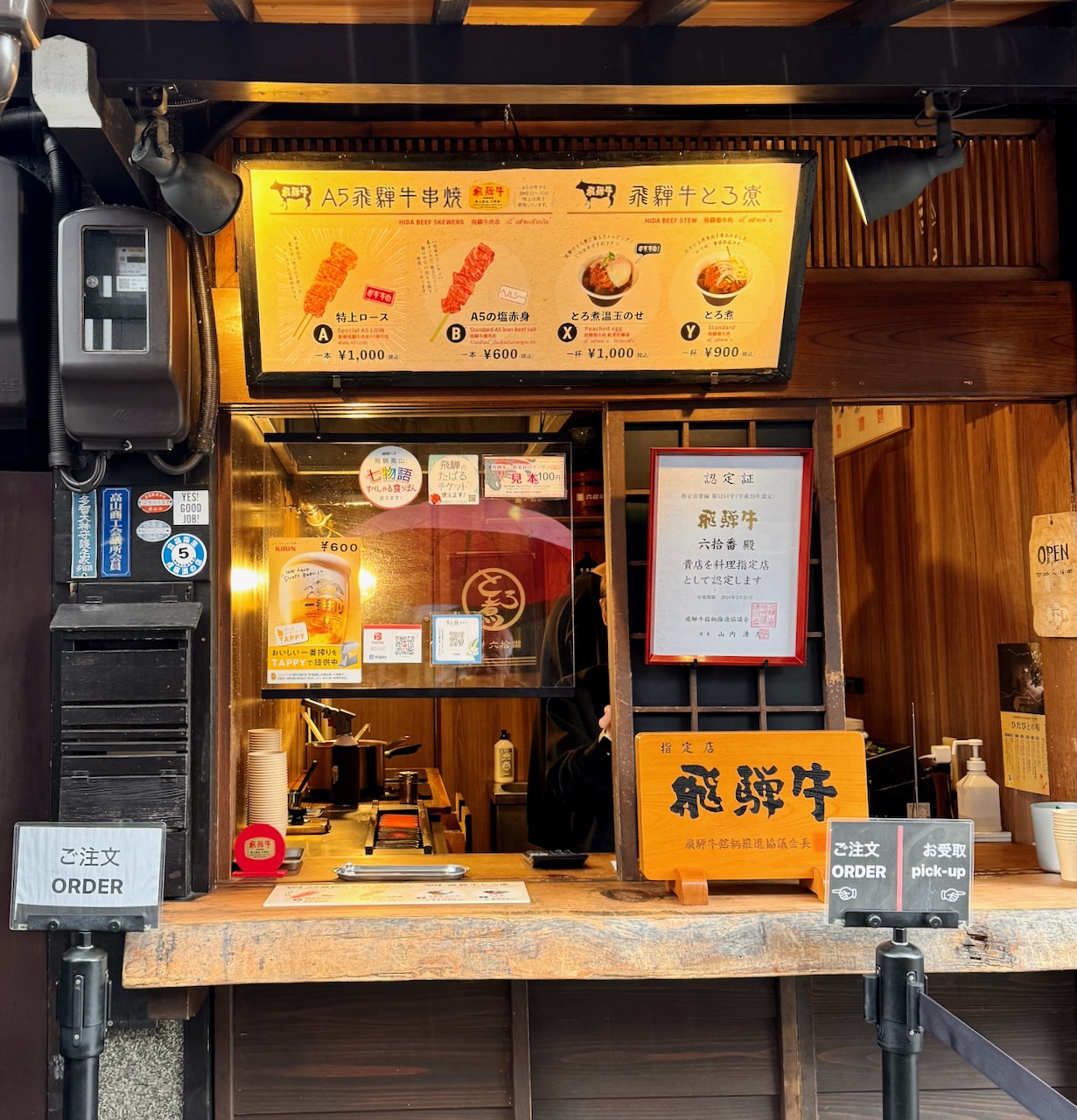
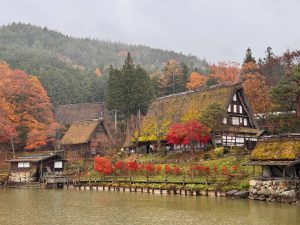
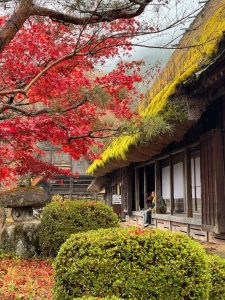
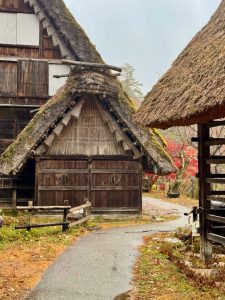
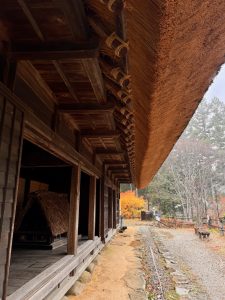
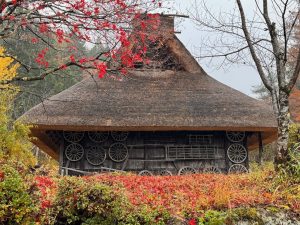
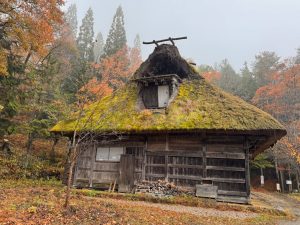
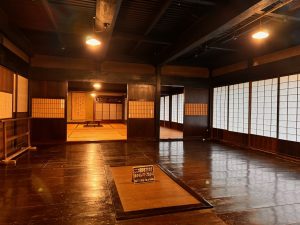
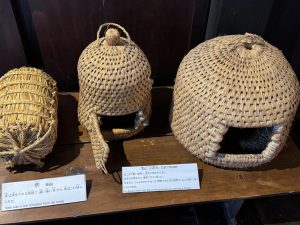
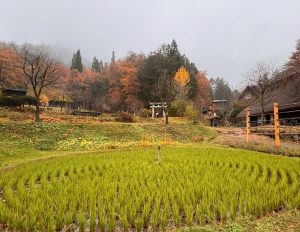
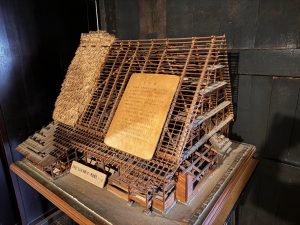
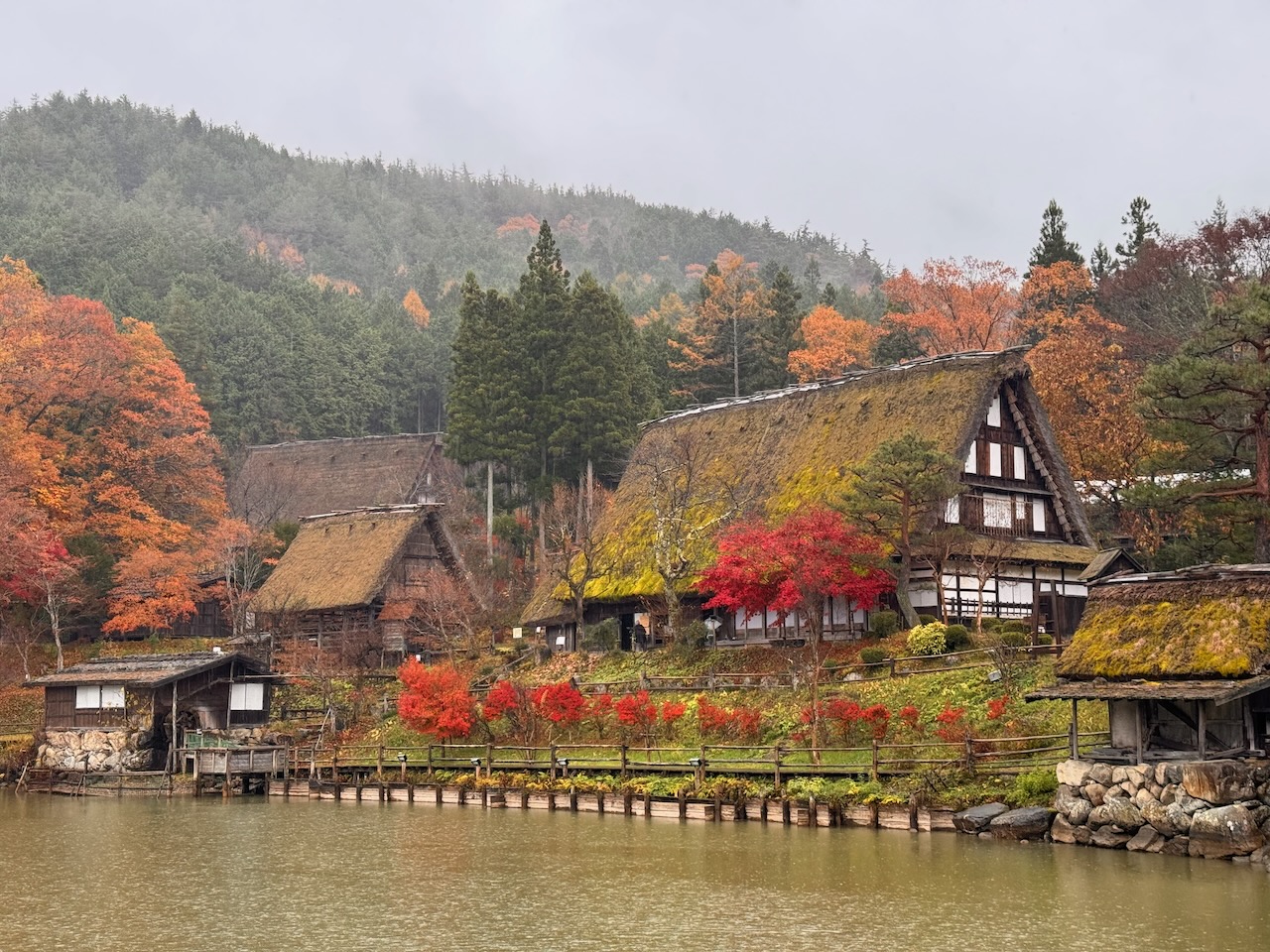
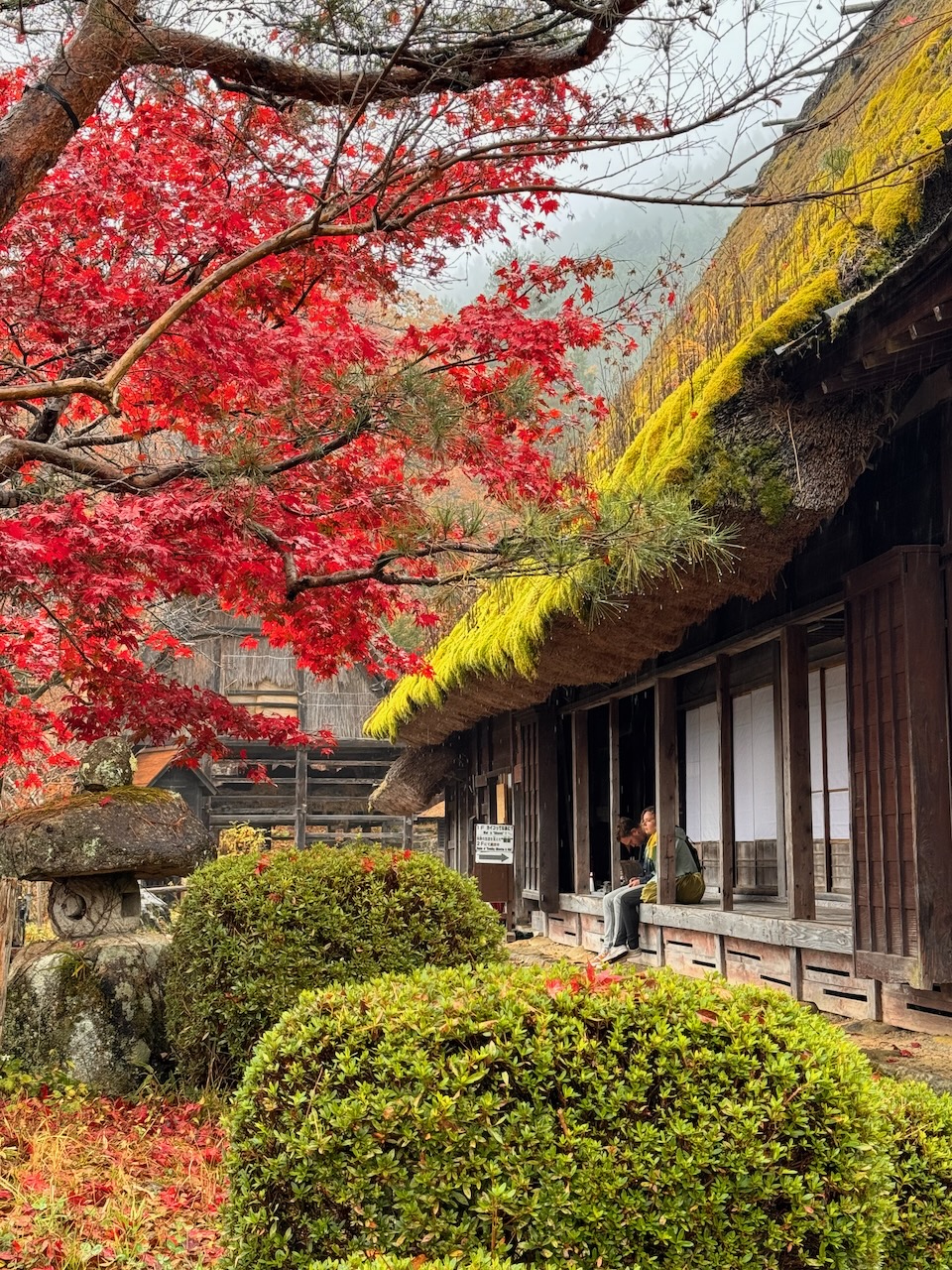
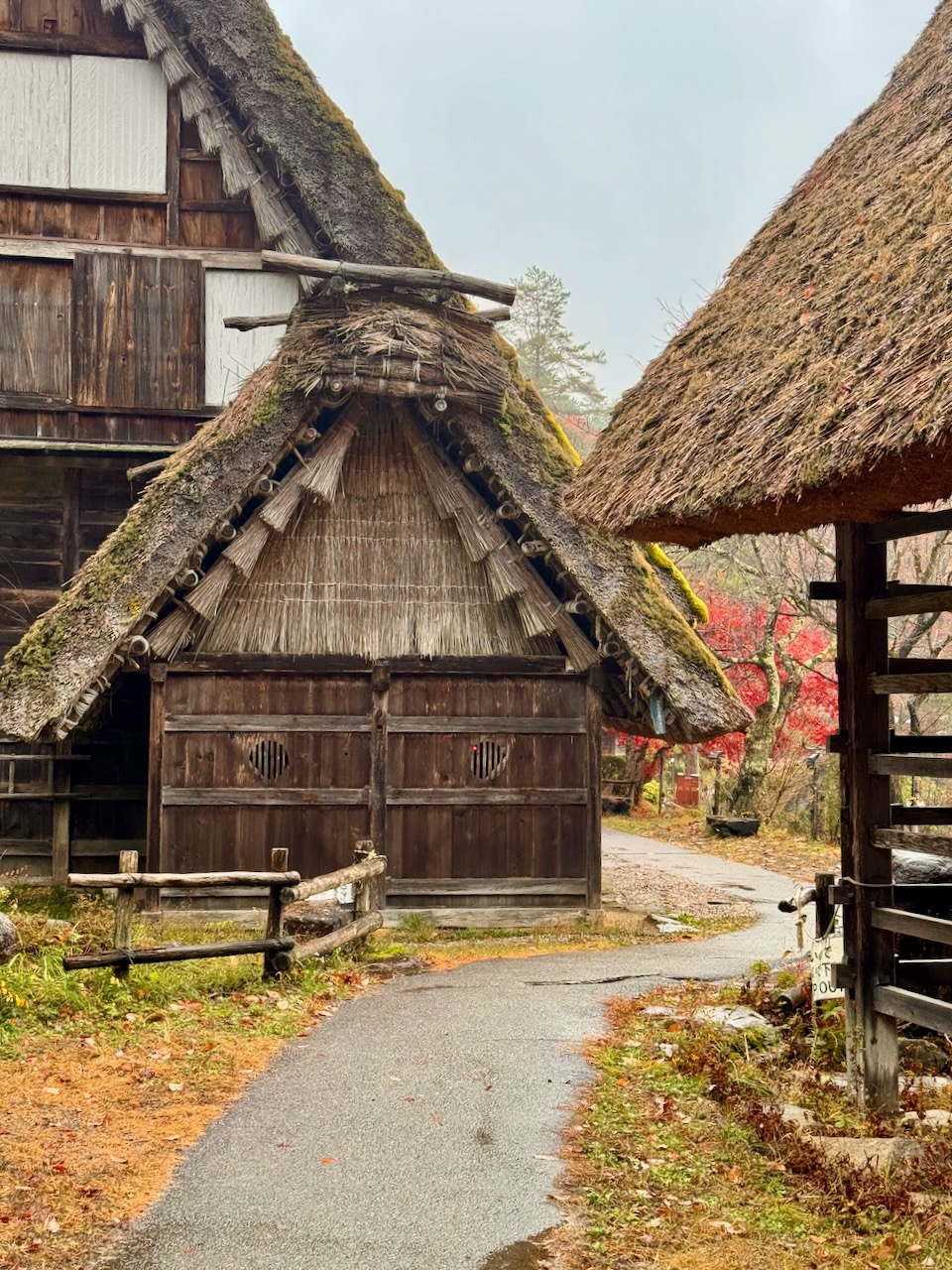
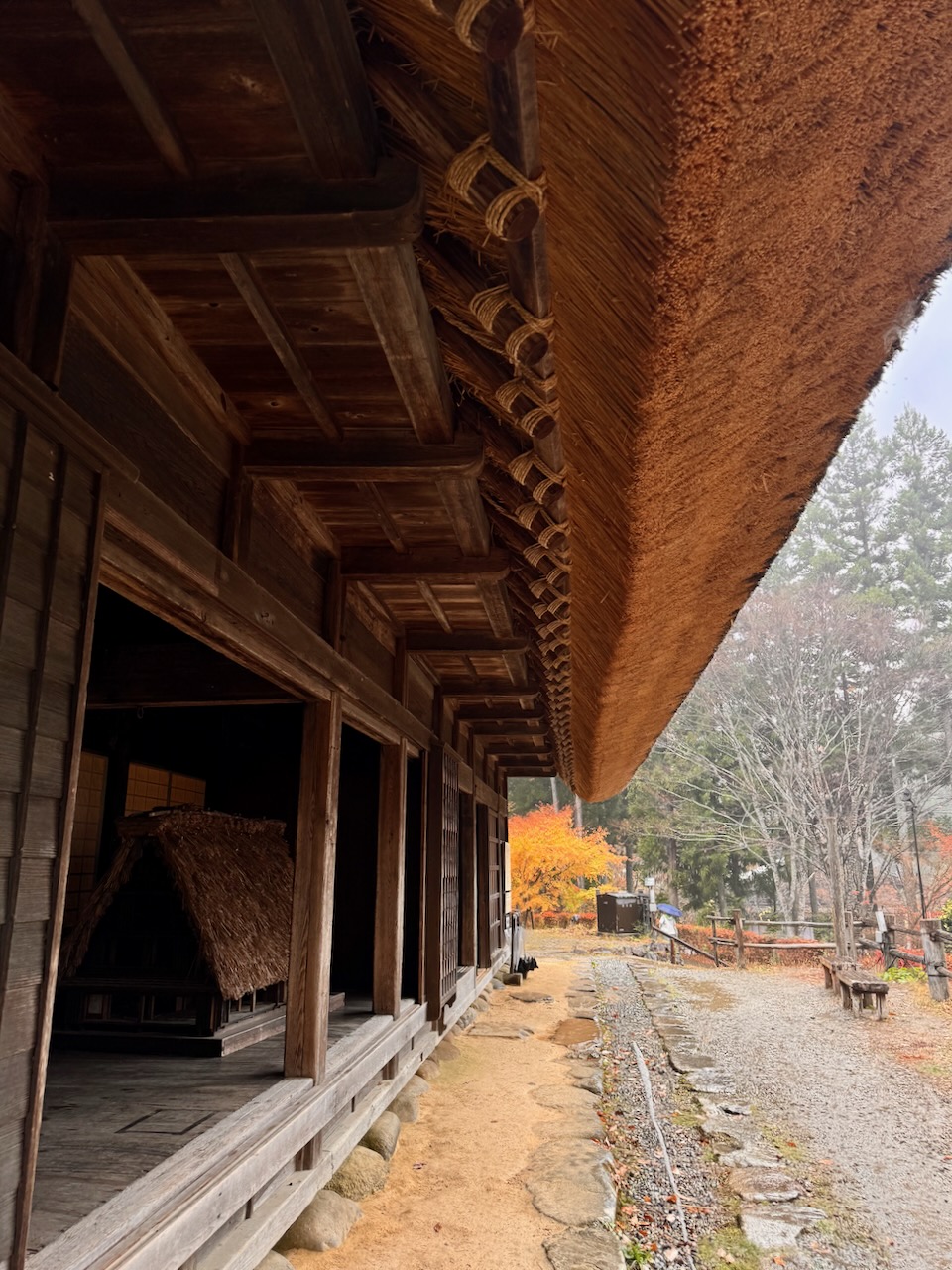
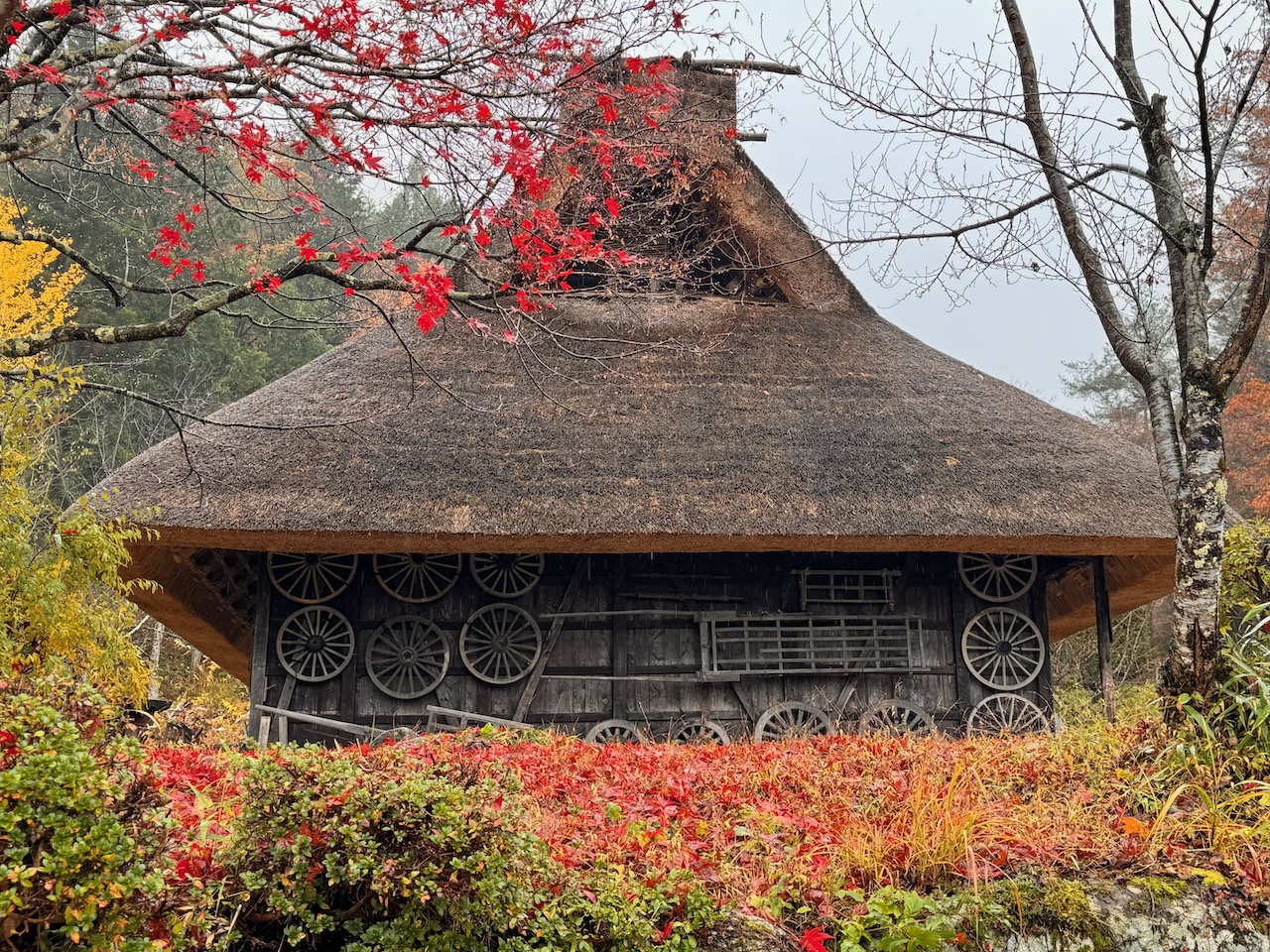
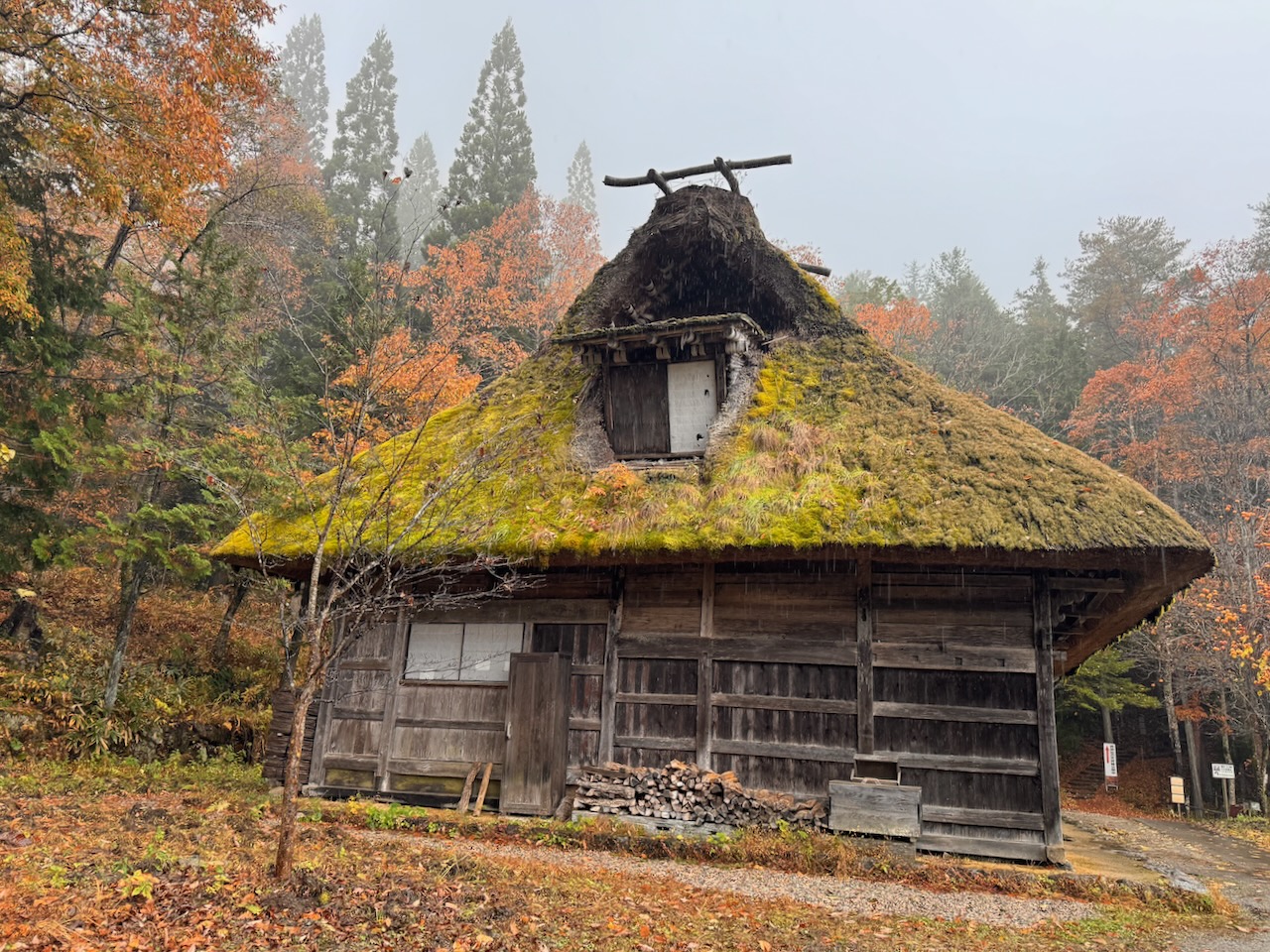
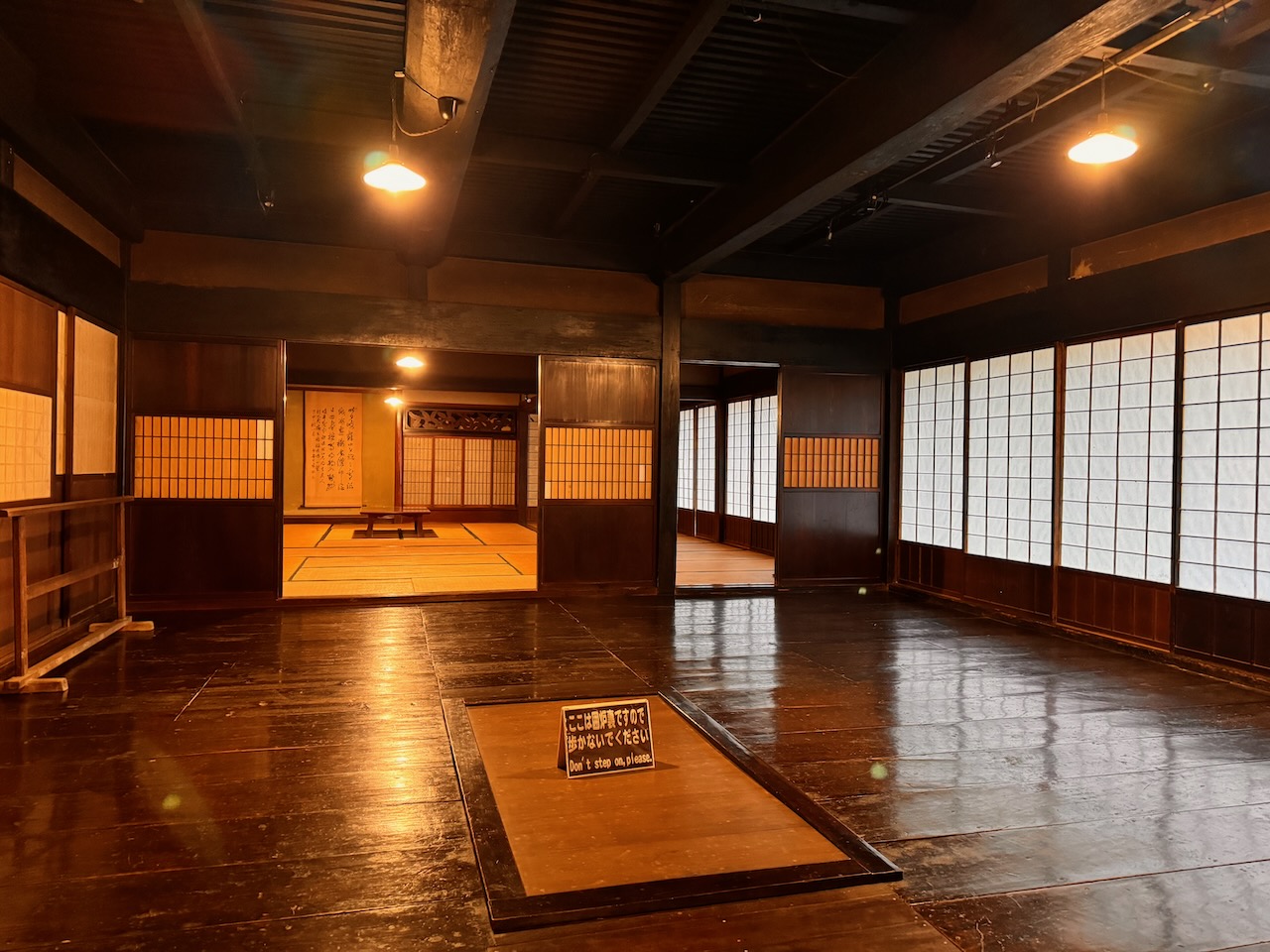
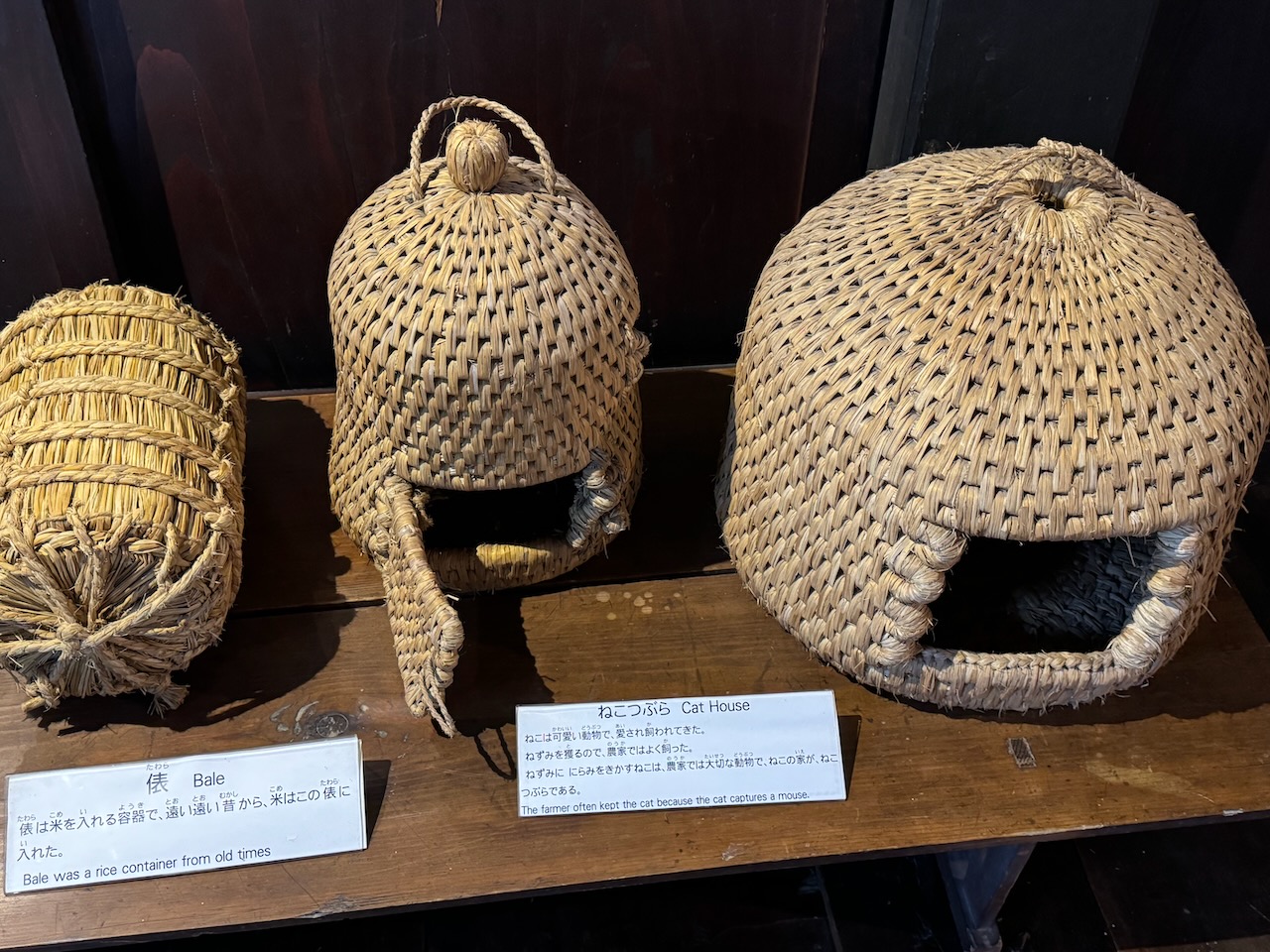
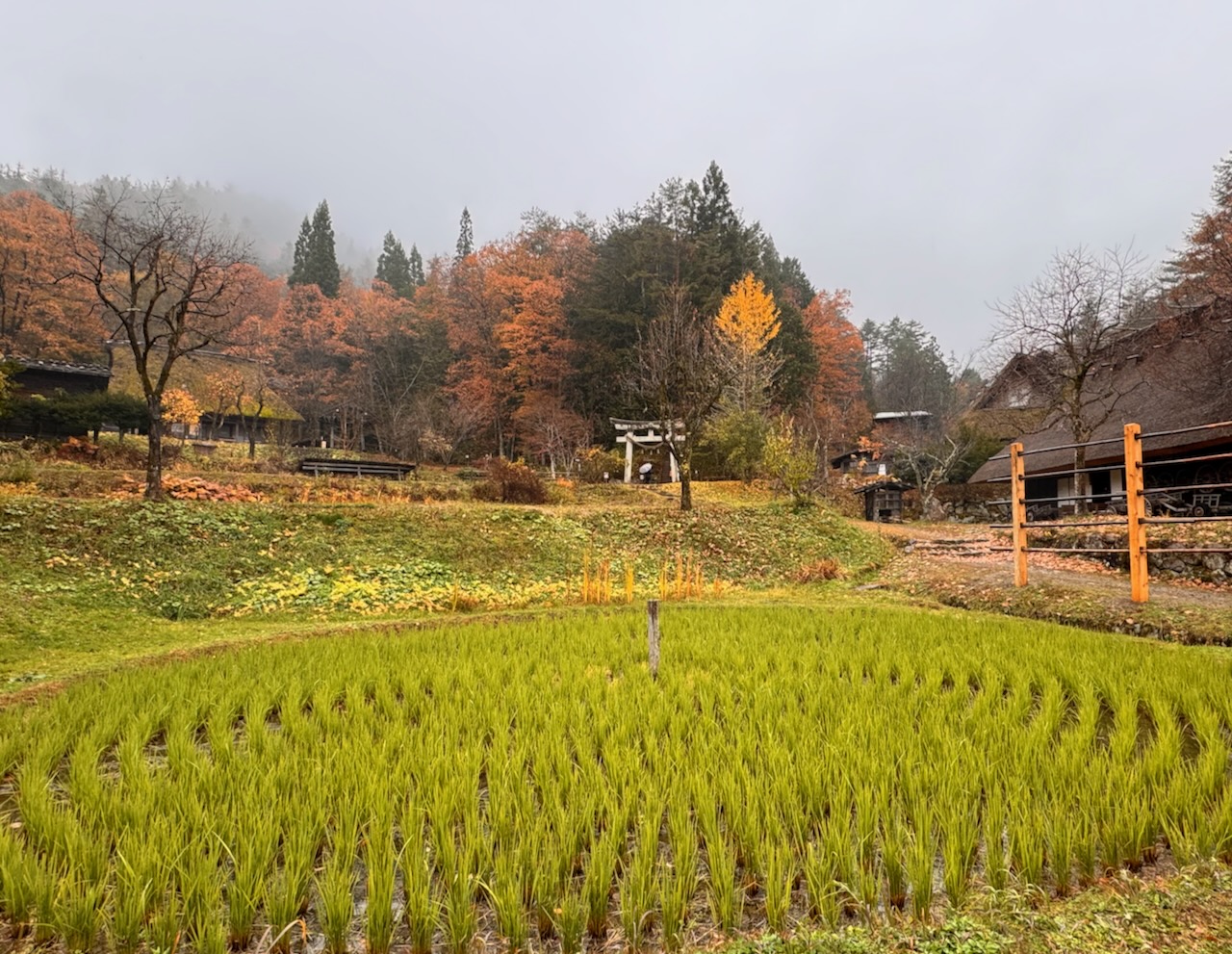
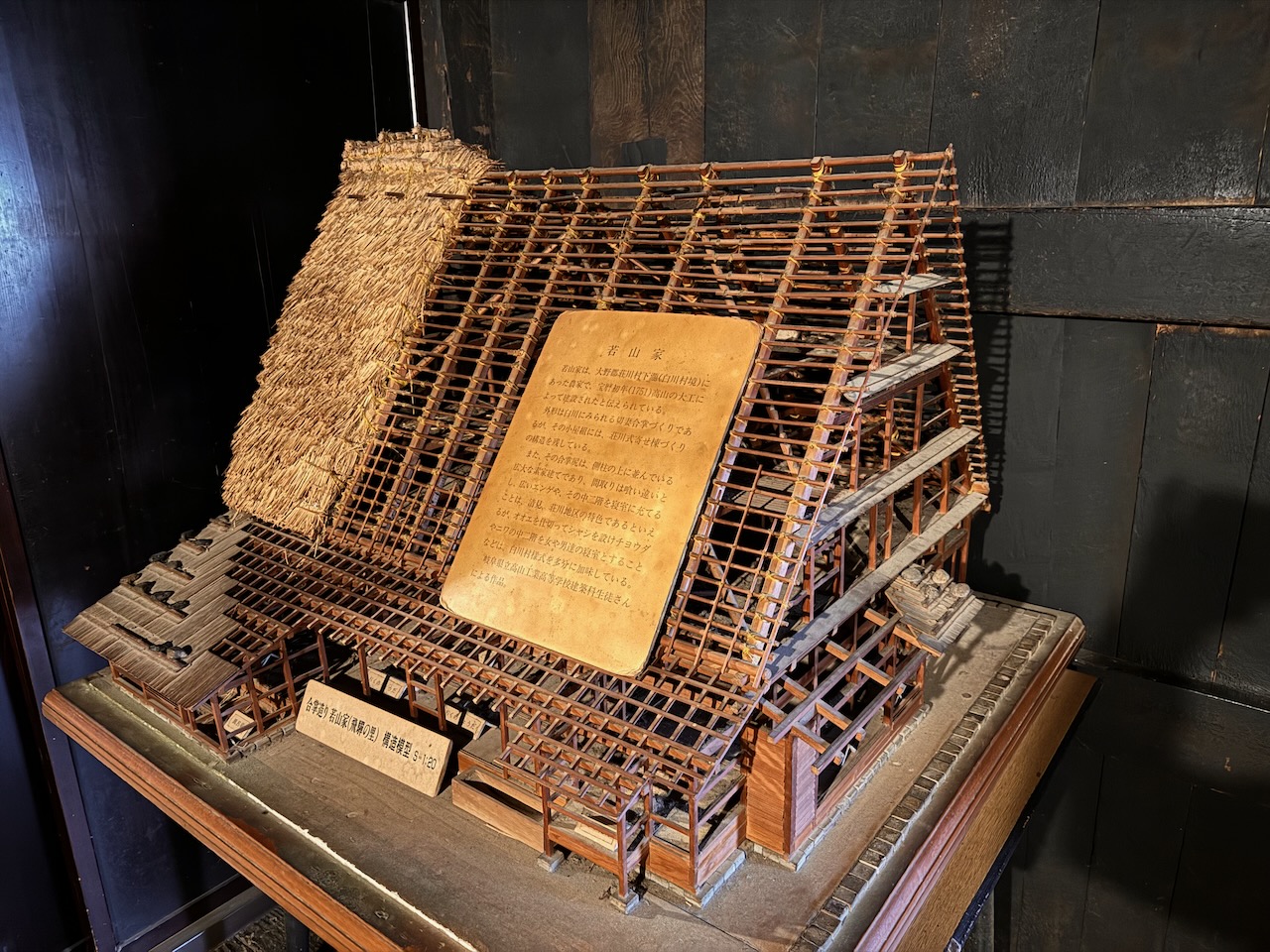
Hida Folk Village was recommended by a couple of tour mates. Despite a relentless drizzle we really enjoyed this open-air museum, opened in 1971 in order to preserve the traditional vernacular houses and lifestyle. More than 30 buildings were moved from different parts of the Hida region, including Gassho style thatched roof houses (so we got a fix of Shirakawago after all). The artisans who normally give demonstrations of the arts, crafts and building technique were nowhere to be seen today given the season, or the rain, or both.
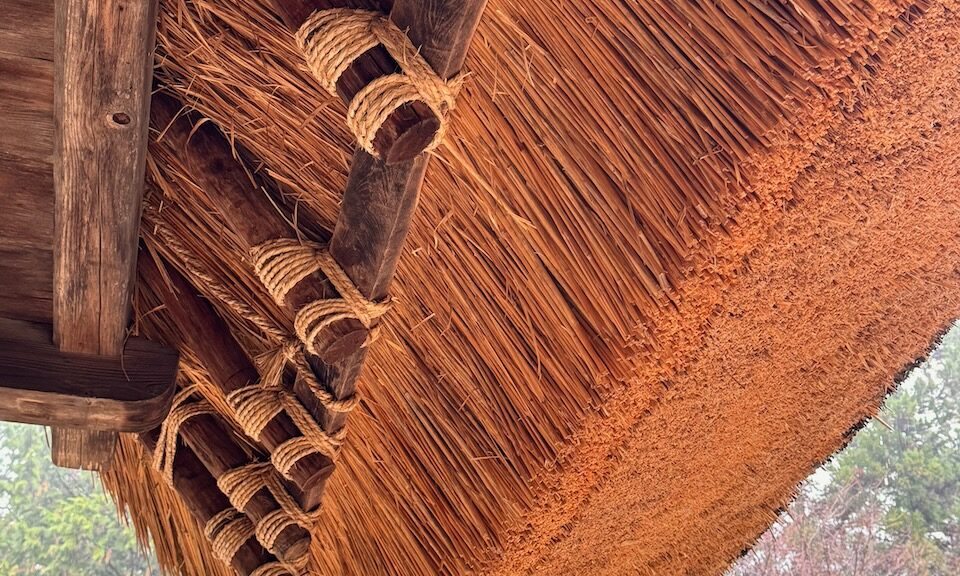
Thatched houses at the Hida Folk Village come in a variety of shapes and sizes. The slope of the eaves changed from village to village depending on the amount of snowfall each area received.
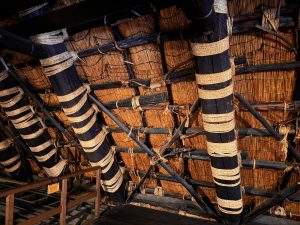
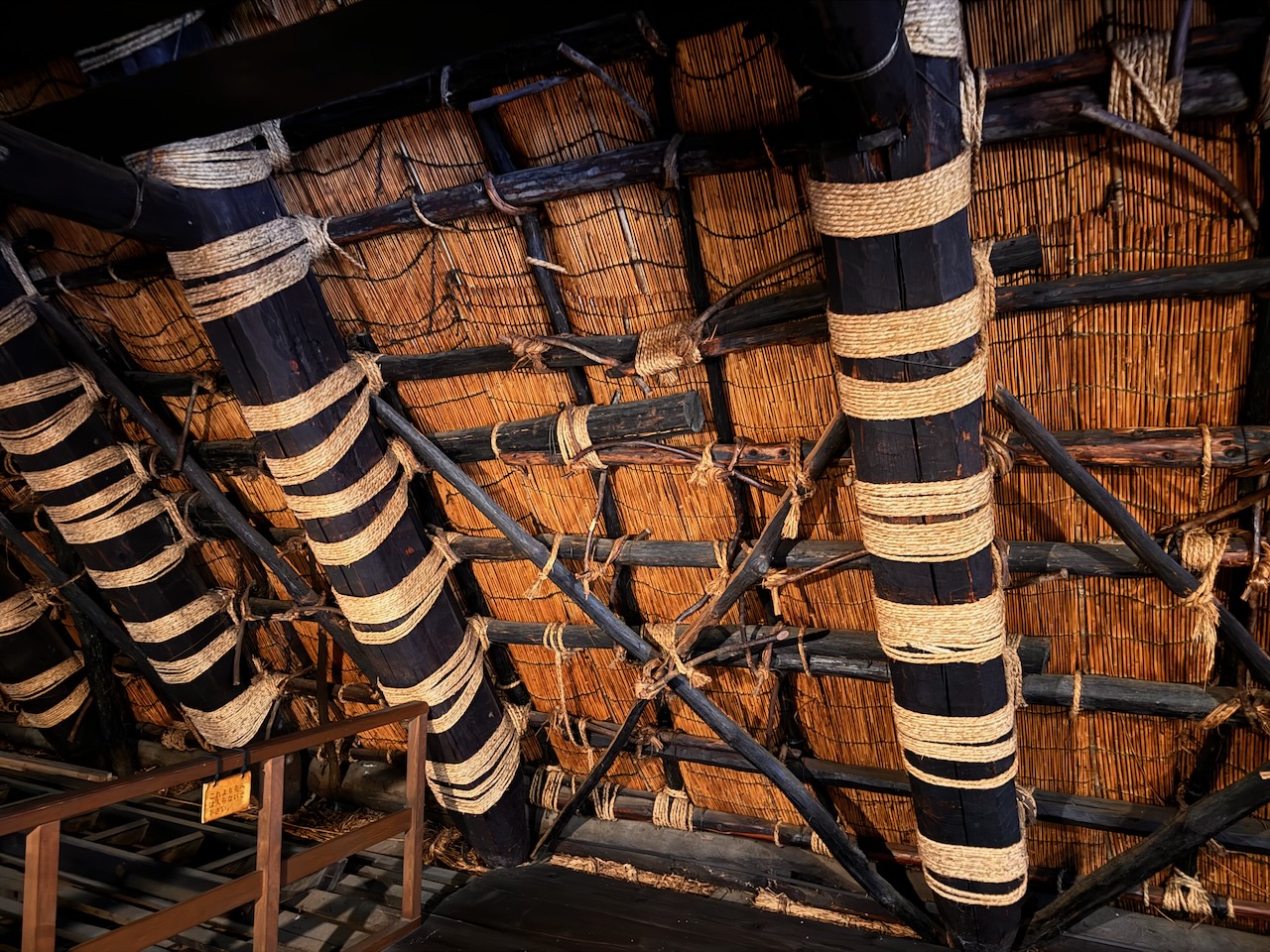
The thatched ceiling of these buildings would have taken an entire village four days to make — and then it would have lasted for anywhere from forty to sixty years.
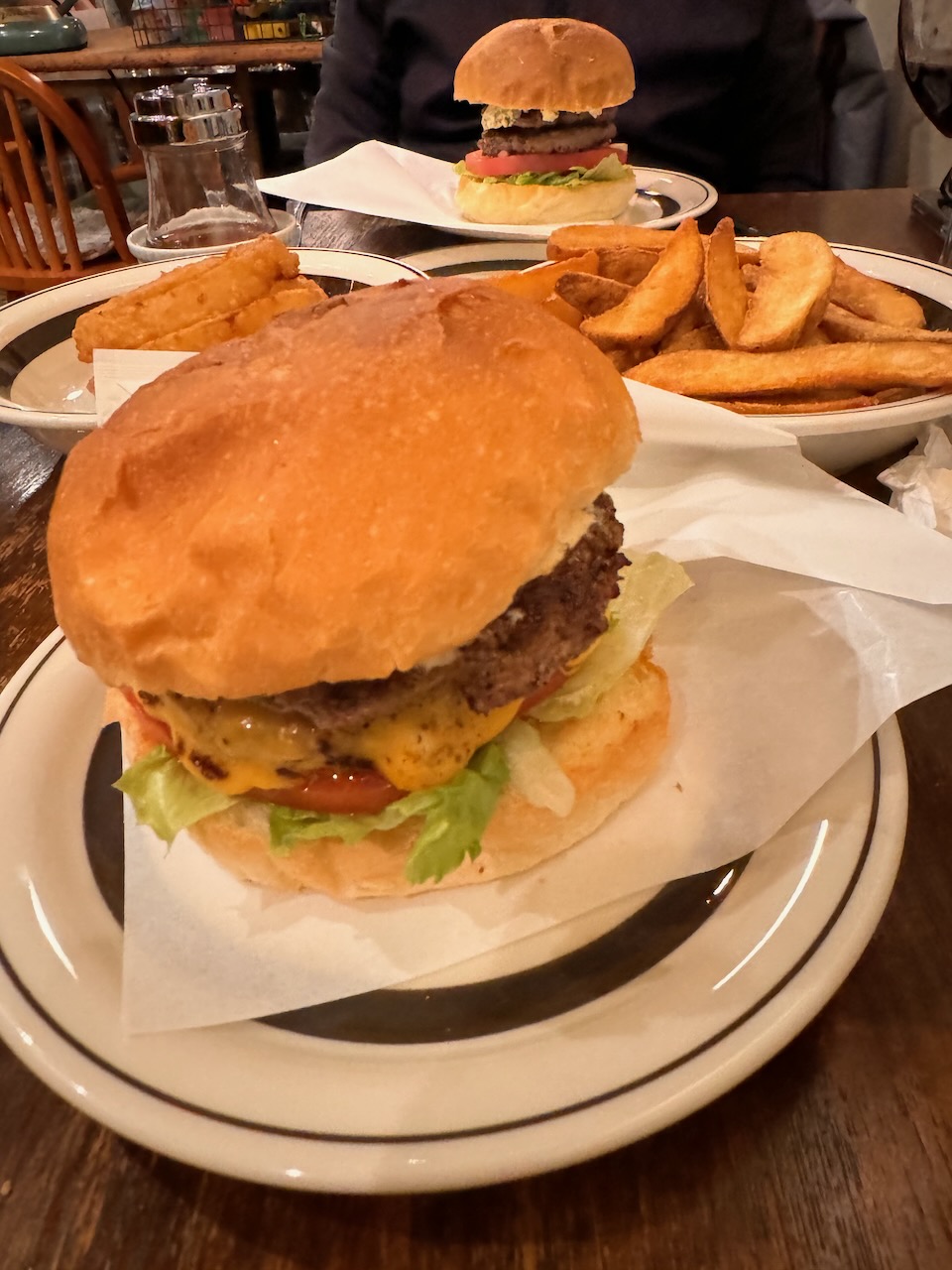
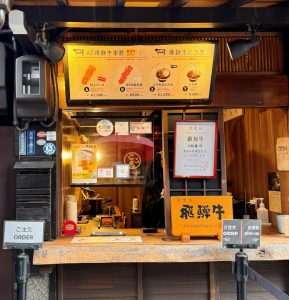
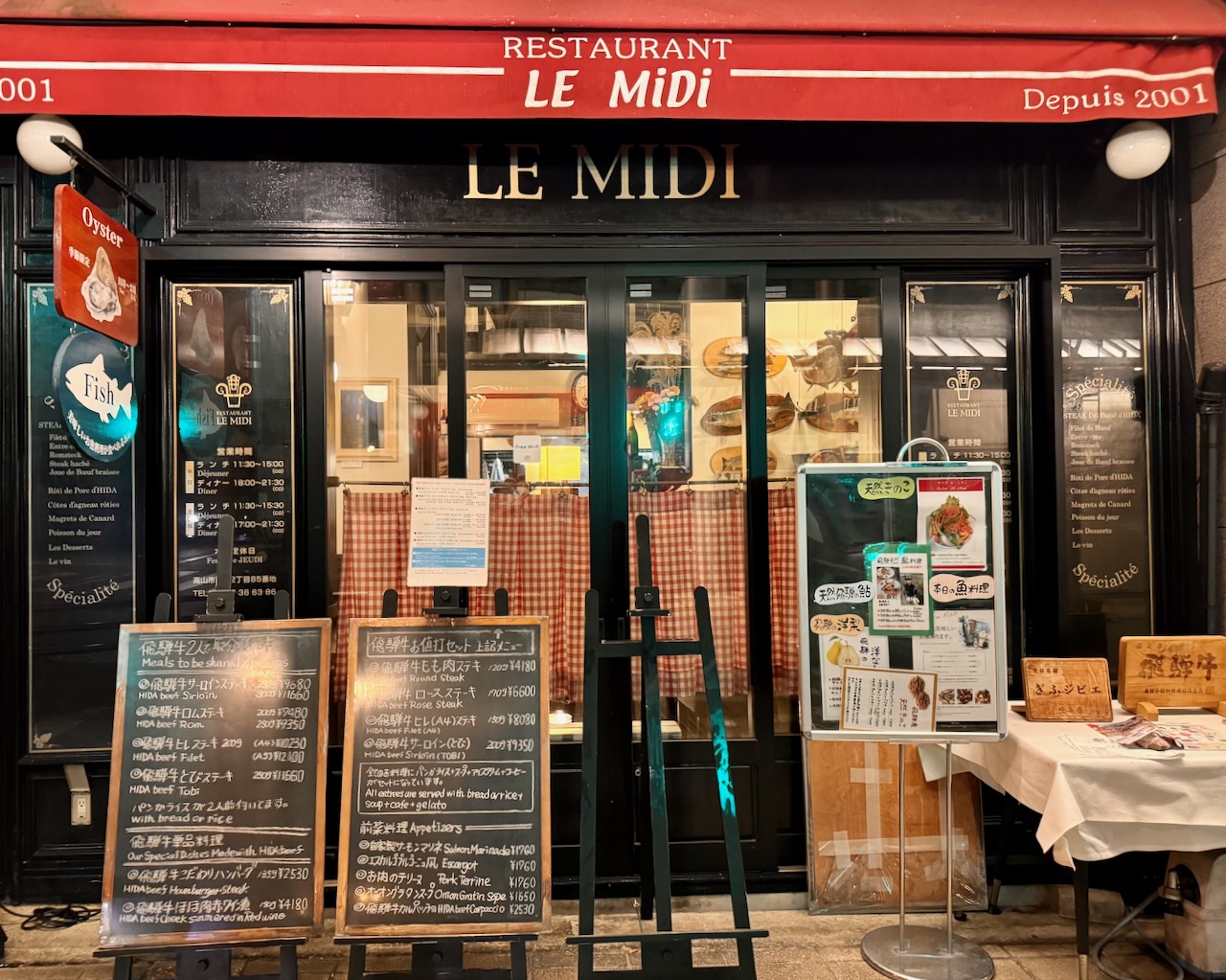
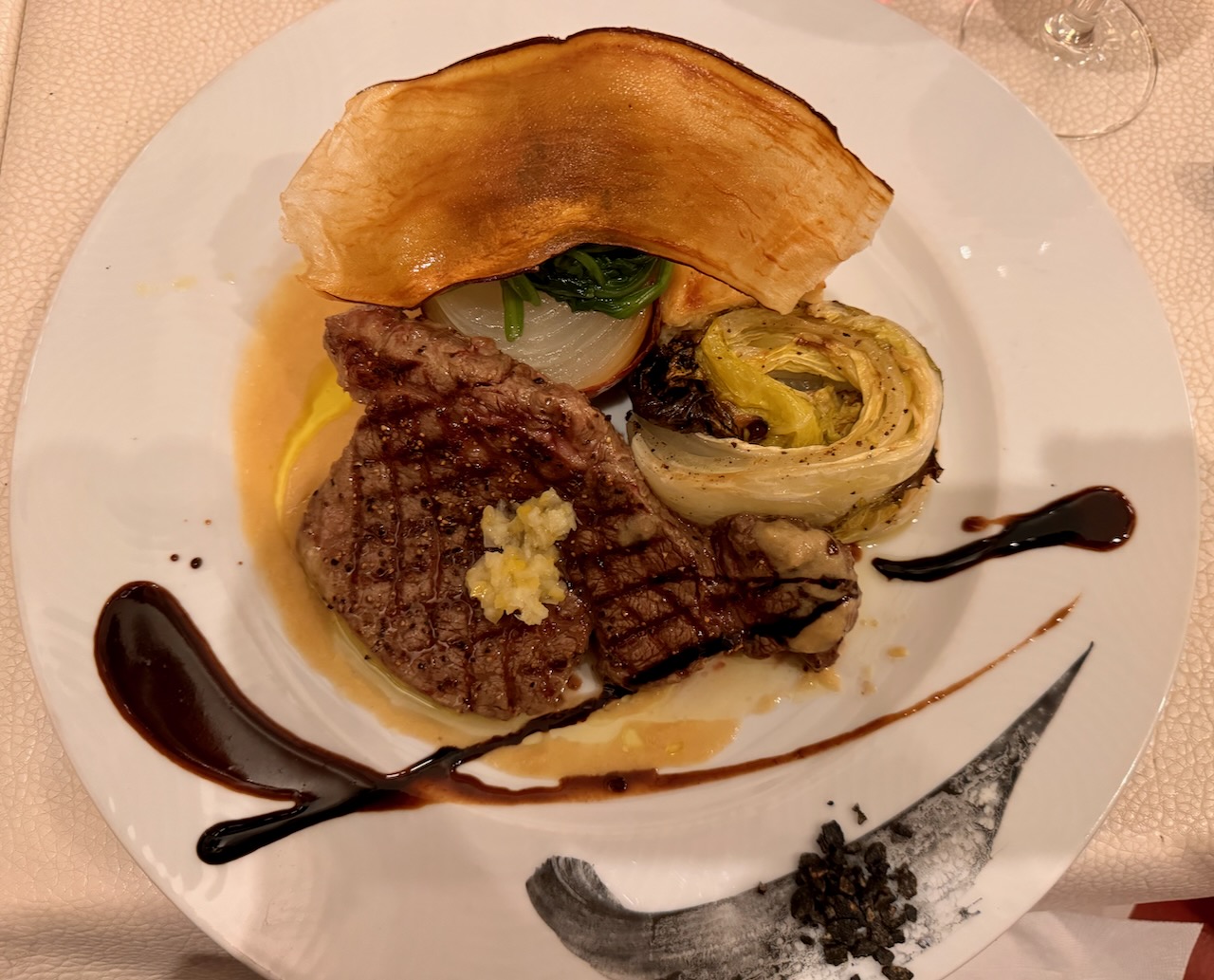
We had two free nights in Takayama to dine where we liked. Center4 Burgers was recommended by our food and culture guide. We booked a table for 7pm but forgot our wifi device so we got lost walking here and showed up 15 minutes late. In Japan this would be sacrilegious, but we were welcomed anyway. The tiny restaurant seated about 12 people and is very popular. We understood why, the burgers were made from Hida beef and were super tasty. It turns out the place was only a few blocks from home.
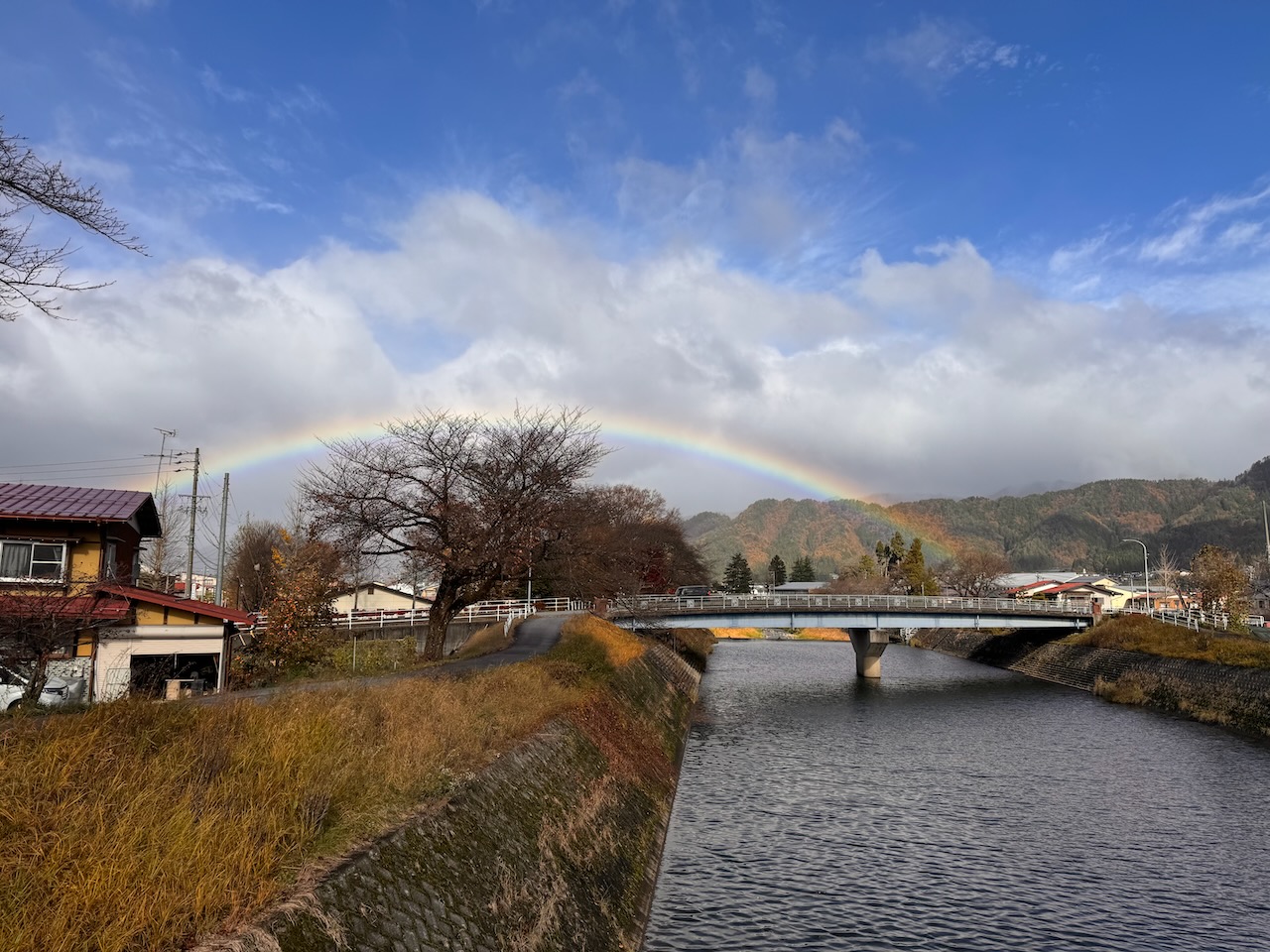
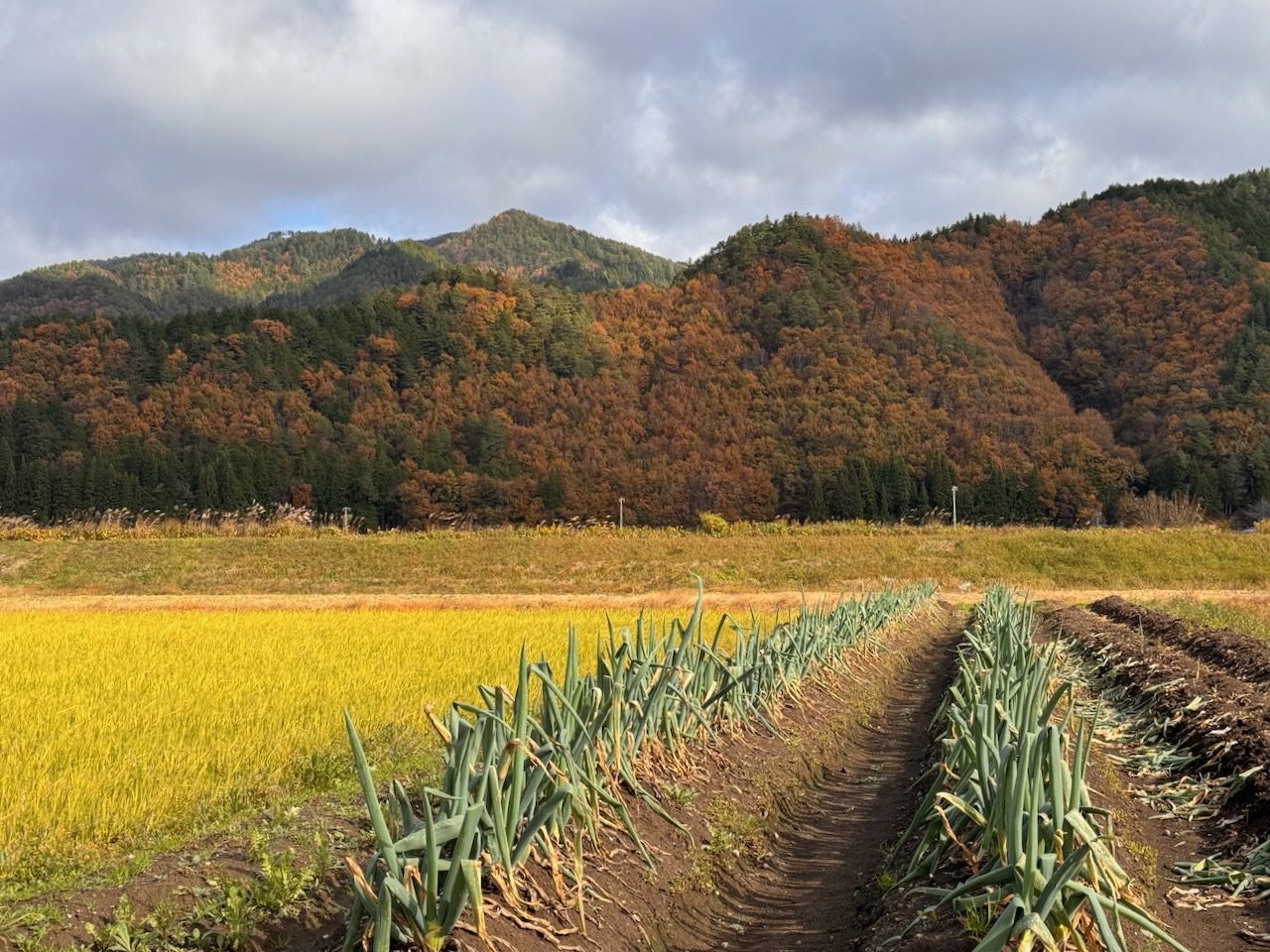
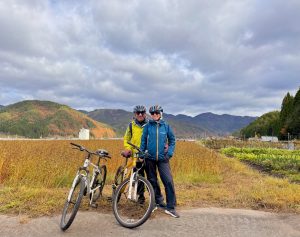
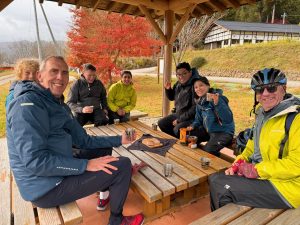
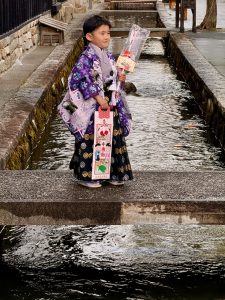
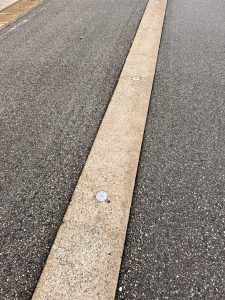
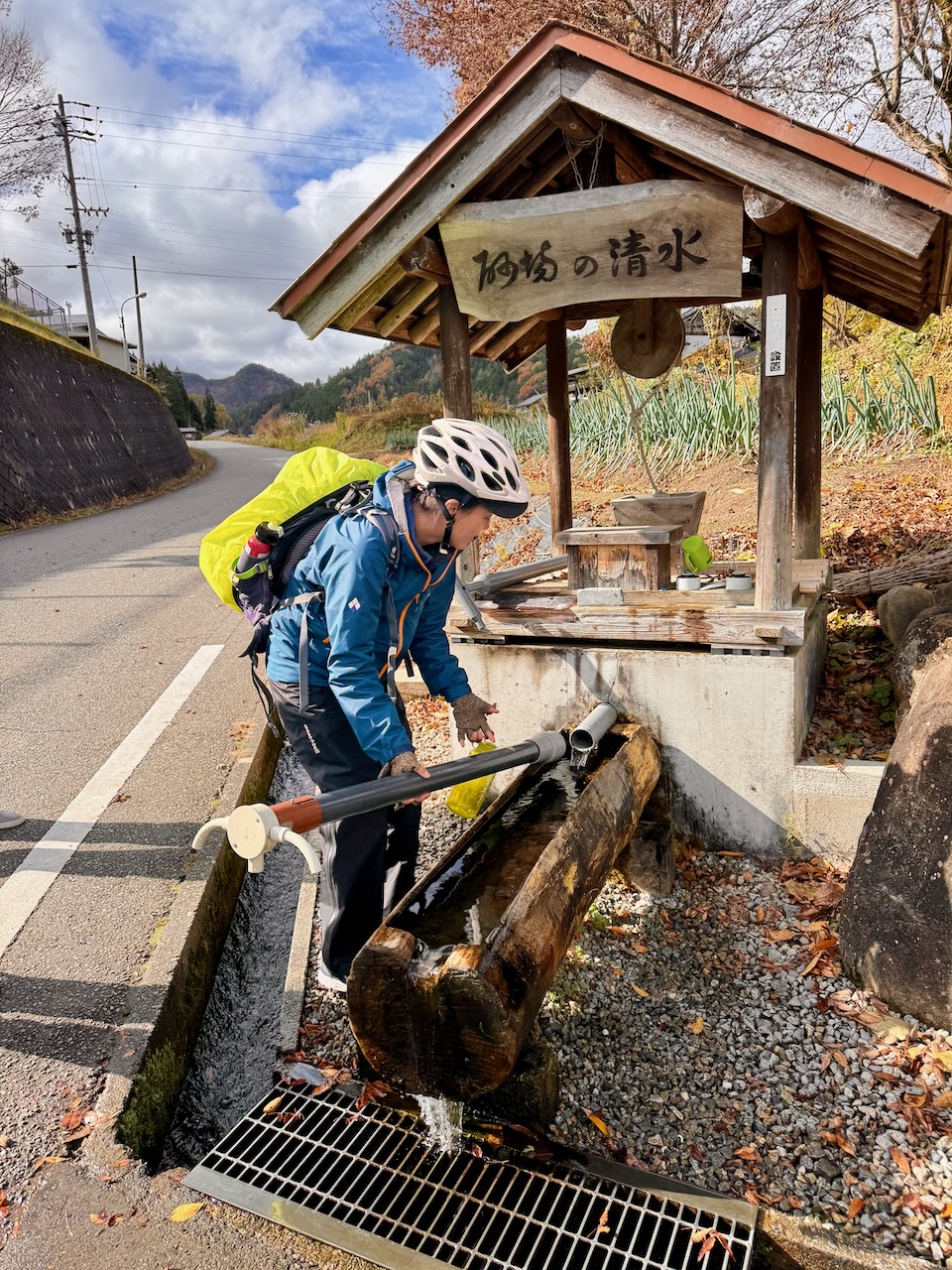
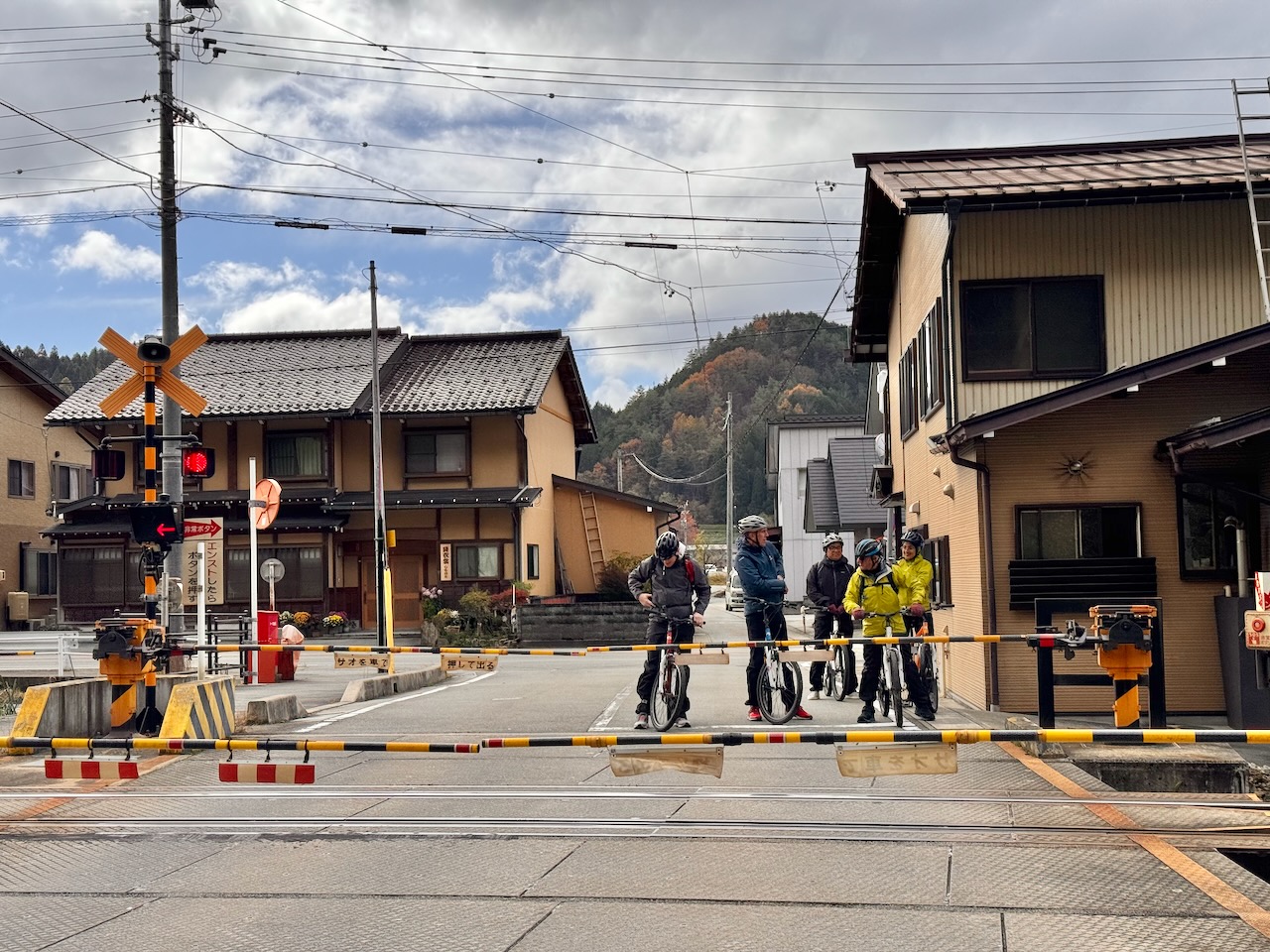
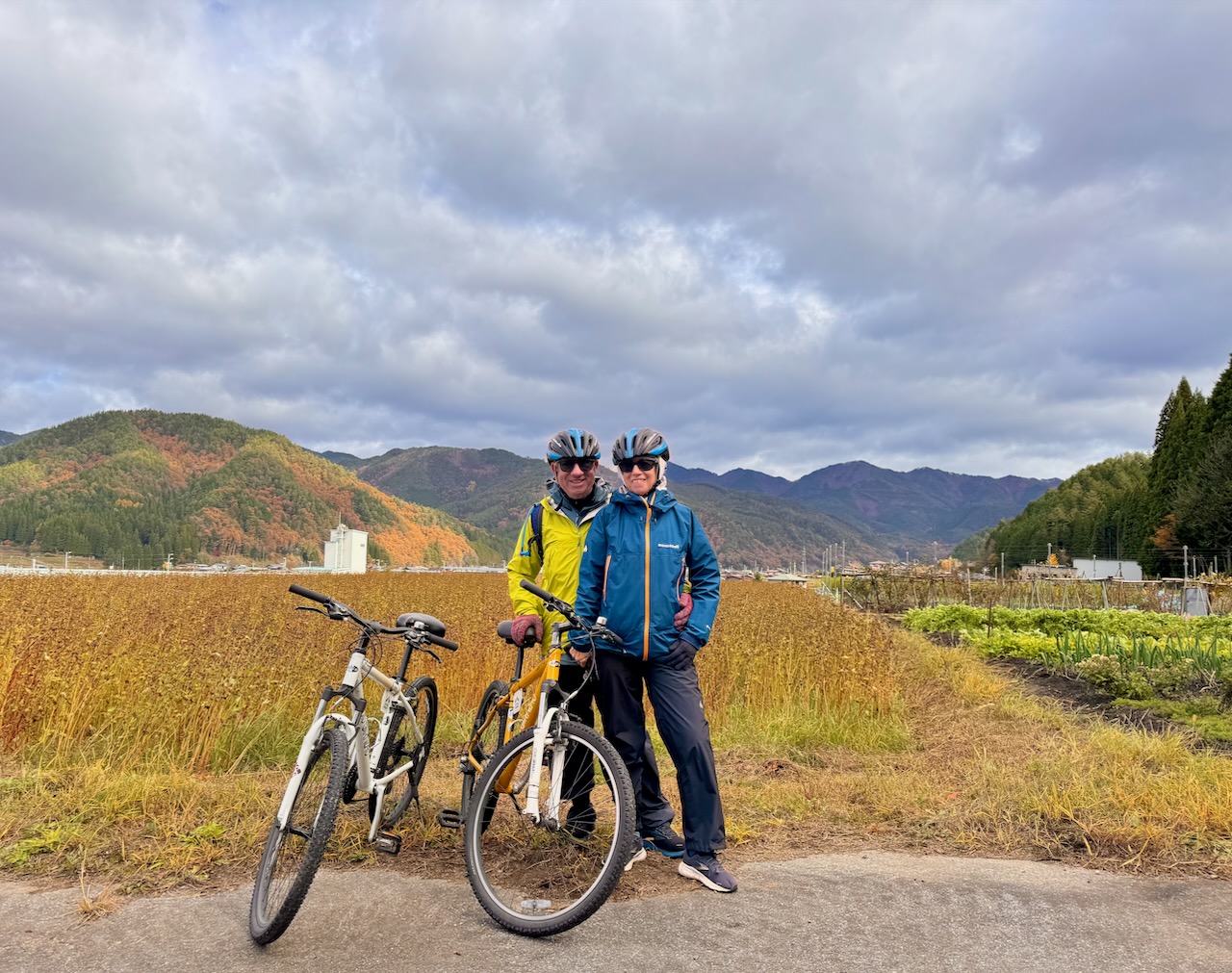
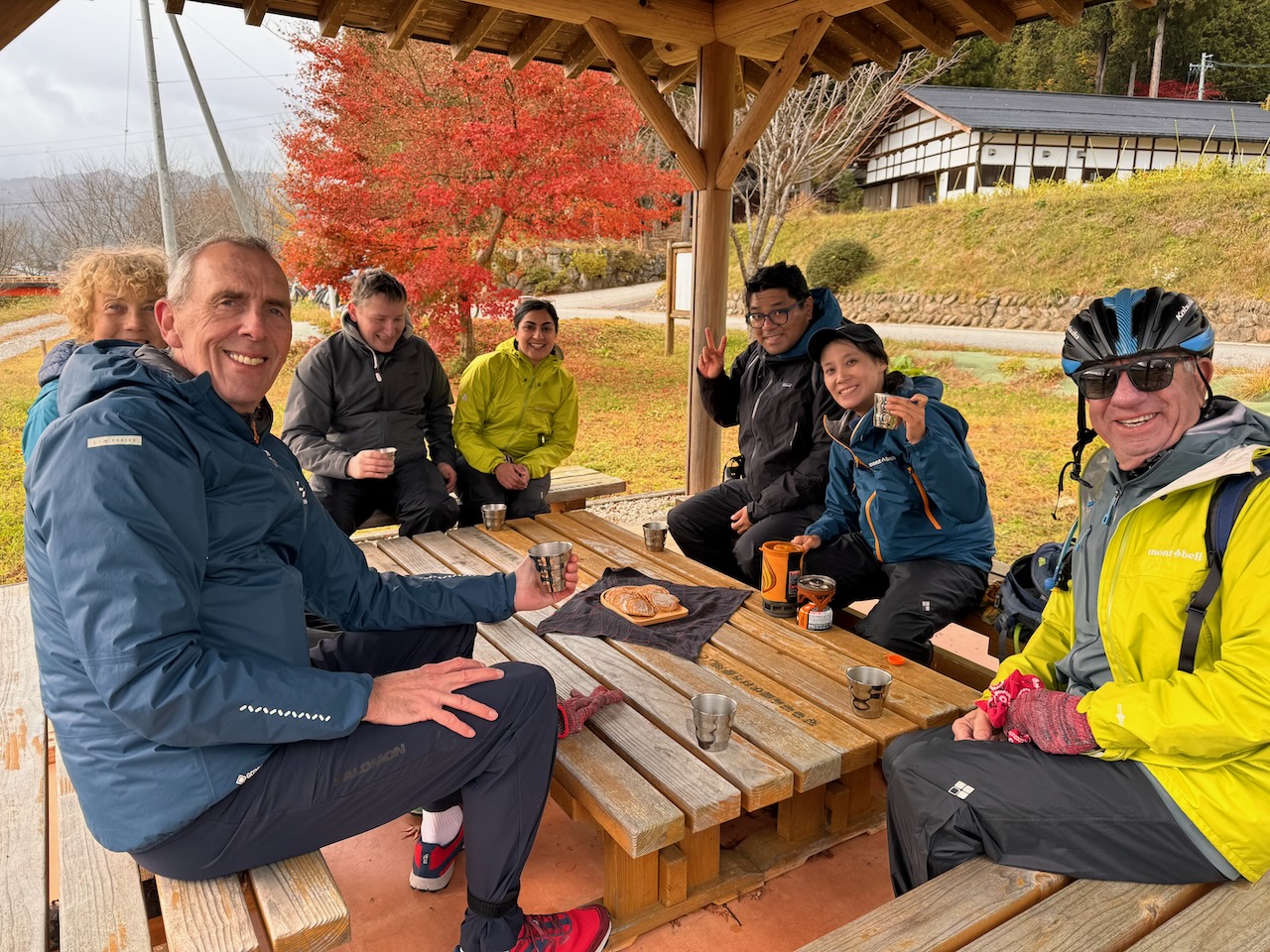
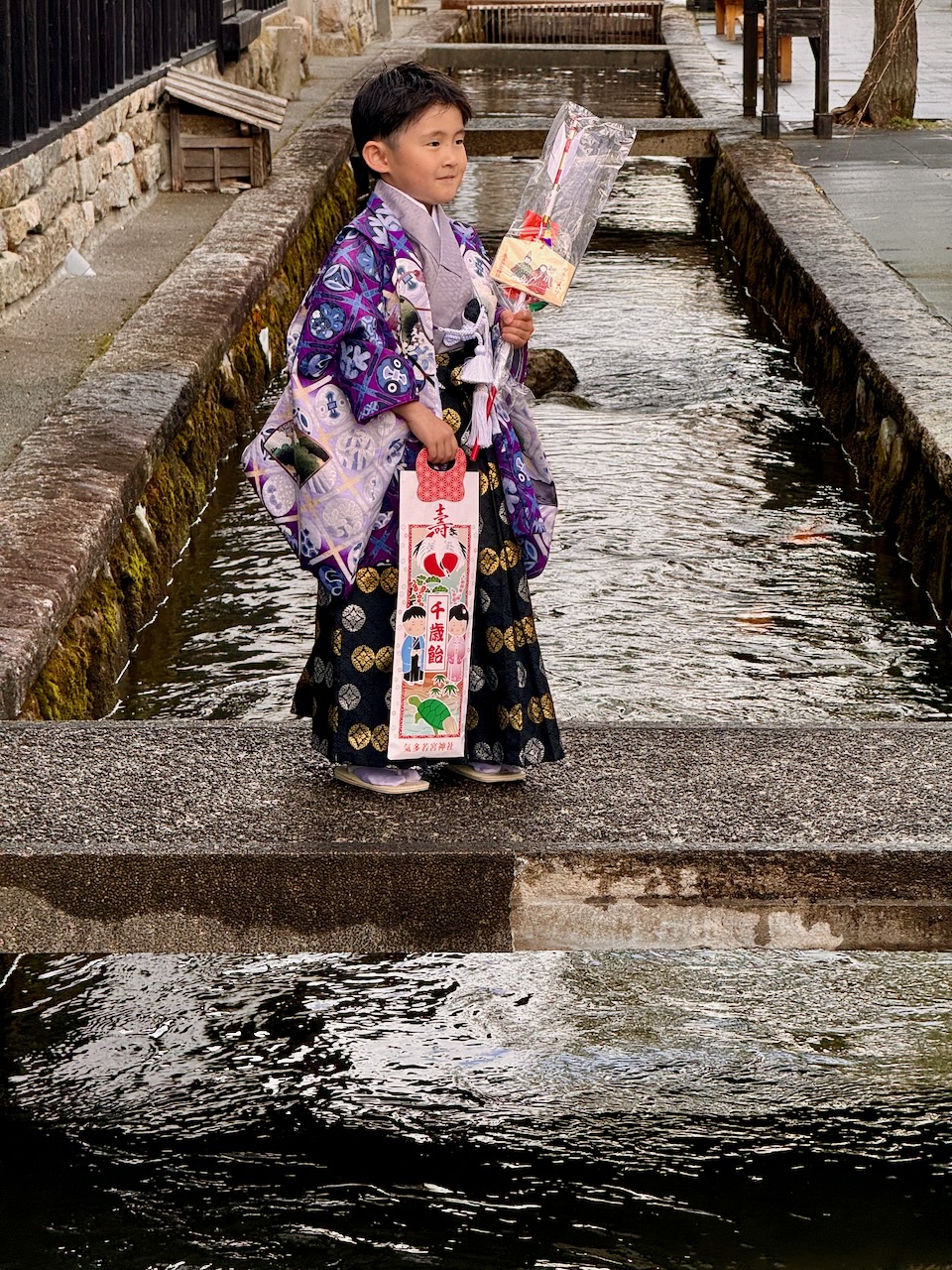
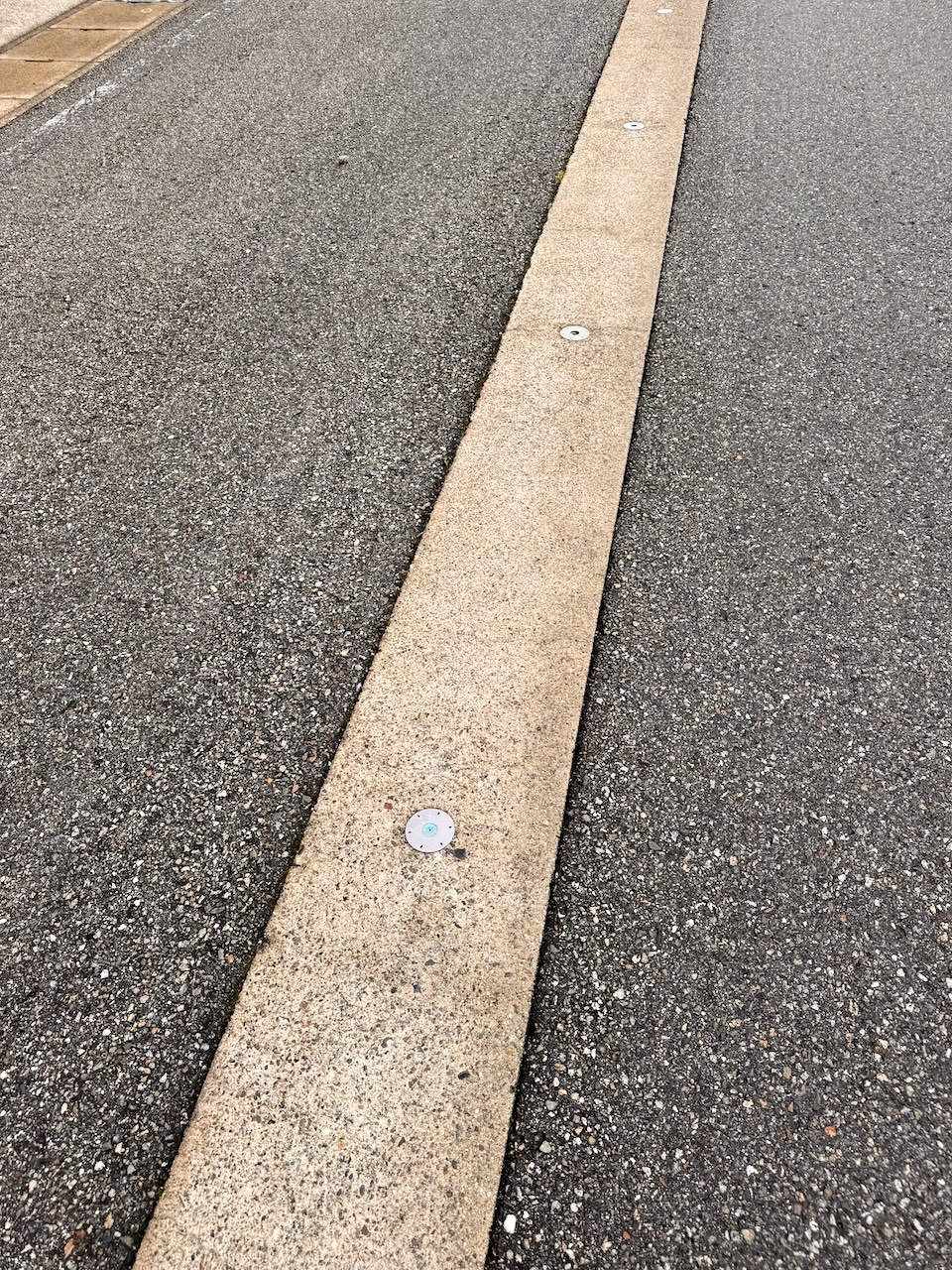
We took a train to the town of Hida for a bike ride with Satoyama Experiences. Our guide Marino was terrific, and cycling was mostly along flat country roads with regular stops for points of interest. We were outfitted in wet weather gear which was warranted when the threat of rain was inevitable. It was early morning, and the streets were quiet. Even Enkoji temple was at peace. Water channels follow the streets of Hida here, too, and are jumping with koi. The fish are removed before the water freezes and returned with the spring thaw. We noticed sprinklers installed in the middle of the street which are shosetsu (snow-melting) pipes, which eject warm groundwater onto the surface of the street to melt the snow.
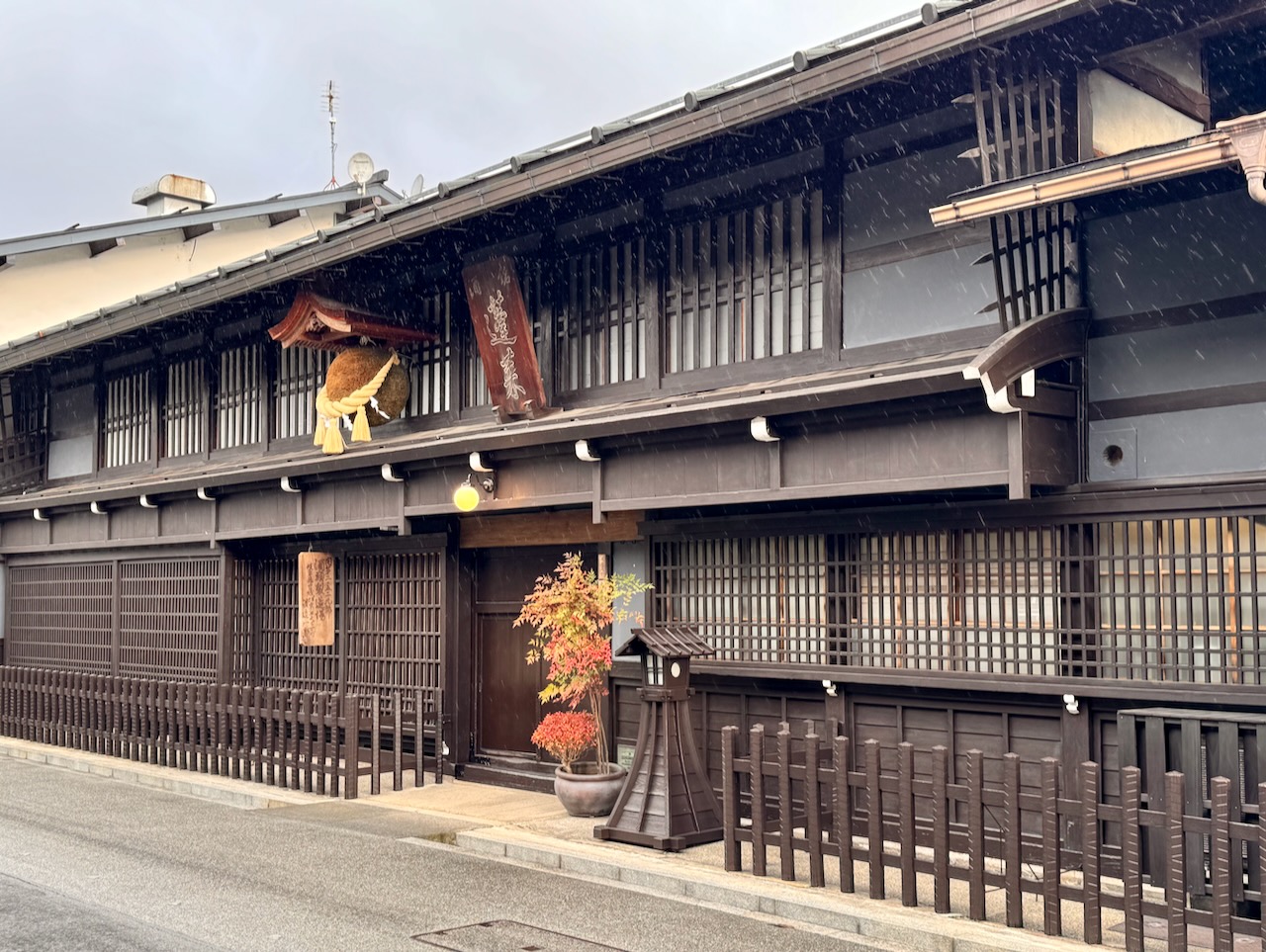
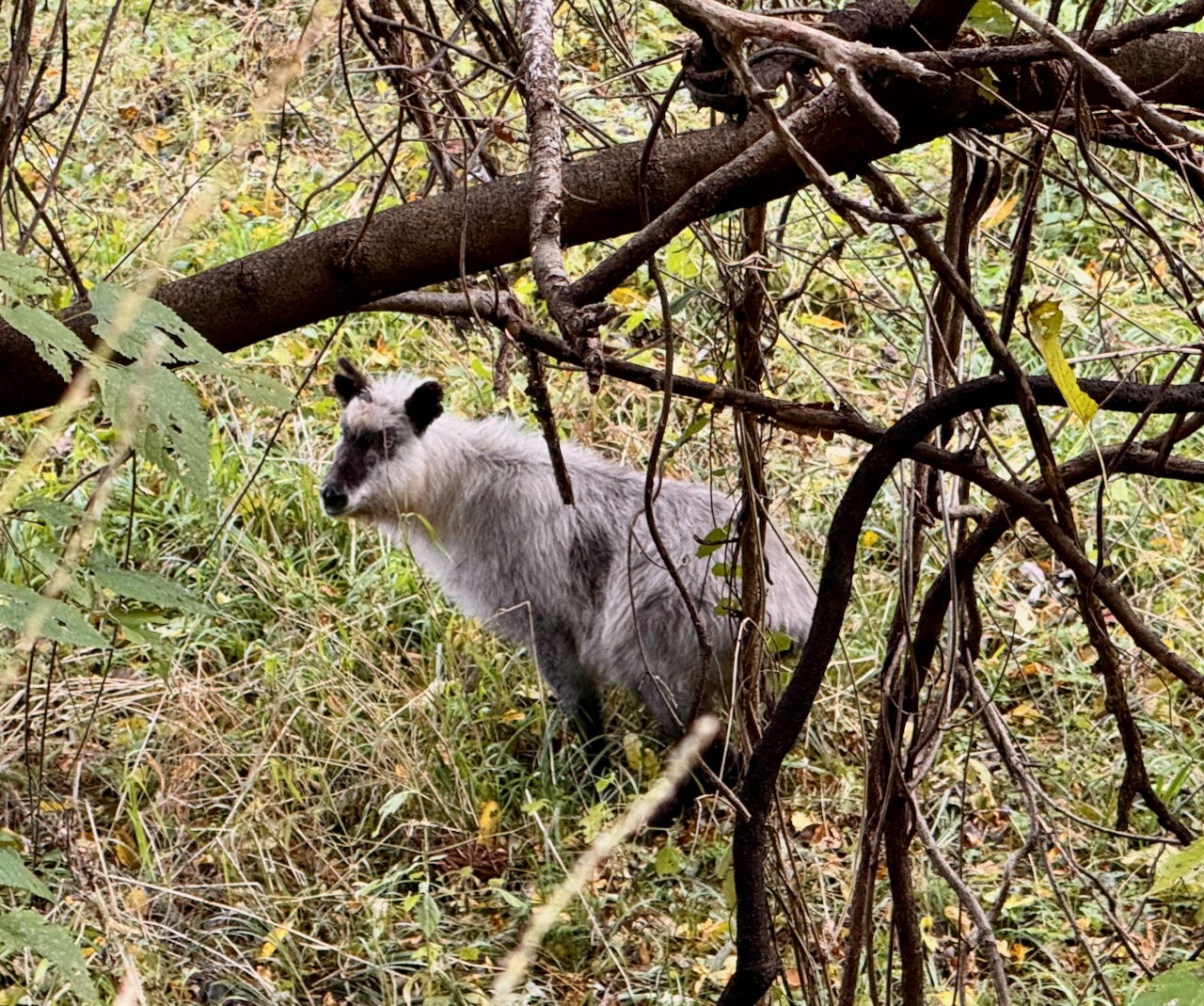
We saw a sake brewery with its Japanese cedar ball, (sugi-dama), hung above the door. As the color of it changes from green to golden it means the sake brewed here is ready for drinking. The shimenawa shinto straw rope around the ball divides the space between the sacred area and the outside world. On our ride we were lucky enough to spot a Japanese serow, a goat-antelope native of Japan. It is shy and not often seen so this was a special sighting.
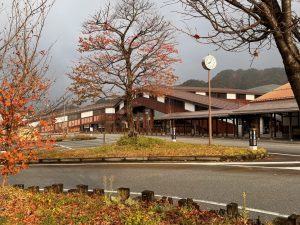
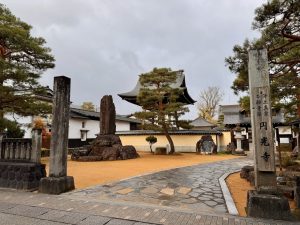
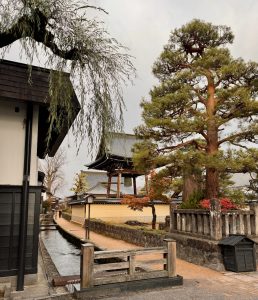
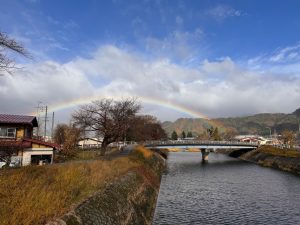
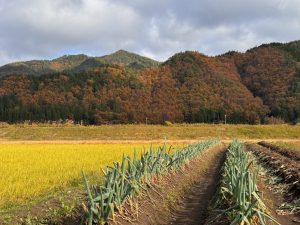
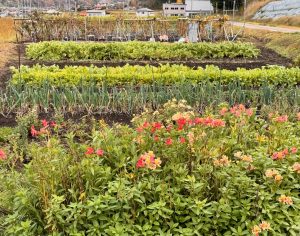
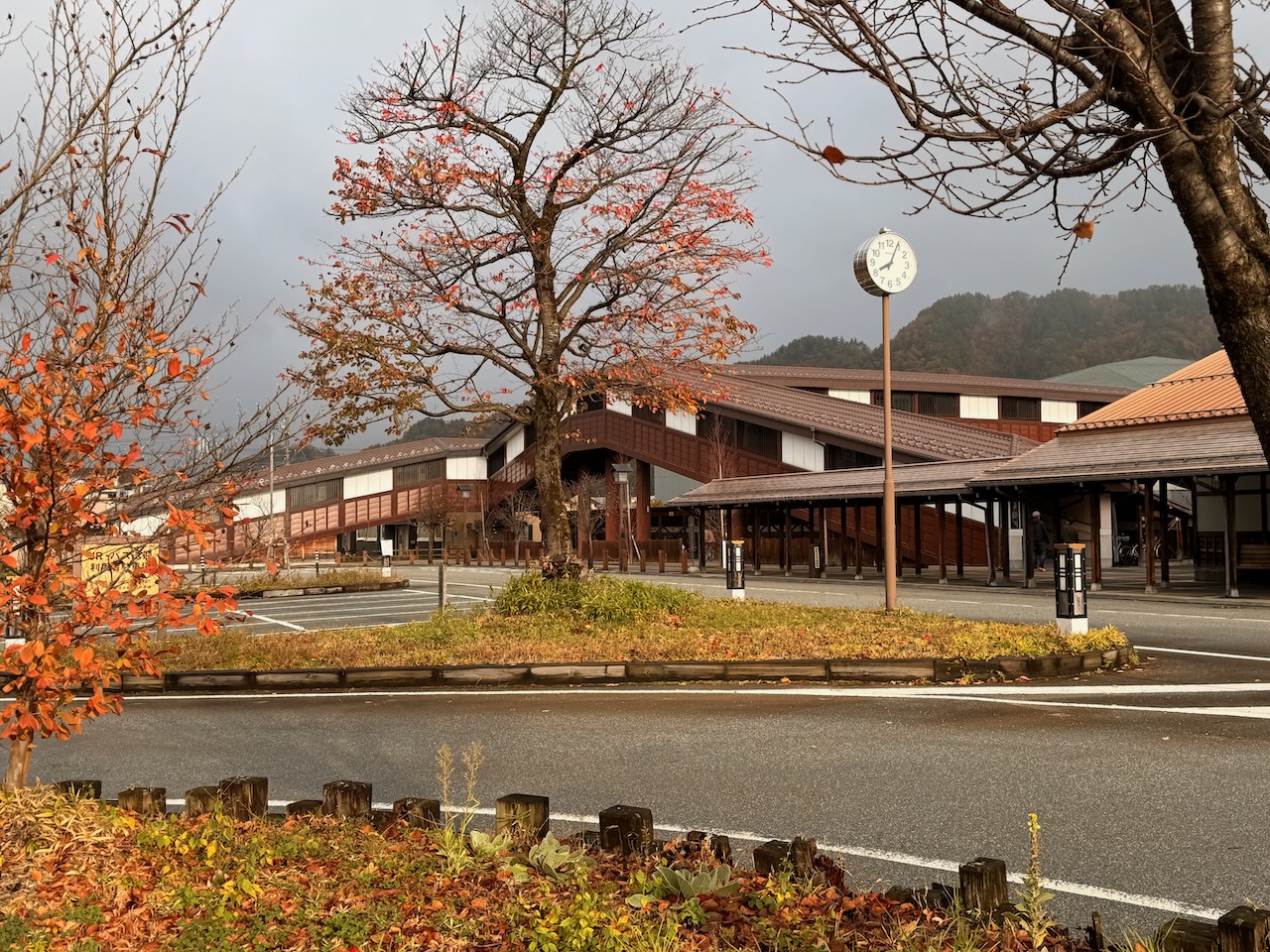
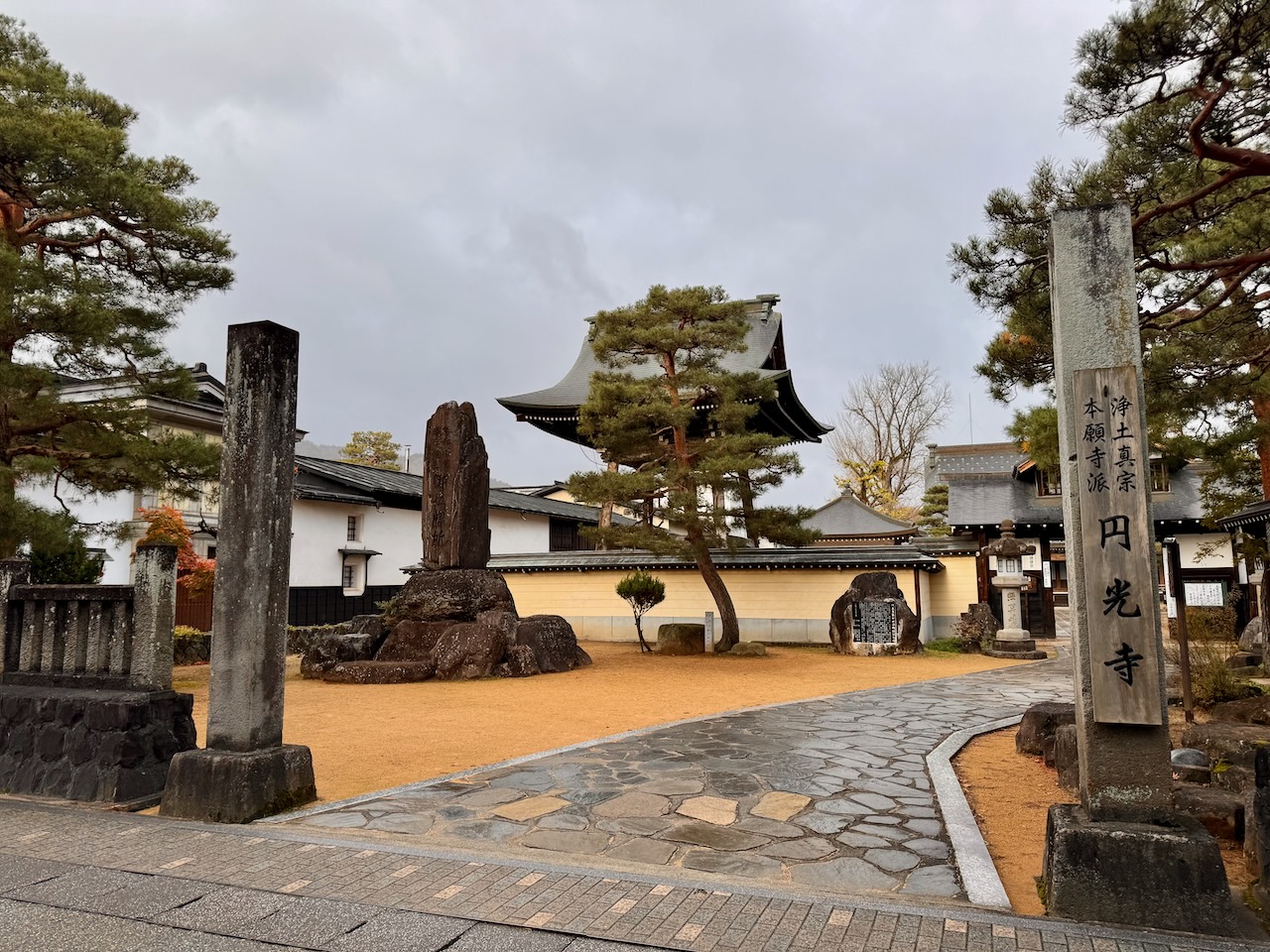
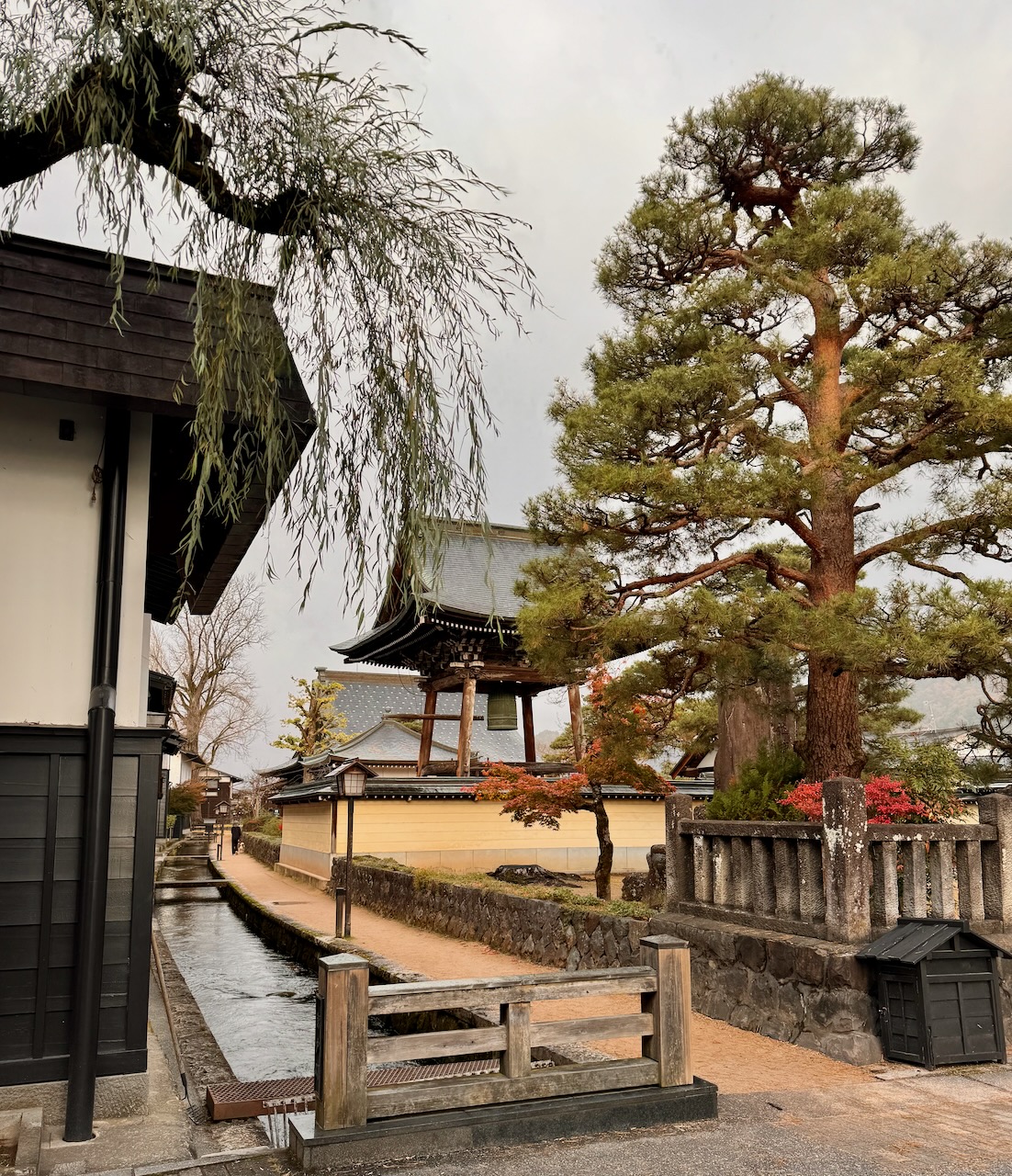
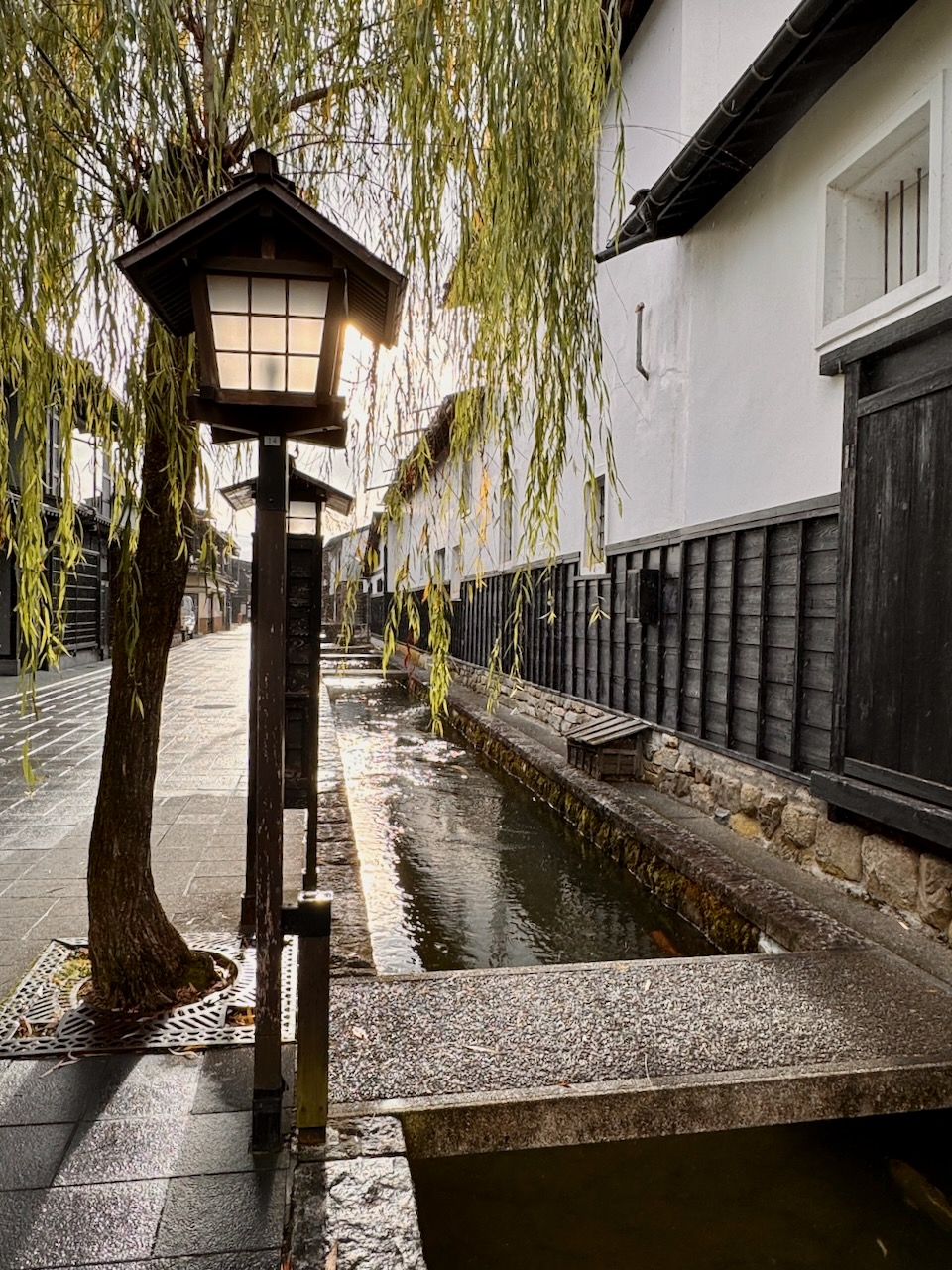
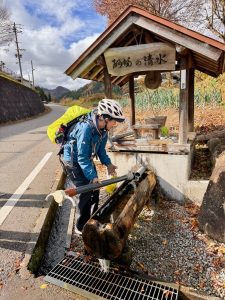
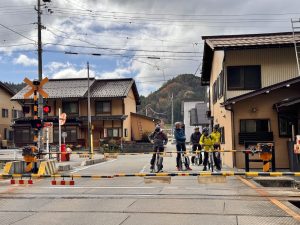
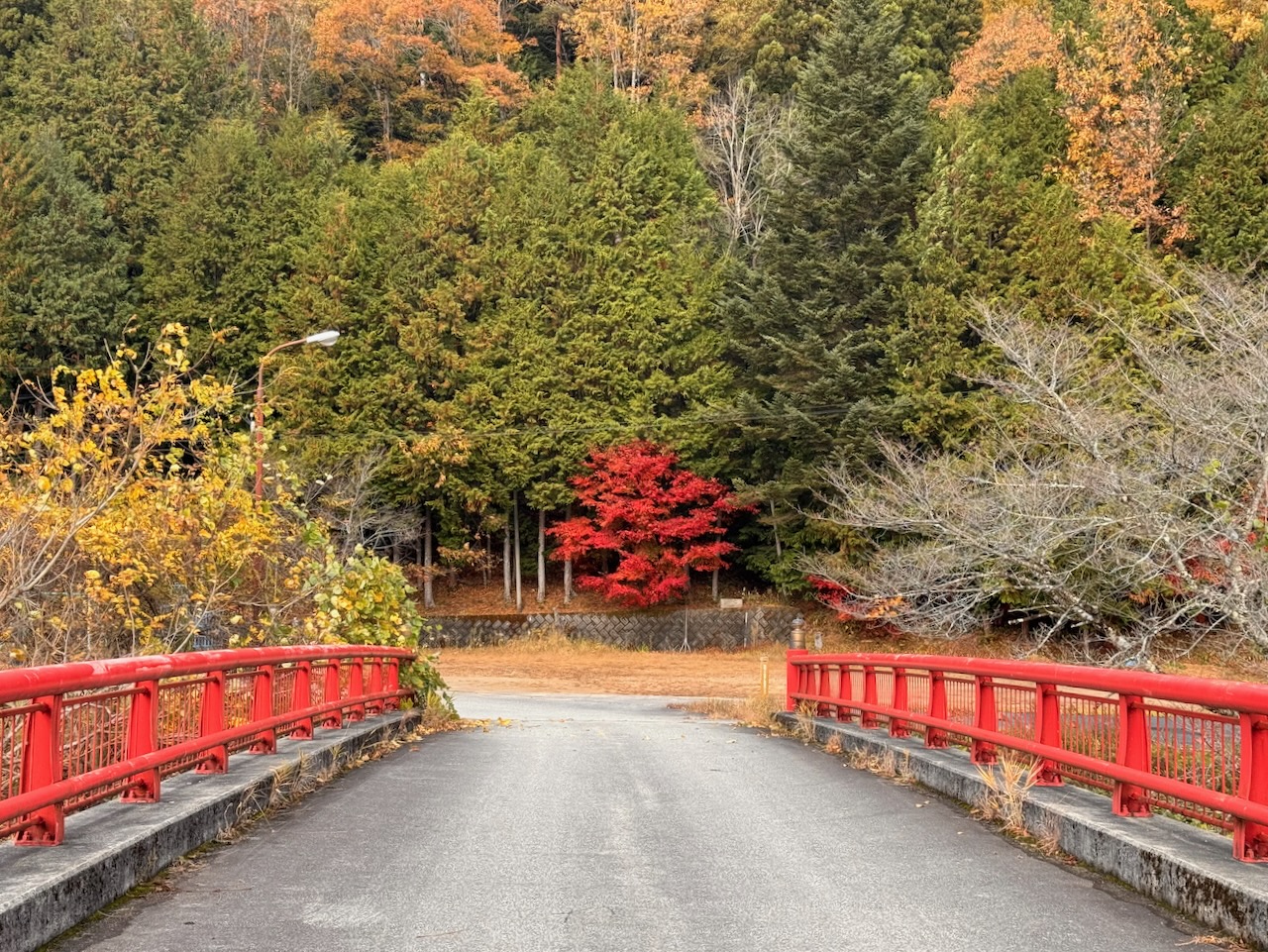
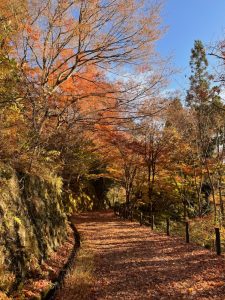
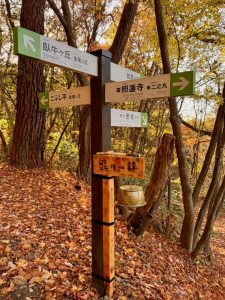
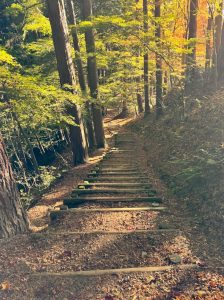
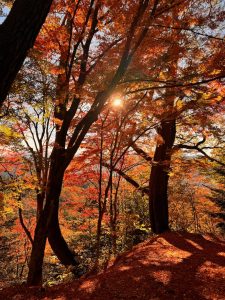
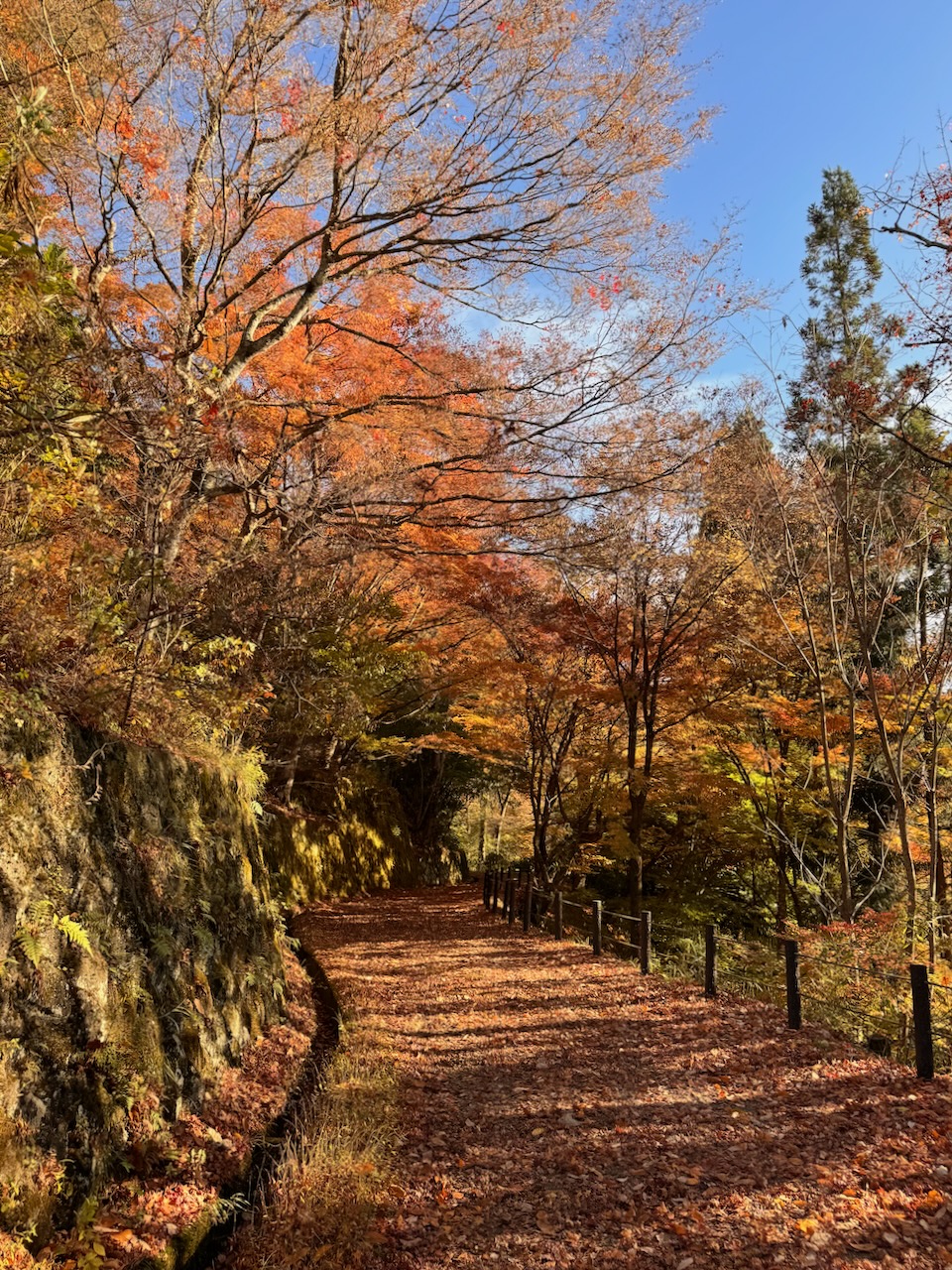
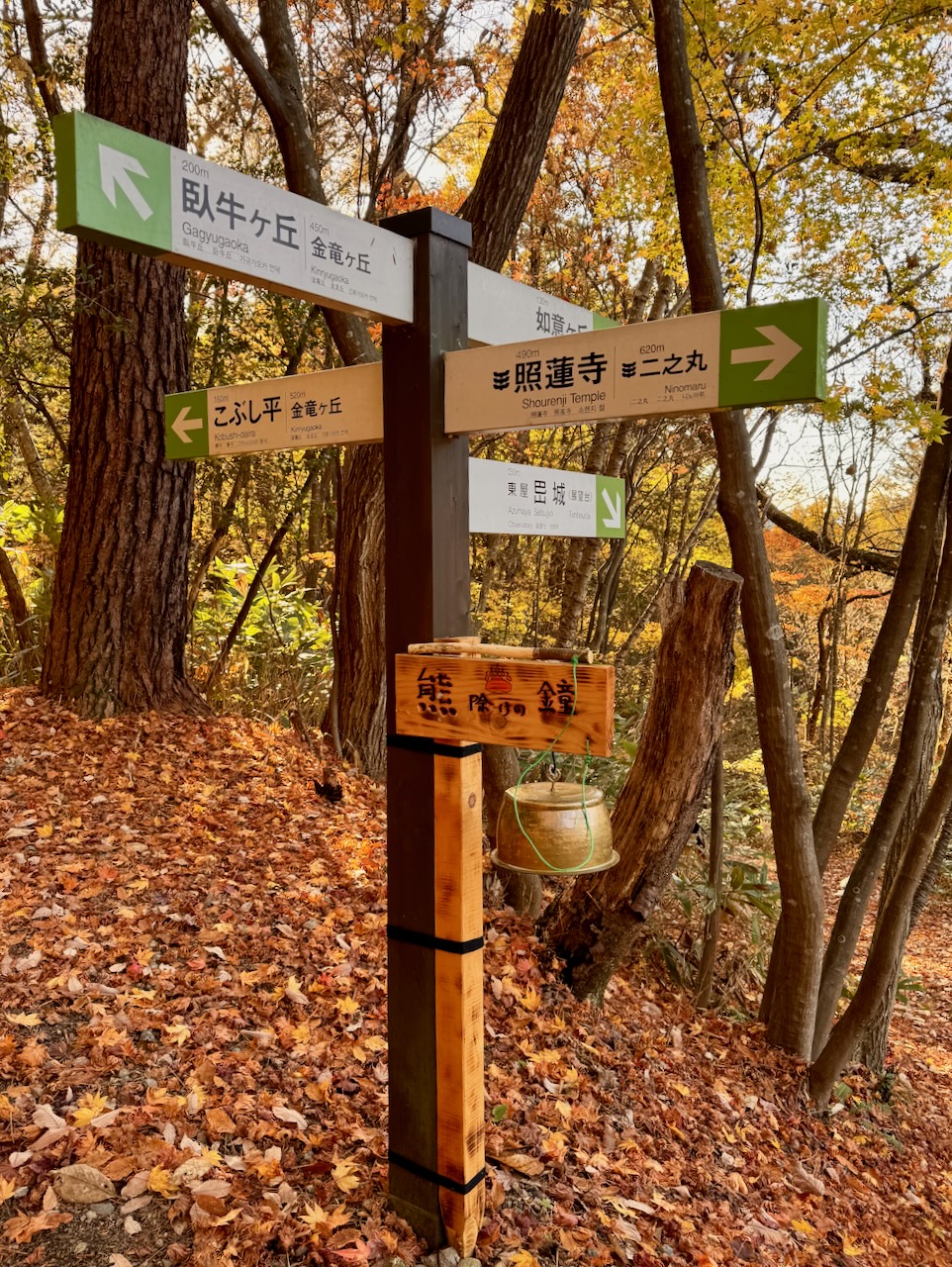
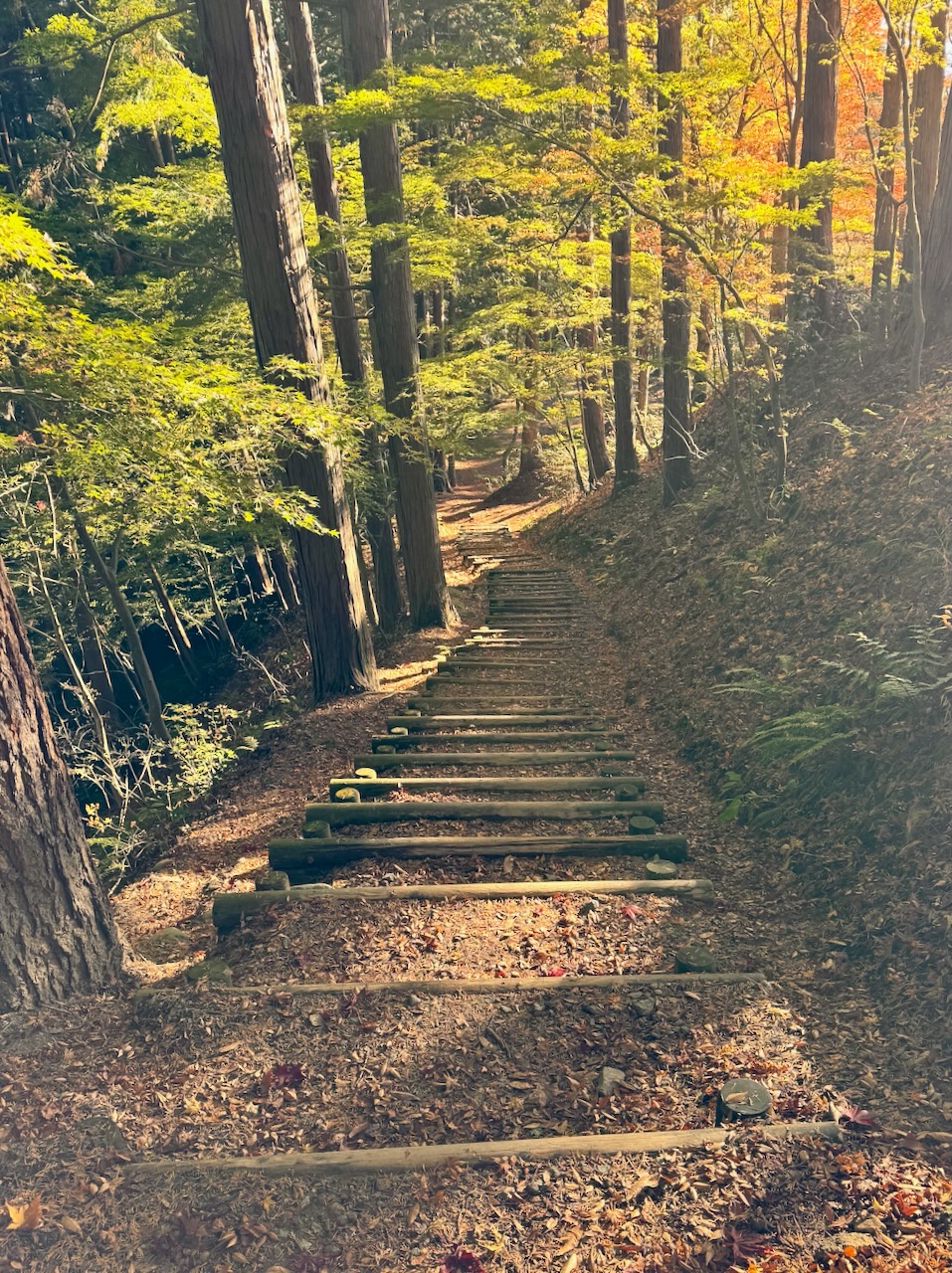
Back in Takayama the weather had improved in the afternoon, and we took a walk through Shiroyama Park to Takayama Castle, adjacent to our ryokan.
8 thoughts on “Takayama in the Alps”
Your photos are fabulous, Mary, and I’m so glad to see that you’ve finally succumbed to the Aussie conversion from ‘Fall’ to ‘Autumn’!
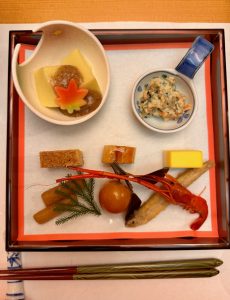
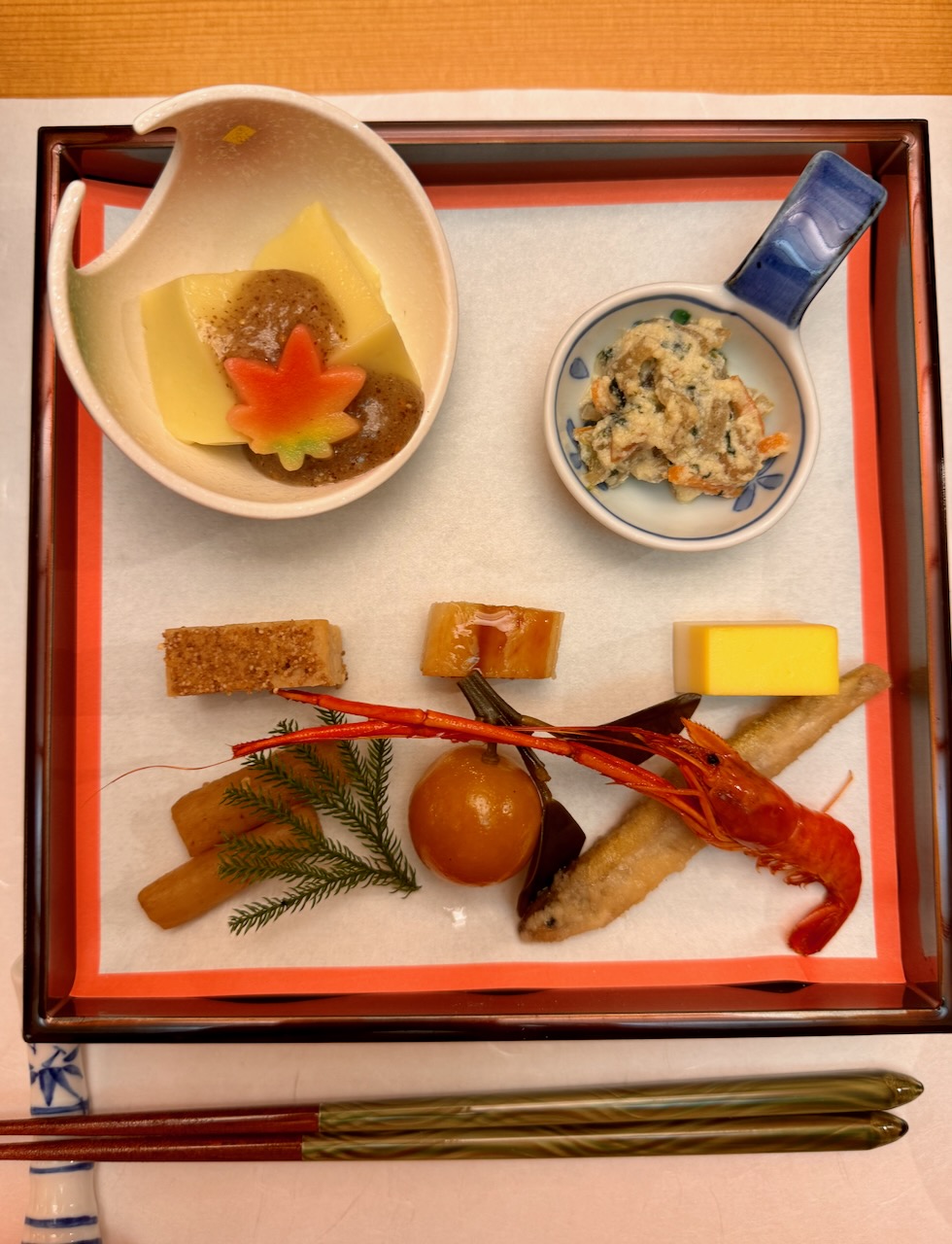
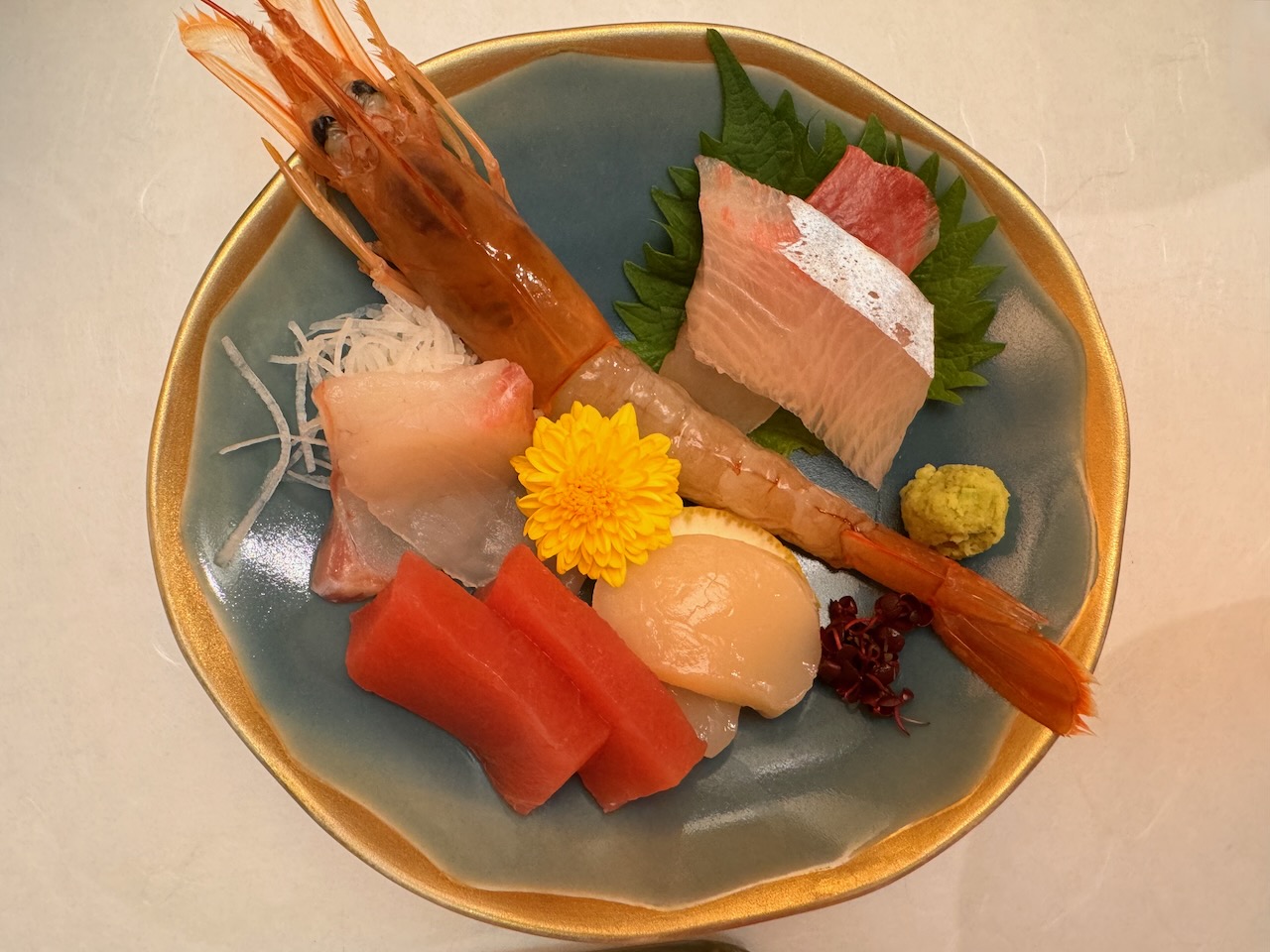
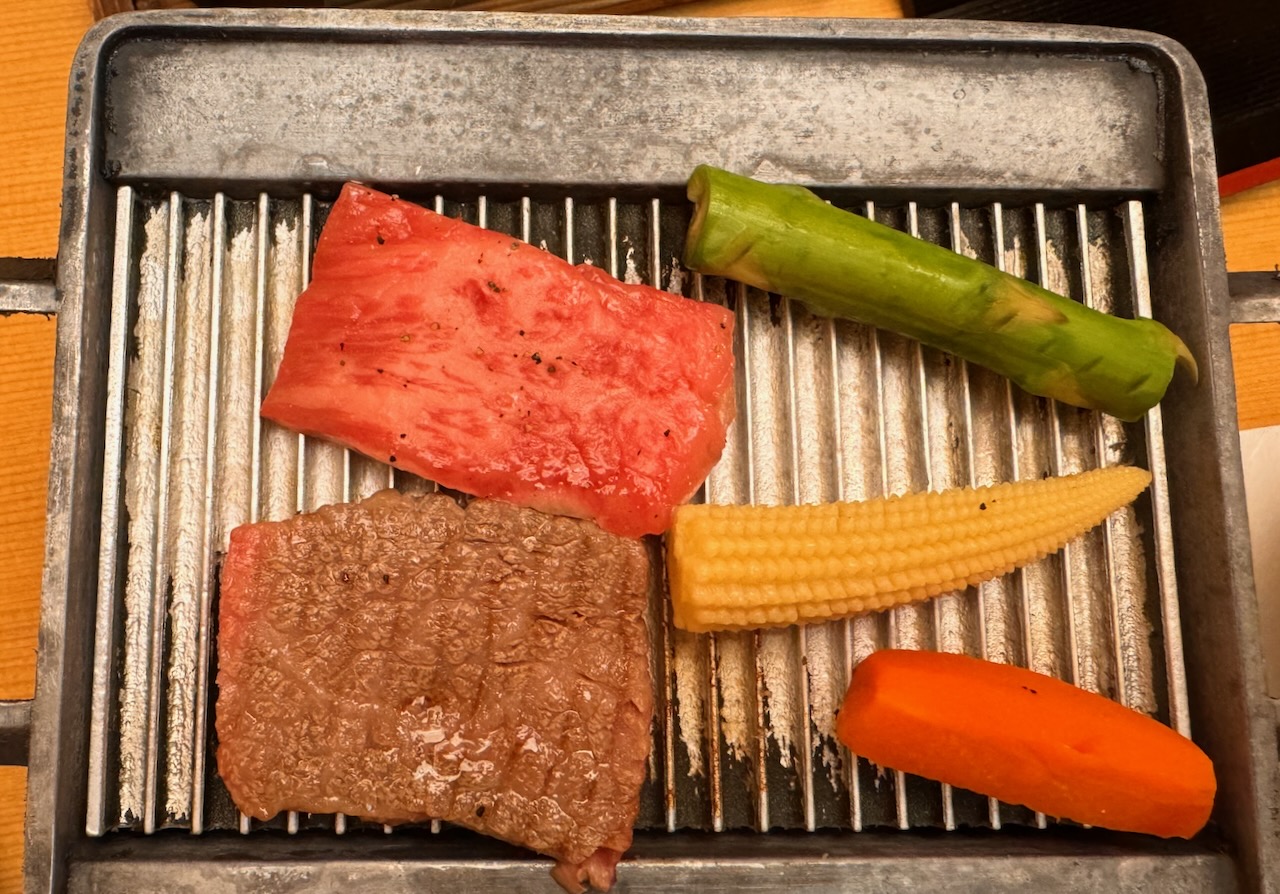
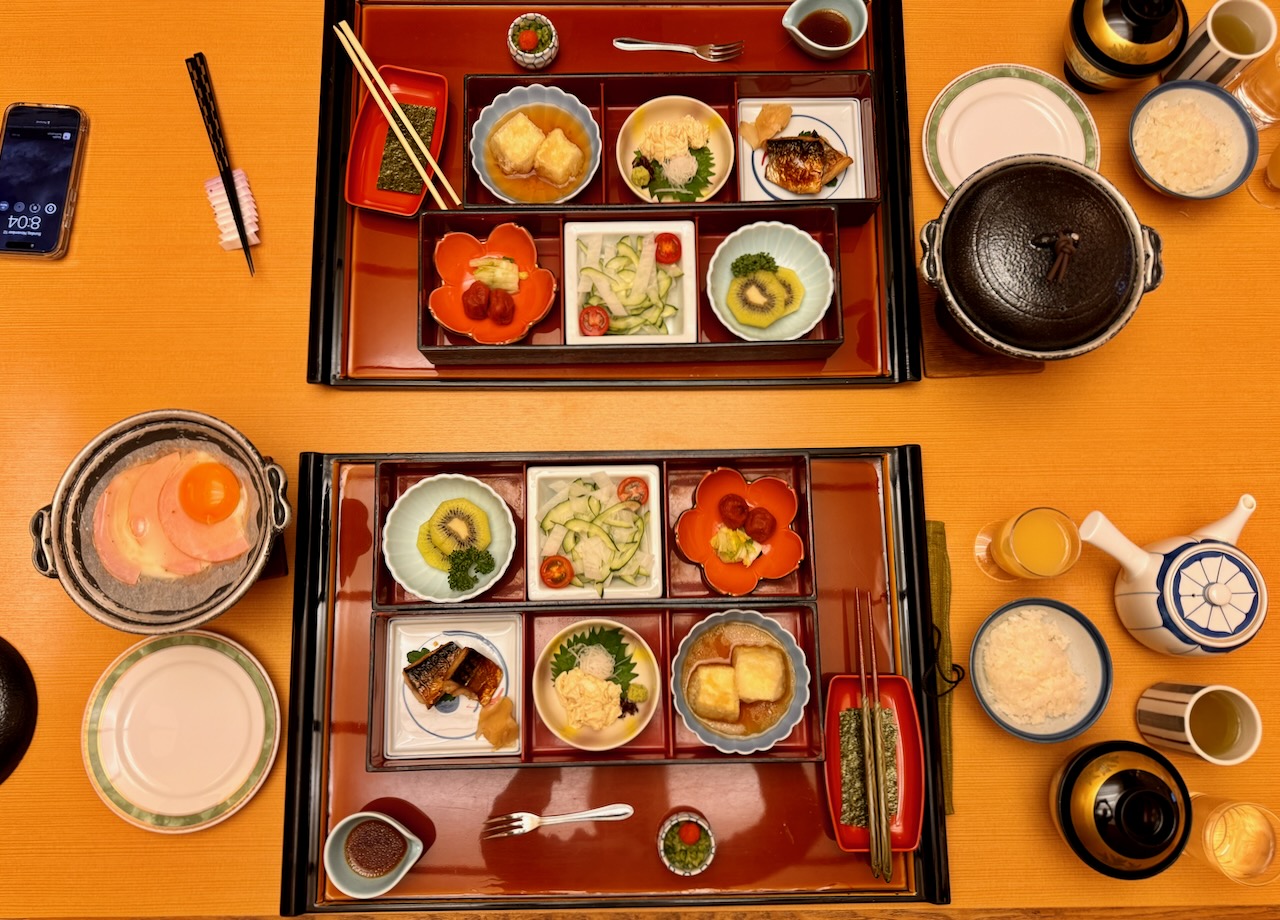
The food all looks amazing.
“Fall” means something I’m likely to become more prone to!
Ha ! Ha!
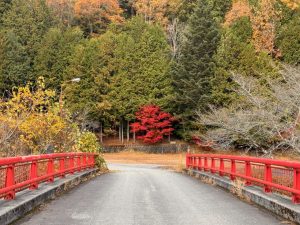
I think this is my favorite so far. Agree: Your photos are exquisite. The reds – from the autumn trees to the Naka-bashi Bridge – were spectacular. And your foodie-photos left me revenous! I learned so much in this chapter – love your input, perspectives and explanations!
Where did you ski when you lived there?
Fantastic pics as usual Mary, it all looks so clean and neat and tidy! Beautiful colours of Autumn, plus so much detail , thankyou!
Viv xx
Another wonderful entry, Mary. I almost feel like I was with you.
As usual a wonderful tour for us folks who will not make it to Japan.
The food look amazing and the attention to detail lovely…American restaurants take note. What a charming country I am sure you really enjoyed it.